Your body is somewhere around 50-60% water. That’s a lot. So, it’s probably no wonder that hydration is crucial for your overall health (and weight loss is no exception!). Read on to discover how hydration can impact your weight and other health goals.
Why Do You Need Water?
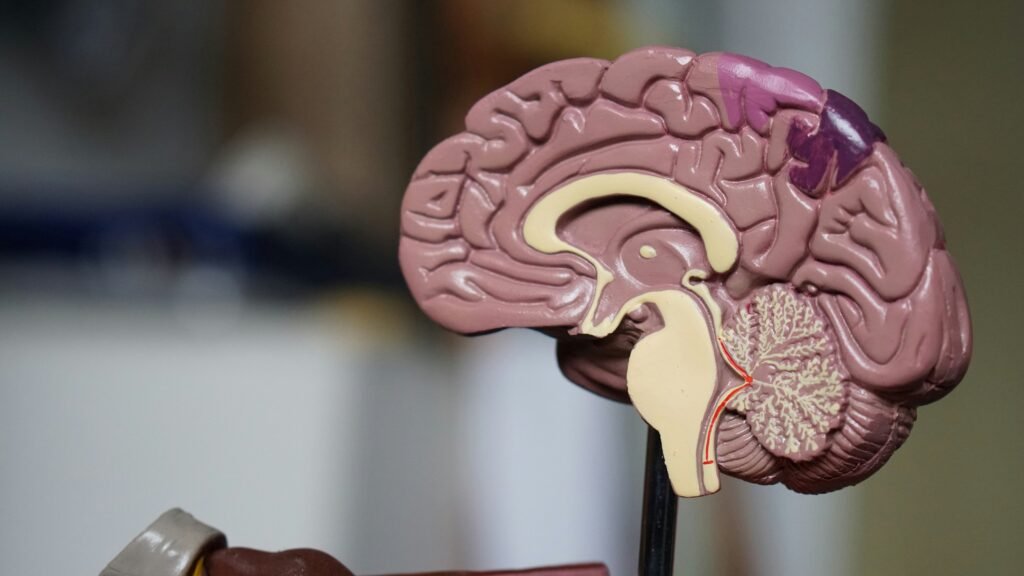
Water literally runs the show in your body. Your blood plasma is over 90% water. Water is in the fluids that lubricate your joints and eyes. Your digestive system needs water to function. The brain is around 80% water, and the skin is about 60%. The liver needs water to be able to detoxify and eliminate waste. Those are just a small number of roles water plays in your body.
So, water matters. You need to be well-hydrated to make every vital process in your body run smoothly. You’ve probably been dehydrated at least once in your life, so you know what happens when you don’t have adequate hydration: headaches, fatigue, dry mouth, poor concentration, and the list goes on.
How Much Water Do You Need?
The simple answer is this: drink when you’re thirsty, because fluid requirements are highly individual. Your body has an excellent mechanism to regulate your overall hydration status by sending thirst signals. However, some people can be pretty skilled at overriding those signals. So, it might help you to have a goal in mind.
If water is so essential, you may be surprised to learn that we don’t have great evidence to support the standard recommendation to have a fluid intake of at least two liters per day. But it’s kind of the best we’ve got. You may not need this much, or you may need more (for example, if you’re very active or you live in a hot climate).
One of the best ways to gauge your water intake is by checking the colour of your urine. A pale straw colour is a sign of good hydration, whereas darker urine indicates that you’re probably not hydrating well enough.
What Counts As Water?

The water you drink counts, of course. But so do other beverages, and so does the food that you eat. Your body extracts water from all the foods you eat – more from some foods like fruits and vegetables and less from fattier foods. So if you aim to have a water intake of around two liters per day, that means total water, not just from the actual water you drink.
Beverages that contain caffeine are another myth around what counts as water intake. Outdated guidance around water intake said that beverages like coffee and tea don’t count towards your overall hydration because they dehydrate the body. However, the evidence doesn’t support this. Good news if you’re a coffee or tea drinker – they both count towards your water intake!
Alcohol, however, is a different story. Alcohol acts as a diuretic, drawing water out of cells and into your urine for excretion. So, unlike coffee and tea, alcohol doesn’t count toward your hydration.
How Does Hydration Impact Your Weight?
Data tells us that hydration and weight are related. One study looked at retrospective data from almost 10,000 adults and found that inadequately-hydrated people had higher BMIs and were 60% more likely to be obese than well-hydrated people.
There are a lot of sexy explanations out there about how hydration impacts your weight. Things like it increases your metabolism, it’s an appetite suppressant, and it burns extra fat. While there’s a shred of truth to all of those claims, it’s really more straightforward than that: water is necessary for everything in your body to function optimally. And how do you expect to lose weight if your body can’t perform its basic functions?
The evidence on whether or not water increases your ability to burn calories is conflicting, and no high-quality studies in humans support this. Drinking water above your needs is unlikely to have a noticeable benefit on your metabolism. But, being dehydrated is likely to slow down your metabolism. Why? Because your metabolism runs on water, it only makes sense that all your metabolic processes will slow down if there just isn’t enough water to go around.
When it comes to fat burning, or lipolysis, there is evidence from animal studies that increased hydration increases the amount of fat the body burns. However, we don’t know how this association translates to humans. We also don’t know what “increased hydration” actually means – meeting requirements? Above requirements? How much above the requirements? Numerous unanswered questions remain.
As an appetite suppressant, it’s true that drinking water or other fluids fills up your stomach and give your body the illusion that it is full. However, this is a short-lived phenomenon because water quickly passes out of your stomach. The only real appetite suppressant is food. If you’re feeling hungry, we recommend a healthy snack or meal rather than chugging a large glass of water.
The Indirect Impact of Hydration On Weight

Other ways hydration may be related to your weight is through its effect on other vital factors that affect weight, such as sleep and stress. One thing your body needs to do well to have a good night’s sleep is to regulate your body temperature. Your body decreases your core body temperature in preparation for deep sleep. Regulation of body temperature and hydration are closely related, so dehydration can prevent your body from being able to do what it needs to do to support restful sleep.
On the other hand, overhydration, especially close to bedtime, can lead to frequent trips to the bathroom and disrupted sleep. So, it’s all about finding the balance between drinking enough, but not too much, to support high-quality sleep.
Dehydration is also related to increased stress. Research from the sports nutrition world tells us that dehydration paired with exercise leads to increased cortisol levels, ramping up your body’s overall stress response. Likely, prolonged mild dehydration (which some people may not notice, as they may be used to it) is related to increased cortisol levels, even in the absence of exercise.
Drinking More Water (Instead of Other Beverages) Can Help You Lose Weight

When we look at beverage choice, choosing more water for hydration over other beverages like fruit juice or other sweetened beverages can impact your weight by decreasing your overall calorie intake. In one study, substituting servings of sugar-sweetened beverages and fruit juice with water led to lower levels of long-term weight gain.
If you’re bored of plain water, you can always make it more interesting by adding sliced citrus fruits and fresh herbs to add extra flavour.
Takeaway
You don’t need to go overboard with the water intake, as there likely aren’t health benefits of hydrating well above your needs. But dehydration will negatively impact your health. So, you do need to ensure that you’re well-hydrated, especially if you have any weight loss or other health-related goals. Choose water as your beverage of choice most often, but know that all other beverages and foods you eat contribute some water to your overall intake.