
There’s a lot of talk about organic foods, especially when it comes to health. But how much do we know about the potential health benefits of organic foods? Is it the organic part that makes a difference, or could there be something else behind the health benefits? Are organic foods really more nutritious than their non-organic counterparts? And what about pesticide residues? Let’s dive into what the research says and find out.
What Is Organic?
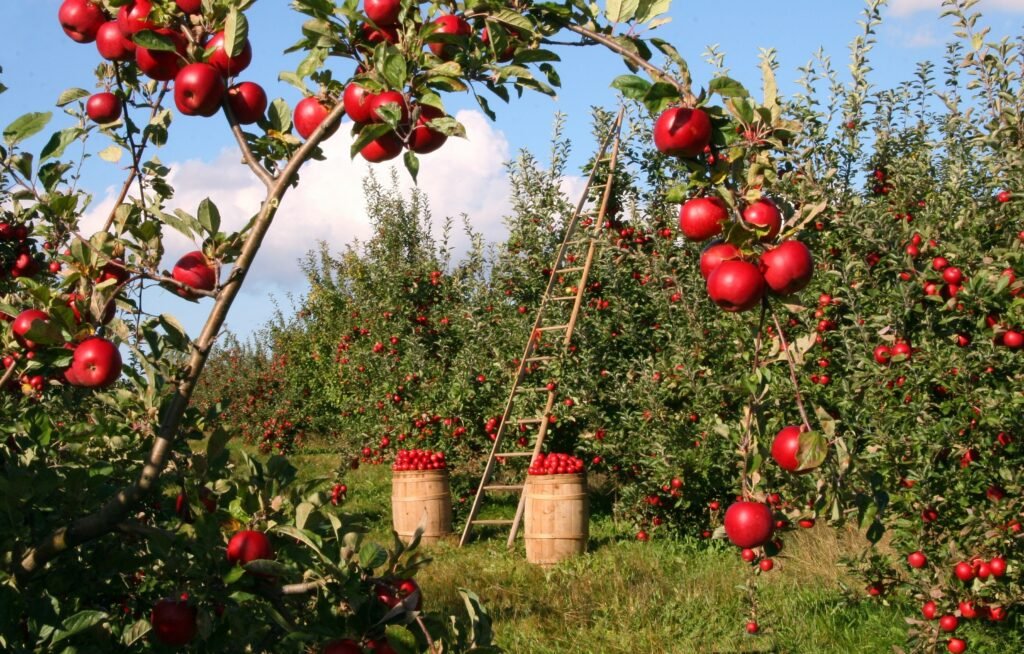
Organic is a regulated term that refers to food production and farming methods. Organic foods are produced without synthetic pesticides, fertilizers or other artificial chemicals. We often think of organic as referring to fruits and vegetables, but organic production certifications also apply to grains, legumes and animal products.
On packaged products, organic certifications mean that products do not contain any genetically-modified ingredients or artificial colours, flavours, sweeteners or preservatives.
Does Organic Mean Pesticide-Free?
This is a common misconception, but certain pesticides are permitted in organic farming. These include natural pesticides such as neem oil and synthetic pesticides such as copper sulphate.
Generally, the products used in organic farming are thought to be less detrimental to the environment than the products used in conventional farming. However, natural doesn’t necessarily mean non-toxic, and several organic pesticides have human and environmental health implications.
Is There More Nutrition in Organic Foods?
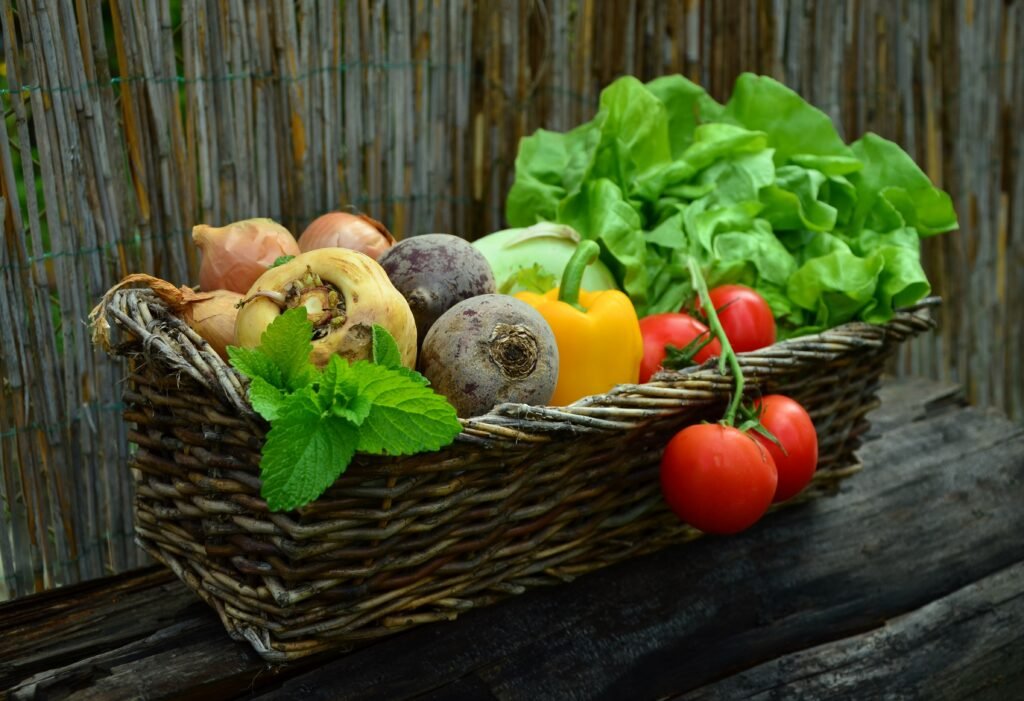
From the research we have so far, it doesn’t look like it. A review paper examining 162 studies showed no difference in nutrient quality between conventionally- and organically-produced food.
For animal products, some evidence suggests that organically-produced animals that consume grazing or foraging diets have more favourable fatty acid profiles than conventionally-raised animals. These differences include higher levels of omega-3 fatty acids in organic meat. Higher intake of omega-3s may be associated with health benefits. However, we need more high-quality research to be sure of this association.
Are There Health Benefits of Consuming More Organic Foods?

We don’t really know yet, but a critical evaluation of the research we have so far suggests probably not.
In a landmark study of almost 70,000 people in France, researchers showed that higher organic food consumption was associated with decreased cancer risk. While this sounds like a very impressive finding, there’s more to the story.
The participants in this study who consumed more organic foods were also more likely to eat more fruits and vegetables (regardless of organic versus conventional production), be more physically active and have higher socioeconomic status. So, it’s impossible to tease out whether it was specifically the consumption of organic foods, or a different variable, driving the relationship with cancer.
Another recent meta-analysis concluded that organic food consumption was related to a decreased risk of obesity. Again, this sounds impressive, but it’s crucial to unpack the findings.
The populations in this study had high socioeconomic status and very low (only 1.5%!) prevalence of obesity. If you compare that to an estimated obesity prevalence of over 60% in the US, it’s fairly easy to see this isn’t your typical population.
Other studies have not demonstrated a relationship between organic food consumption and health outcomes. In a recent systematic review, researchers state that current evidence doesn’t show a definitive benefit of consuming organic foods.
Should You Be Worried About Pesticide Residue on Fruits and Vegetables?

Pesticides are designed to kill pests; however, they can also pose risks to people. For example, regular pesticide exposure through farming or living very close to areas with frequent pesticide use is probably detrimental to overall health. We see this in studies looking at fertility of people with high occupational pesticide exposure.
Pesticide residue on fruits and vegetables has garnered much attention, but it’s a very different level of exposure.
So, a more helpful question for most consumers is: By the time I eat my fruits and vegetables, are there clinically relevant amounts of pesticides on my food? In other words, can the actual levels of pesticides that I might consume from fruits and vegetables harm me?
The answer is: Probably not. Why? Because the actual exposure is very low.
Here’s an example: Strawberries are often cited as a high-pesticide residue food. While it’s true that strawberries contain some pesticide residue, researchers developed a calculator tool to tell you how much of a certain fruit or vegetable you would need to eat to reach a level of pesticide exposure that would be considered harmful.
That number for strawberries: 453. Per day.
This is the piece that’s missing from most discussions around pesticide residues. It should be reassuring to see a number as big as 453, as you won’t even come close to that number.
The bottom line: Wash your fruits and vegetables under running water before you eat them. As far as we know now, that’s the best way to minimize your exposure.
Are There Other Reasons to Buy Organic?

Yes, there could be. Perhaps you care about how farm workers are treated, and the conditions that animals are raised in, or you are concerned that pesticide overuse harms the environment and the water supply.
All of these are valid reasons to choose organic products. However, it’s essential to keep in mind that organic doesn’t automatically mean that people or animals are treated with respect and dignity. Do your research on the companies you purchase foods and products from to determine if they align with your values.
Takeaway
If we boil it down to nutrition and health benefits, there doesn’t seem to be a huge benefit to choosing organic. However, organic farming has a lower overall environmental impact and may be more likely to treat animals and farm workers with respect and dignity.
If buying some organic products is within your means, and it feels important to you, then by all means, purchase organic. But if not, rest assured that you can still eat a healthy, balanced diet with conventionally-farmed food products.