
Most of us think of the gut as our digestive system. While this is true, the gut (in particular, the health of the gut) has far-reaching effects on your overall health. How the gut impacts your health is through the microbiome.
There’s a lot to unpack around the gut microbiome, especially as it’s a rapidly growing area of research. Read on to learn what we currently know about the potential connection between the microbiome and your weight.
What Is the Gut Microbiome?
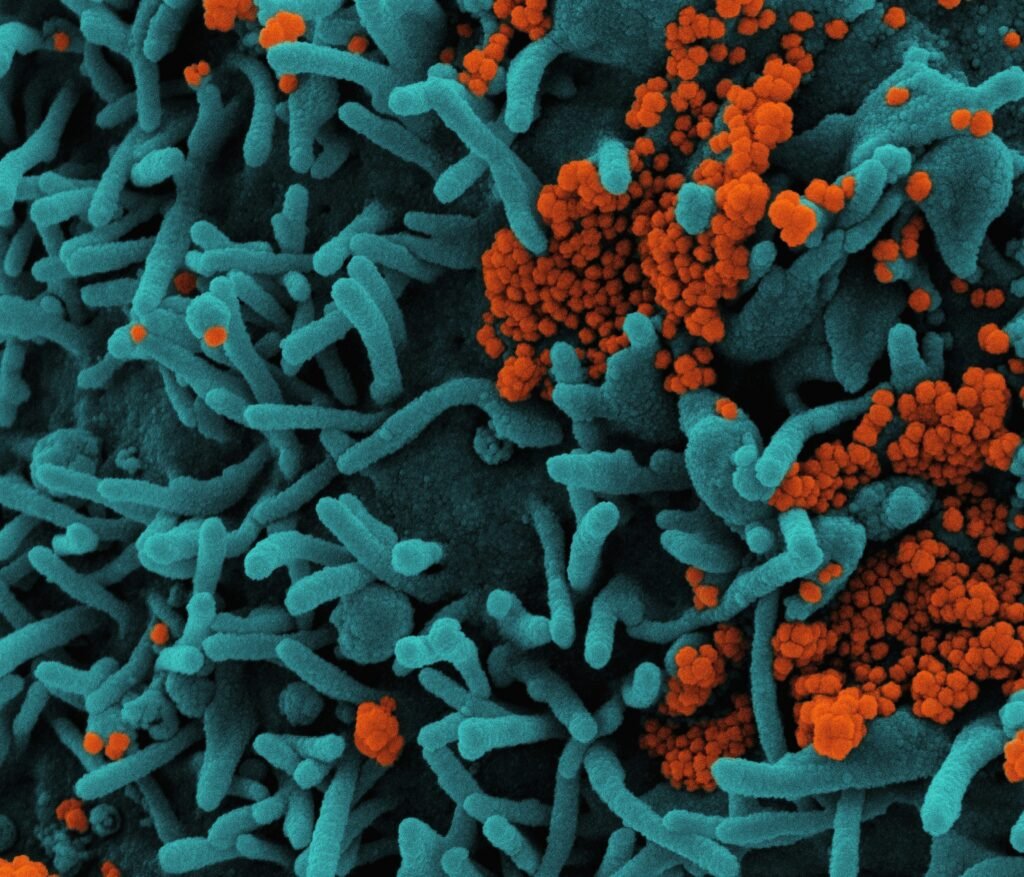
The gut is a complex organ responsible for much more than digestion. Trillions of microbes are living and thriving in your digestive tract… right now! While it’s true that some of these bacteria and other microorganisms can cause disease, most of them are working towards keeping you healthy.
Many, many things go into developing your unique microbiome. Some aspects of your microbiome are out of your control, such as genetics, age, whether you had a vaginal or cesarean birth and history of medication use (for example, frequent antibiotic use as a child). But, the microbiome is dynamic, meaning that it’s constantly adapting and evolving. Your environment and your diet also impact your microbiome throughout your life.
So, that means you have an opportunity to work on your microbiome health at any time.
Are There Differences in Microbiome Composition Between People at Different Weights?
One of the fascinating findings of microbiome studies is that, generally, individuals with less diversity in their microbiome are more likely to be overweight or obese. Less diversity means fewer different types of bacteria living in the gut.
In 2009, researchers looked at the microbiome profiles of 77 pairs of twins. In each pair, one twin had obesity, and the other did not. The results showed marked differences in the microbiome between obese and non-obese twins, including an overall decreased diversity in obese twins.
Another interesting finding is that weight loss is associated with increased gut microbiome diversity. In other words, if you have more diversity, you’re more likely to be successful with weight loss.
In one study, researchers set out to determine how the microbiome influenced a person’s ability to lose weight. Their study included 105 people who underwent a healthy lifestyle weight loss intervention. Throughout the intervention period, they followed how the microbiome changed and adapted from the beginning to the end of the study. Comparing people who lost weight from the intervention against those that didn’t lose weight, researchers showed that the microbiome could predict weight loss success.
The research shows significant differences in the microbiome composition between people of different weights, but the question now is: is there anything you can do about it?
How Could the Microbiome Influence Weight?

Before we delve into how we can alter the microbiome, let’s explore how this relationship might actually work. The exact pathway between the microbiome and obesity isn’t clear yet, but researchers have several hypotheses. Here are a few pathways that might be involved:
- The composition of your microbiome could influence how you digest food. It could also influence carbohydrate and fat metabolism, influencing how much and where you store fat.
- Your microbiome impacts inflammation. If you have high levels of certain less-desirable species of bacteria, your body might produce high levels of inflammatory compounds.
- Gut-based hormones that are involved in appetite and satiety, such as leptin, ghrelin and peptide YY, can be affected by your microbiome.
The real answer is that we don’t know yet, but more and more data is being compiled to help us better understand what’s going on.
What Does This Mean for Weight Loss?
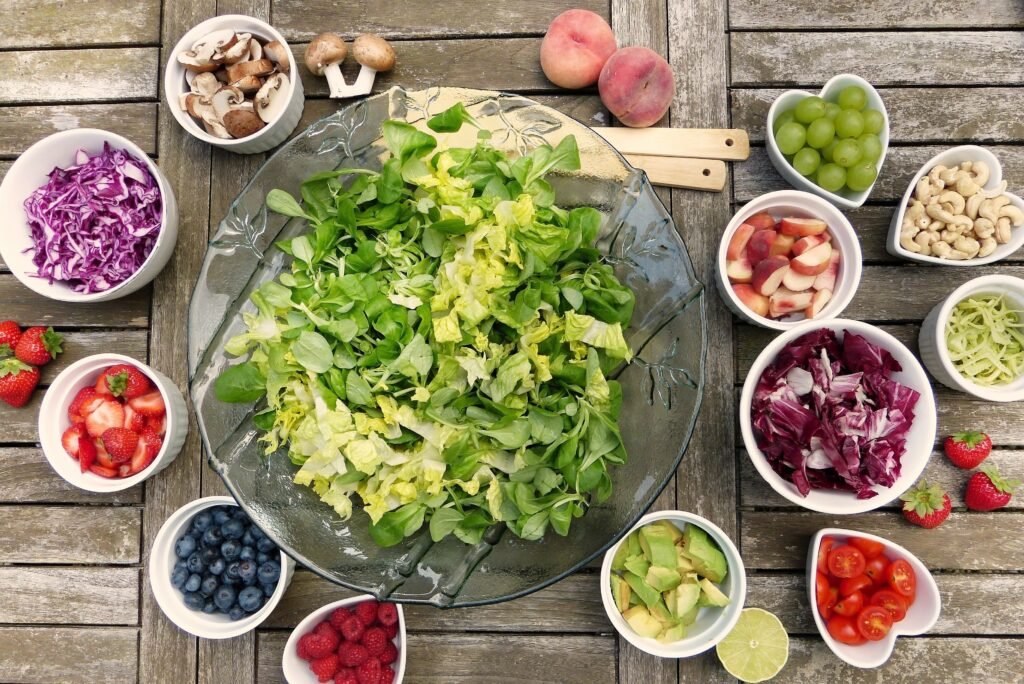
It means that weight loss might be more successful if you think about your microbiome health and weight loss goals. A more diverse, healthier microbiome will likely impact your ability to lose weight.
Let’s look at two scenarios:
- Person A wants to lose weight. They have decided to follow a restrictive weight loss diet that only allows them to consume a small number of permitted foods, in small quantities.
- Person B also wants to lose weight. They’ve decided to pay attention to their portion sizes and limit refined grains and other foods high in sugars, but they’re also purposefully increasing the variety in their diet by consuming more fruits and vegetables, fiber and fermented foods.
Let’s assume that both Person A and Person B started with low microbiome diversity. Who do you think will enhance their diversity as they work towards their weight loss goals?
Exactly – person B.
So, where to start?
- Variety: All the foods we eat contribute differently to our microbiome, so we need dietary diversity for microbiome diversity. The more variety of healthy foods, the better!
- Fermented foods: Fermented foods, such as sauerkraut, natto, kimchi and plain yogurt, contain natural probiotics. You don’t have to consume large amounts of fermented foods, but a little bit each day can go a long way to increasing diversity and decreasing inflammation in the gut. Alternatively, you could take a probiotic supplement to help boost your diversity.
- Fiber: Fiber acts as a prebiotic, or a food source, for your gut bacteria. Increase your intake of legumes, vegetables, nuts, seeds and fruits to give your microbiome all the food it needs to thrive.
Takeaway
The microbiome is a fascinating area of research with many exciting findings about how gut health can impact overall health. When it comes to weight loss, research suggests that your microbiome probably plays a role. Focus on a few small changes to increase your microbiome diversity while working on your weight loss goals, and see if you find more success along the way!