
In the world of nutrition and health, there is endless disagreement about what’s good for you and what’s not. A great example of this is lectins – in one camp, we have plant-based diet advocates who recommend lectins as healthful additions to your diet; then, in the other camp, we have those warning of the serious harms of lectin consumption. So, which is it? Let’s explore what we know about lectins and how they could impact your health.
What Are Lectins?
Lectins are a type of protein found in plant foods. The highest levels of lectins are in beans, peanuts, lentils, wheat and other whole grains (all in their raw form). Plants produce lectins as a defense mechanism to protect themselves as they grow. They bind to carbohydrates, which is why they are labelled “anti-nutrients.”
Can Lectins Be Harmful?
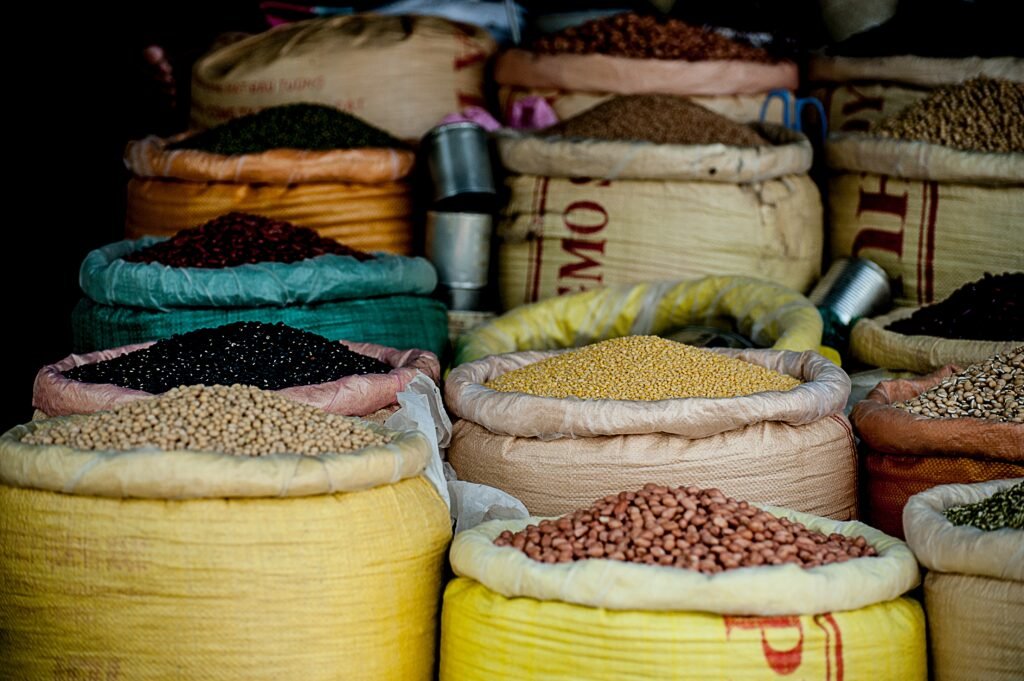
If you consume large amounts of lectins in their raw form, then yes, absolutely! Not all lectins are created equal (as in, certain raw lectins are more harmful than others), but eating raw lectins usually causes severe gastrointestinal issues such as nausea, vomiting and diarrhea. Lectins may also damage the intestinal lining.
Animal studies unequivocally demonstrate the harmful effects of raw lectins. In humans, case reports of poisoning from consuming undercooked kidney beans, which contain one particular lectin that is extra damaging, show that raw lectins are equally detrimental to us. The keyword here, though: raw. We don’t see many people intentionally munching on raw beans.
We’ll get more into this later, but quickly: in a recent study, cooking kidney beans reduced the lectin activity by 99.81%.
Somelectins may play a role in people with autoimmune conditions (especially gut-related ones like Crohn’s disease), but this is highly individual and should be explored with a qualified professional. For example, raw peanuts (one legume that people may actually consume raw) are high in lectins, and likely should be avoided in people with autoimmune conditions.
Soybeans are also very high in lectins: in their raw form, they contain 250 times more lectins than chickpeas, 60 times more than lentils and 8 times more than kidney beans. Even though cooking reduces lectin activity by more than 99%, they have higher levels than other legumes even after cooking. So, regularly consuming soybeans or other soy-based products isn’t recommended for people who may be sensitive to lectins.
Are Lectins Really the Driving Factor for Chronic Disease?
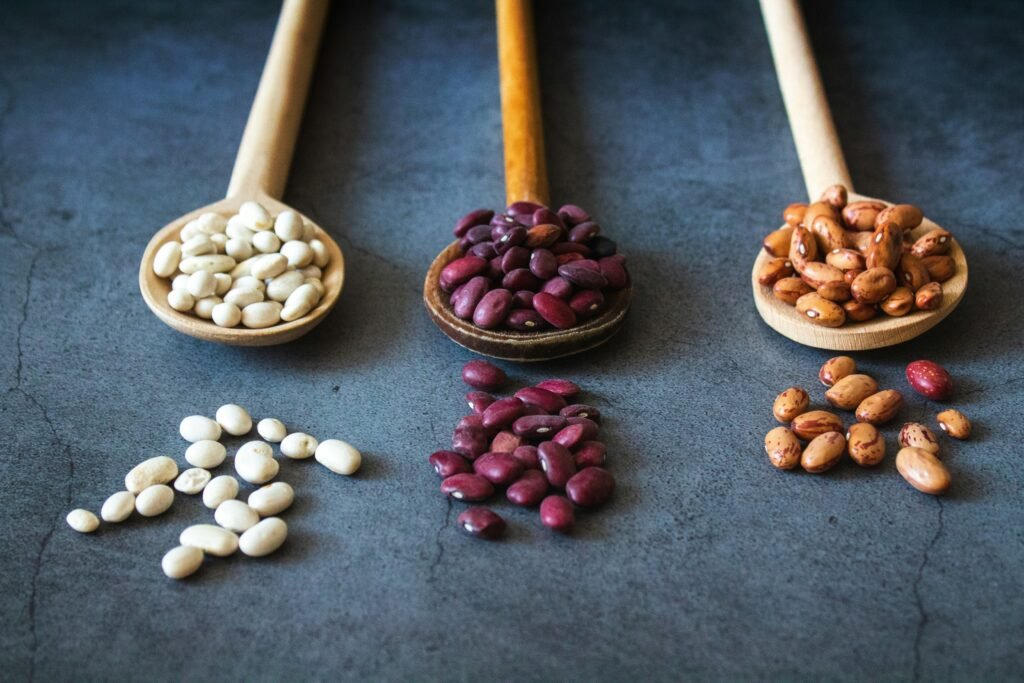
Emphatically, no. While recent fad nutrition culture popularized this theory, there’s no scientific or physiological evidence that this is the case. A Western diet tends to be low in lectins, as it consists of more meat, added sugars and fats (which don’t contain lectins) and less whole grains and legumes (which do contain lectins). Contrast this to people living in the blue zones, the longest-living populations worldwide, who share the commonality of high consumption of legumes (lectin-containing).
Proponents of a lectin-free diet argue that soy, and therefore lectins, are ubiquitous in the modern food supply. While this may be true, soy is processed before being added to food products, almost completely eliminating lectin activity. At the moment, we know that high consumption of ultra-processed food leads to adverse health outcomes, but we cannot say whether it’s the lectin content, the preservatives, the added sugars, salt and fat, or – the most likely answer – some combination of numerous factors.
Are There Benefits of Eating Lectins?
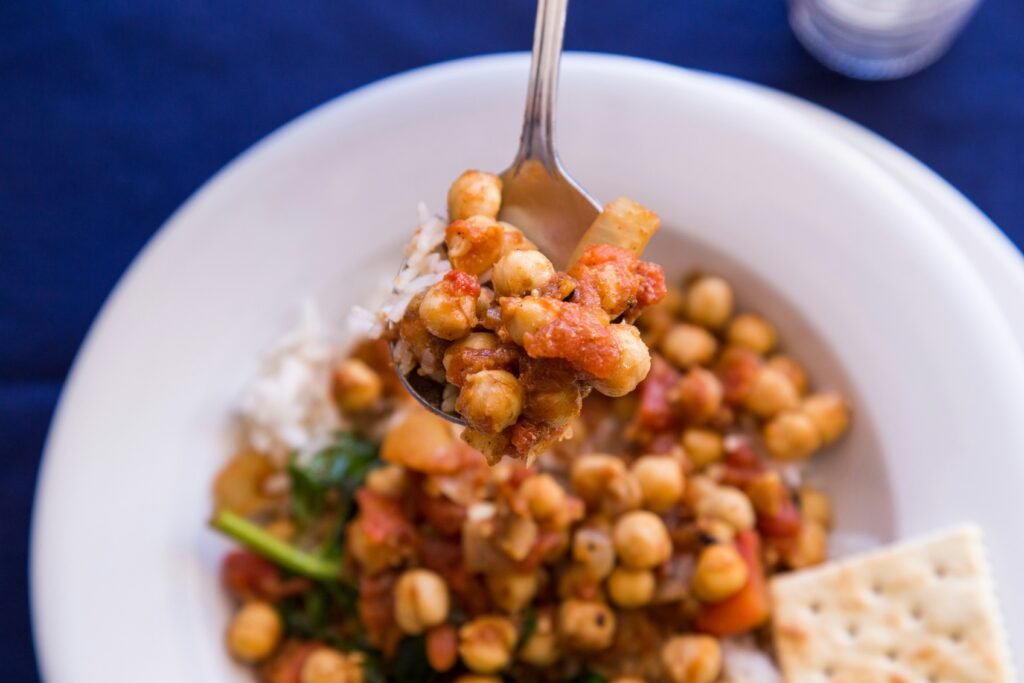
Research on how lectins impact humans in a realistic dose from properly prepared food is in its early stages. The relationship with overall health is likely complex, and the effects of lectins may vary depending on the individual and the specific lectin in question.
What we do know is that lectins are high in plant foods, such as legumes, which are associated with positive health outcomes. They have anti-inflammatory properties and may protect against chronic diseases like diabetes and heart disease. They also have prebiotic effects, meaning that they feed your beneficial gut bacteria and can improve your gut health.
Raw lectin consumption is harmful – no one is disputing that. But if eating cooked, deactivated lectins was harmful, then we wouldn’t see the following impressive results from legume-based intervention studies:
- A randomized trial of 120 people with diabetes provided either a legume-rich, low glycemic index diet or a control diet for three months. They found that the legume-rich diet improved blood sugar control and decreased the risk of heart disease.
- A meta-analysis combined data from 21 randomized trials and showed that participants who received interventions to increase their intake of beans, peas or lentils had a greater reduction in weight, even without calorie restriction.
- Another meta-analysis pooled data from 9 trials and showed that legume consumption produced a 30% higher level of satiety than meals that didn’t contain legumes.
- Legume consumption also decreases blood pressure, according to this pooled analysis of data from 8 trials.
There’s a lot more where that came from, but we won’t bore you: a robust body of literature shows that legumes benefit your health.
How To Safely Consume Lectin-Containing Foods
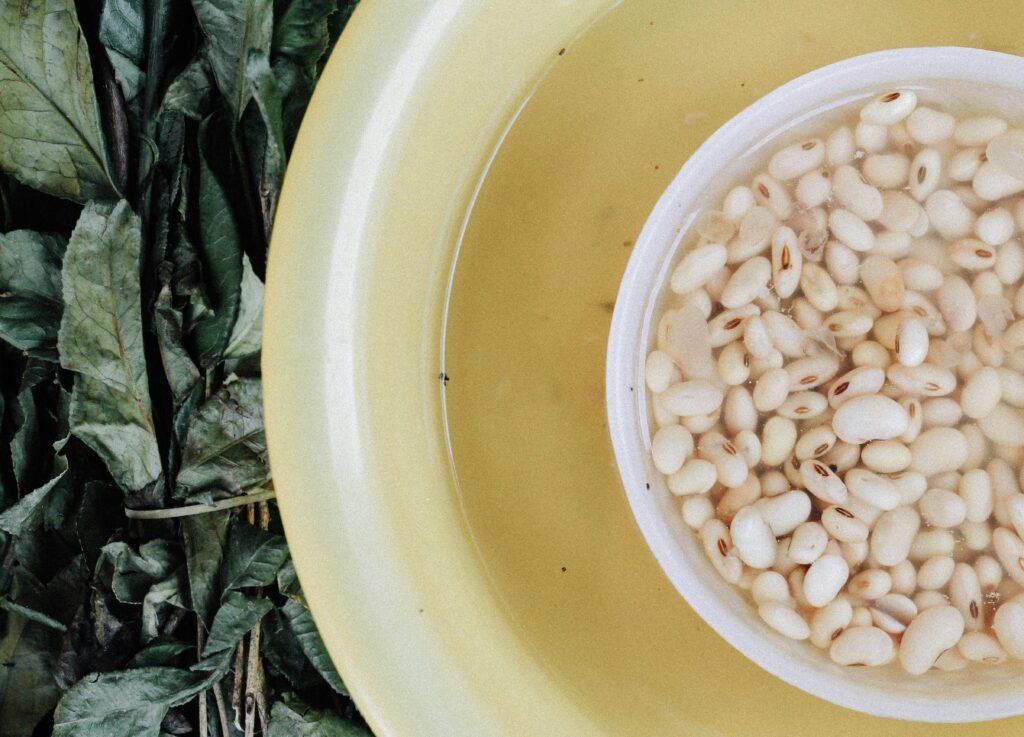
First and foremost – skip the raw beans and raw whole grains. After that, you’ve got cooking, soaking and fermenting. These processes considerably decrease the lectin content of foods to the point where they are unlikely to have adverse effects on the body.
In the study we mentioned earlier, cooking legumes decreased lectin activity considerably:
- Lentils: 97% reduction
- Fava beans: 98.5% reduction
- Black beans: 99.8% reduction
Older studies indicate that cooking can achieve a 100% reduction in lectin activity in fava beans and chickpeas.
Lectins are water-soluble, which is why soaking dried beans and then boiling them at high temperatures is such an effective way to deactivate lectins. If you purchase canned beans, they are cooked at high temperatures and packaged in liquid, making them also low in lectins. Rinse them thoroughly when you open the can, and you will wash away any lectin residue left in the canning water.
Takeaway
Lectins are naturally occurring plant compounds that are harmful when consumed in their raw form. Some foods that contain high levels of lectins, such as legumes, have been repeatedly shown to be beneficial for your health. Cooking, soaking and fermenting lectin-containing foods are all ways to decrease the lectin content of those foods – but that’s nothing new; why do you think our ancestors started using these techniques in the first place?