
The internet is a confusing place for all things nutrition, and snacking is no exception to the controversy. It’s a simple concept: you feel hungry between your meals, so you choose to have a snack. Yet, for many, there’s much more to it than that. Are you actually hungry, or just bored? What snacks do you have access to? Can constant snacking make you gain weight? Or does regular snacking boost your metabolism? There’s a lot to consider, so let’s get to it!
Is Snacking Good For You?
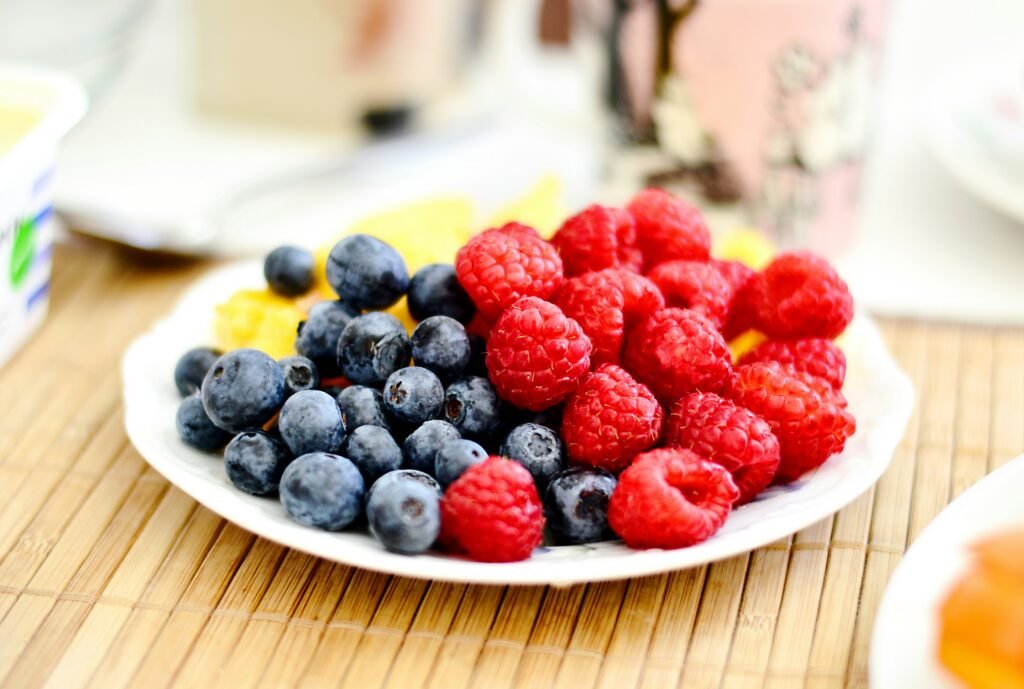
Maybe, maybe not – it depends on how and why you snack. In some scenarios, snacks are an excellent way to give you the boost of nutrition or energy you need without sitting down to eat a full meal. However, many people become habitual snackers, losing sight of when and if they feel hungry.
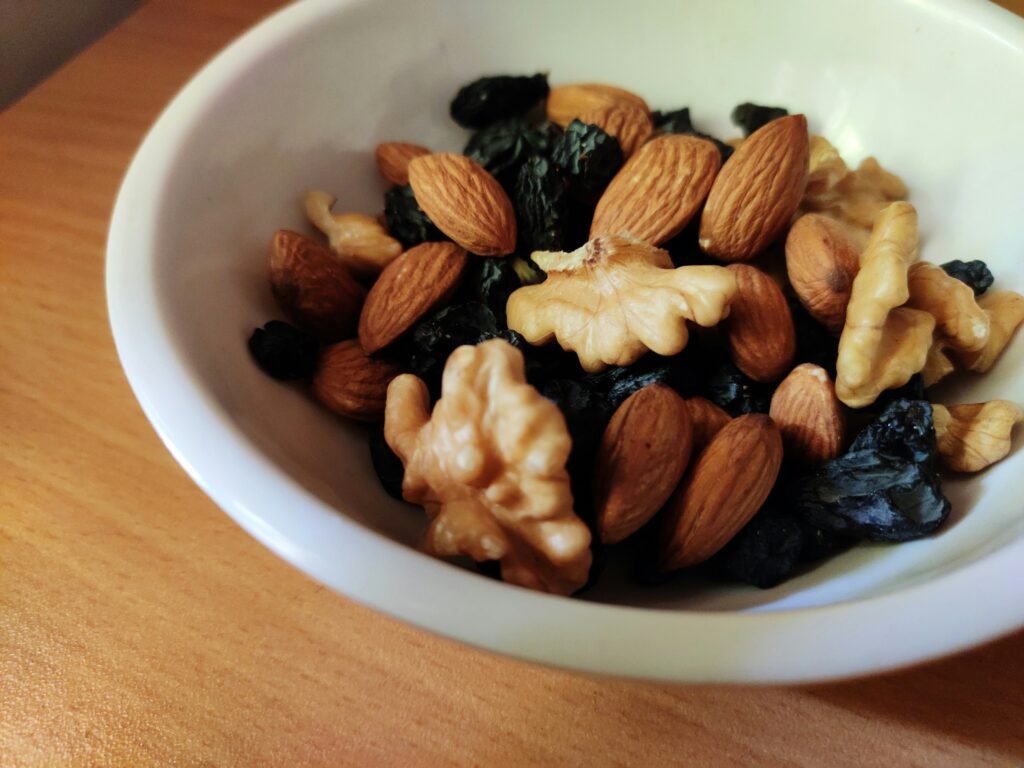
The type of snack also contributes to whether or not snacking is good for you. Regularly eating highly-processed snacks will add extra calories to your diet without giving you any extra nutrition. You’ll probably also consume much higher amounts of not-so-healthy nutrients like sugar and trans fats. On the other hand, choosing nutrient-dense snacks like nuts and seeds can provide a great source of important nutrients.
Unfortunately, market research tells us that the most common go-to snacks are cookies, chips, ice cream, candy, popcorn, soft drinks, crackers and cake. There are also a few common healthier options, such as fruit, nuts and seeds, but the overall snack picture is pretty grim.
So, when it comes to answering the question, “is snacking good for you?,” you’ll need to consider what you snack on, why you snack, how frequently you snack and how snacking fits into your overall intake.
Does Snacking Actually Boost Metabolism?
No, not really. Technically your metabolic rate increases a little bit every time you eat, because you’re asking your body to do work digesting food. This effect is called the thermic effect of food, indicating the energy cost of eating.
But your increased metabolism is much more strongly correlated to what you eat rather than how frequently you eat. Overall, research supports that increasing meal or snack frequency likely won’t improve your metabolism (in other words, if you eat the same number of calories in two meals or seven meals, your metabolism doesn’t care).
So What About Weight Loss?
Whether or not snacking will help or hinder your weight loss goals is highly individual – what works for one person may not work for another. However, we know that snacking isn’t a requirement for weight loss. From a research perspective, it’s difficult to accurately study the effects of snacking on health, and studies show inconsistent results.
Here are some prompts to help you tease out if snacking is right for you:
- When you snack, are you usually hungry or just bored? This is an important distinction, and snacking is all too often used as a remedy for boredom. Distinguishing between hunger and boredom will require you to pay attention to your body and what it’s telling you. If the answer is “bored,” then come up with a list of other activities that you can do in these situations – go for a walk, dance in your living room, call a friend or loved one, do some light stretching, pick up a book… really anything that makes you feel good!
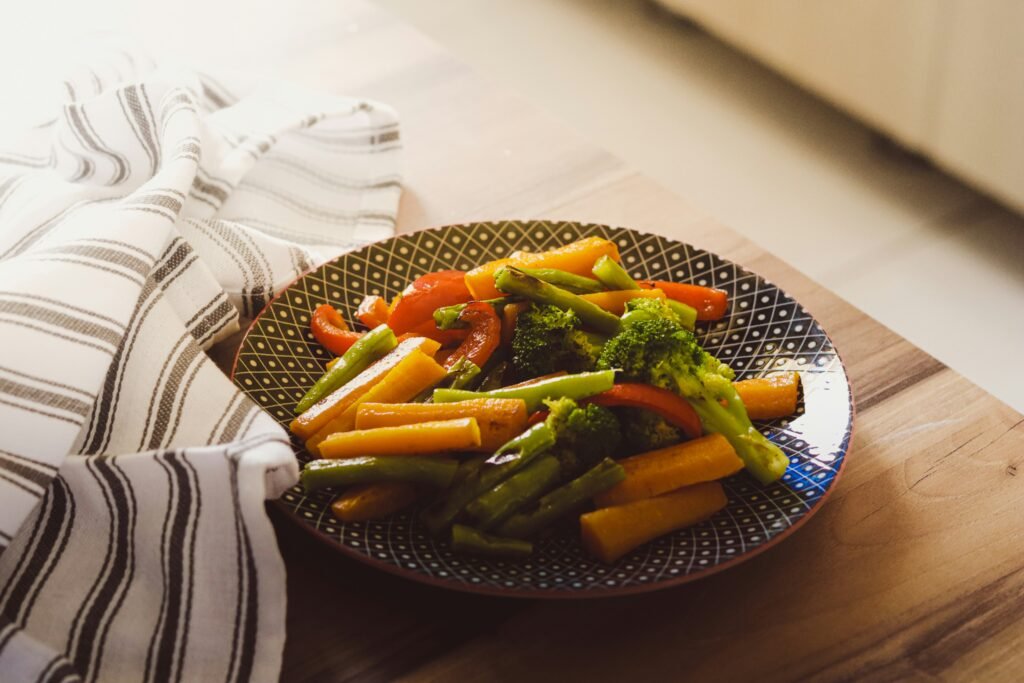
- What types of foods are in your snacks? We’ve established that the type of snack matters, so think about what snack foods you usually reach for. For example, a carb-only snack tends to give you a blood sugar spike, followed by a crash. This is very different than a snack of vegetable sticks with hummus, which will give you more sustained nutrition.
- Are you snacking when you don’t need to? Many people believe they need to eat frequently to lose weight, but you might just be adding extra calories without realizing it. Another common belief is that you need immediate fuel after exercise to reap the benefits of your workout. But most people probably aren’t exercising to the degree that any extra snacks are required.
- Are there times when a snack could help prevent you from overeating? Sometimes snacks can be a great strategy to ensure you don’t get to your next meal absolutely ravenous. For example, this could be a healthy 4 pm snack as you finish the workday to give you a boost of energy until dinner.
Top Tips for Healthy Snacking Habits
If you decide that snacking makes sense for you, here are some tips to use when planning your snacks:
- Try to avoid carb-only snacks. Add protein and fat to balance out your blood sugar response.
- Use snacks as a way to eat foods you might otherwise not. Nuts and seeds are a great example here – they lend themselves exceptionally well to snacking but often don’t get incorporated into meals.
- Planned snacks are usually better than spur-of-the-moment ones. Making healthy, balanced choices is easier when you plan for snacks. Plus, you’ll be able to factor in your snacks to your overall intake for the day.
- Always check in with your hunger cues. If you’ve planned a snack but you’re not actually hungry, listen to your body!
- Try to avoid constant grazing. Grazing usually makes you consume a lot more calories than you think, and it keeps your blood sugar levels slightly elevated all day long. Elevated blood sugar over time can have health consequences.
Takeaway
To snack or not to snack – it’s really up to you! It depends on your lifestyle, preferences, hunger cues and how it makes you feel. It’s not a make-or-break for weight loss, and you can be successful with or without snacks.