Herbal teas have numerous health benefits, so they’re a great beverage to incorporate into your daily routines. Most people purchase herbal teas, but did you know they are incredibly easy to make on your own? Homemade herbal tea is a sustainable, money-saving way to enjoy these delicious beverages.
Why Make Your Own Herbal Tea Blends
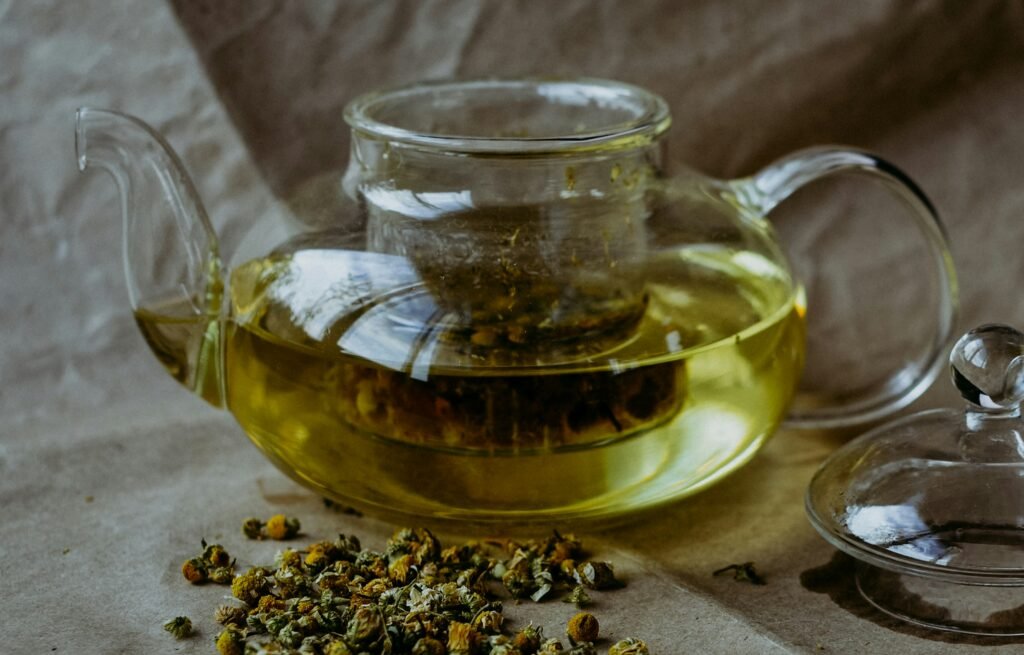
Herbal teas are a fantastic and easy way to boost your intake of health-promoting plant compounds. You can customize your blends based on what you like and create different teas for different purposes. While it’s possible to buy high-quality herbal teas, many supermarket brands contain added flavours or colourings, so making your own may be more beneficial.
Regular consumption of herbal tea is associated with health benefits, and many likely arise from the high levels of potent bioactive plant compounds (called phytochemicals) found in herbs and spices. These compounds have impressive antioxidant and anti-inflammatory effects. Here are some examples:
- Chamomile: Chamomile might be a herb you’ve heard about for its sleep-inducing benefits, but there’s so much more to this magical herb. Early research supports its use for sleep quality, depression, generalized anxiety disorder and premenstrual syndrome.
- Hibiscus: Hibiscus is another health-promoting herb with high levels of an antioxidant called anthocyanins. Hibiscus tea consumption may help to lower blood pressure and other cardiovascular risk factors. Animal studies also suggest that hibiscus may have promising effects on obesity and metabolic syndrome.
- Rosehips: Rosehips are the fruit of the rose plant, with high levels of anti-inflammatory compounds. Early research suggests that rosehips may reduce pain among people with osteoarthritis and might be able to decrease abdominal fat and body weight.
Collect Your Supplies
Making herbal tea blends may seem daunting, but it’s a straightforward process that uses supplies you probably already have in your kitchen.
Here’s what you’ll need:
- Dried herbs and spices of your choice (you can dry your own herbs from fresh or purchase pre-dried)
- Glass jars
- Labels
- Tea strainer
Follow a Basic Recipe (If You Want!)
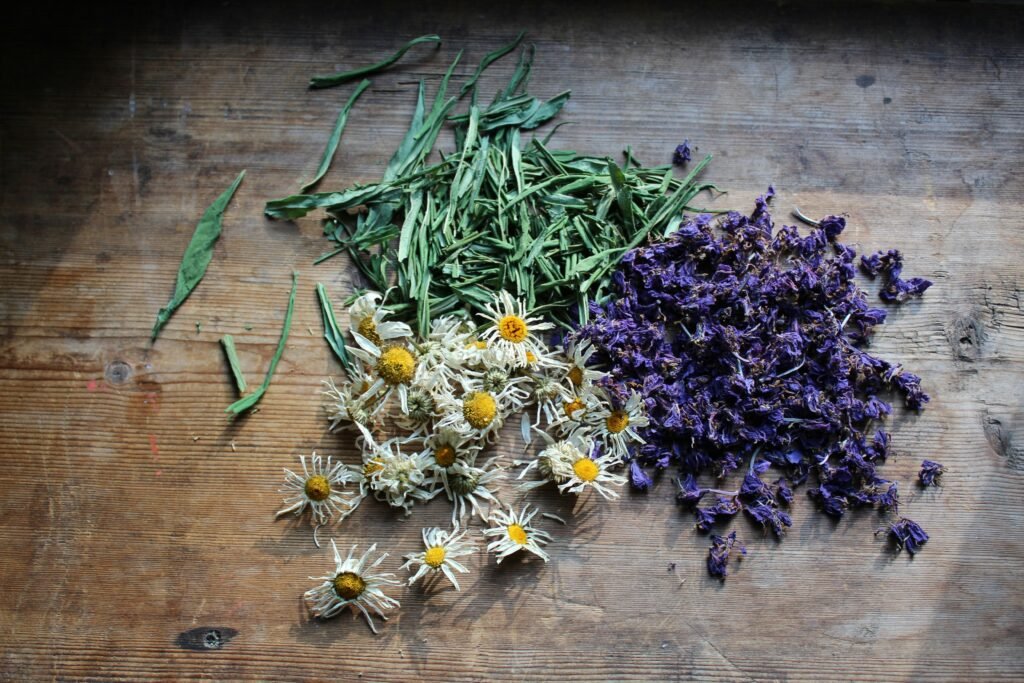
Here’s the thing about herbal teas: you don’t need to follow a recipe, but you can use a loose structure if you want to. A basic recipe helps to guide you through creating a blend with a balanced flavour profile.
A basic recipe for a herbal tea blend uses the following:
- Base ingredient: This is usually your preferred herb that you want to be the main ingredient in your tea.
- Supporting ingredient: This provides a complementary flavour to your base ingredient.
- Accent ingredient: This is usually a burst of flavour that rounds out the other ingredients.
When you’re getting started, try 3 parts base to 1-2 parts supporting to ½ to 1 part accent. Adjust as needed based on your preferences. You may find your ratios change based on which specific herbs you’re using. And remember, these are loose guidelines, not rules!
Understand Flavour Profiles
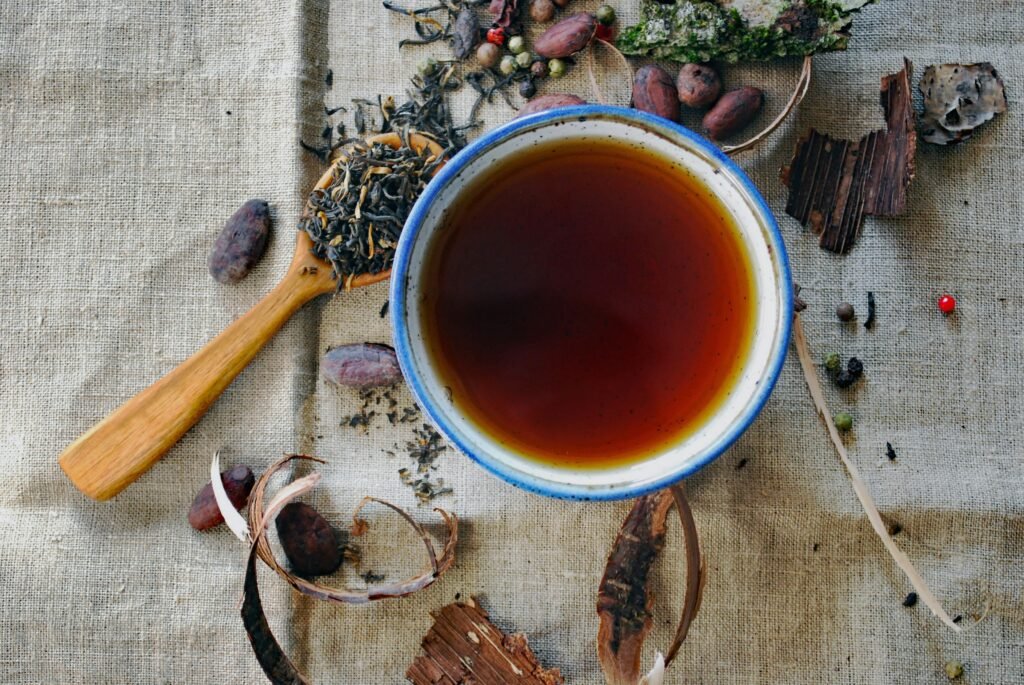
If you understand the flavour profiles of different herbs and spices, you’ll be able to make more full-bodied herbal blends (that taste good!).
The table below lists four main flavour categories with examples of herbs and spices.
| Citrusy | Minty | Floral | Warm and spicy |
| Lemon balm Lemon verbena Lemon peel Orange peel Lemongrass Lemon thyme | Mint Spearmint Peppermint Bee balm | Chamomile Hibiscus Rosehip Rose petals Lavender Elderflower | Turmeric Cinnamon Cardamom Ginger Fennel seed Dandelion root |
You can consider using herbs with more mellow flavours as your base ingredients and stronger herbs as the supporting and accent ingredients.
Not Sure Where to Start? Try These Recipes
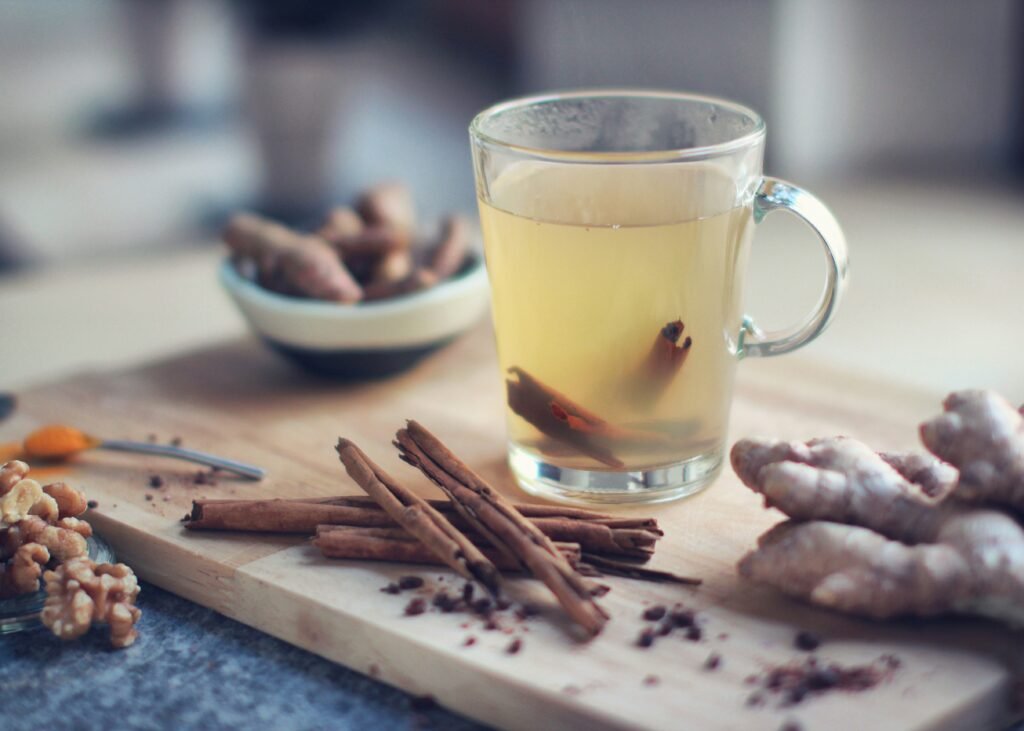
Once you start making your own herbal blends, you’ll probably discover the flavours and combinations you enjoy. But it can be hard to know where to start, so it’s helpful to have some ideas. Try a small batch and then adjust based on what you liked or what you felt it needed more or less of.
Calming Herbal Tea Blend
- 3 parts chamomile
- 2 parts rose hips
- 1 part lemon balm
- 1 part peppermint
Energizing Herbal Tea Blend
- 3 parts peppermint
- 2 parts lemon peel
- 1 part rosemary
- 1 part green cardamom pods
- 1 part ginger root
Stomach-Soothing Herbal Tea Blend
- 3 parts ginger
- 2 parts fennel seed
- 1 part peppermint
- 1 part lemongrass
- 1 part chamomile
Brew Your Herbal Tea Blends
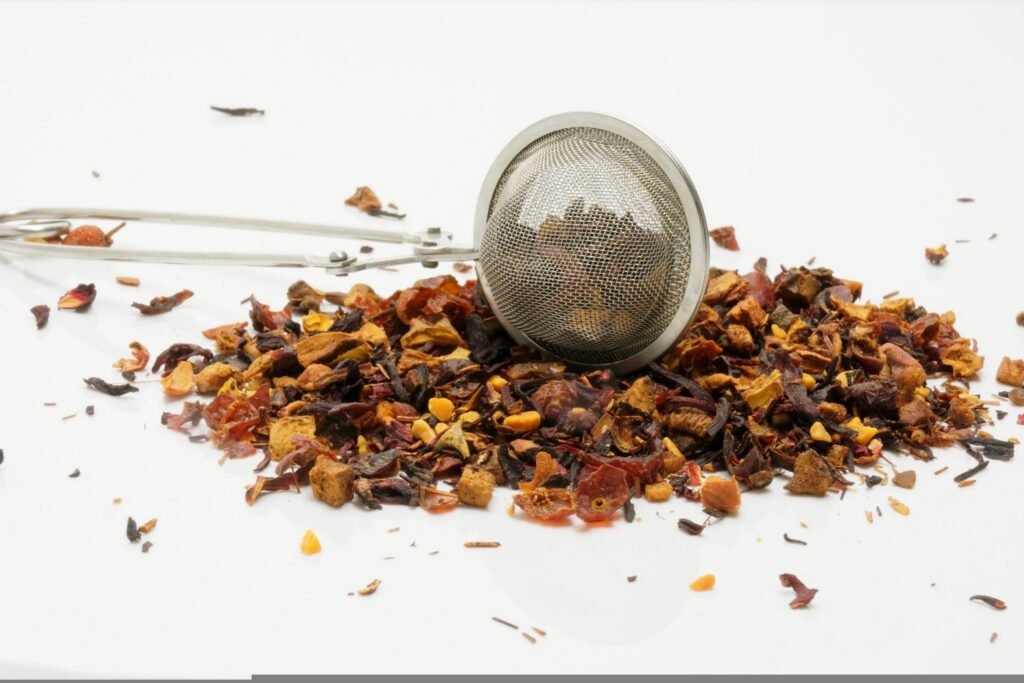
You can brew your herbal tea blends for as long or as little time as you want. However, there tends to be a sweet spot for brewing time where you get the flavour you’re looking for, without the bitterness that can come from prolonged brewing.
For every cup of tea (approximately 250 ml of water), you’ll want around 1 tablespoon of dried herbs. Brew for 3-5 minutes or until you reach your desired strength.
Store Your Herbal Blends
Once you’ve mixed your herbal tea blends, they can be stored for up to one year. Technically they can be stored longer because they won’t go bad, but you’ll retain the best flavour if you use your blends within a year.
Store your jars of herbal blends in a dry, dark place, such as a cupboard. Avoid storing them on countertops where they will get lots of light exposure, as this will speed up the flavour loss.
A Word Of Caution For Herbal Teas
Herbal teas are a great way to consume more beneficial plant compounds, but it’s essential to acknowledge that some herbal teas contain potent levels of bioactive compounds, so more isn’t always better.
If you have a health condition or take any medications, speak to your doctor before incorporating herbal teas into your daily routines, as some teas can interact with certain medications. You should also check in with your doctor if you are pregnant or breastfeeding, as some herbal teas are not recommended during these times.
Takeaway
Homemade herbal tea blends are an easy and sustainable way to customize your herbal teas to be exactly how you like them. Get creative with different combinations of herbs and spices to have the perfect homemade tea for every occasion.