The Mediterranean diet is a way of eating associated with impressive health benefits. Olive oil is a non-negotiable staple in this diet; it likely contributes significantly to the beneficial outcomes we see from people who eat a Mediterranean-style diet. Plus, olive oil is incredibly flavourful and versatile. Win-win!
What Is Olive Oil?

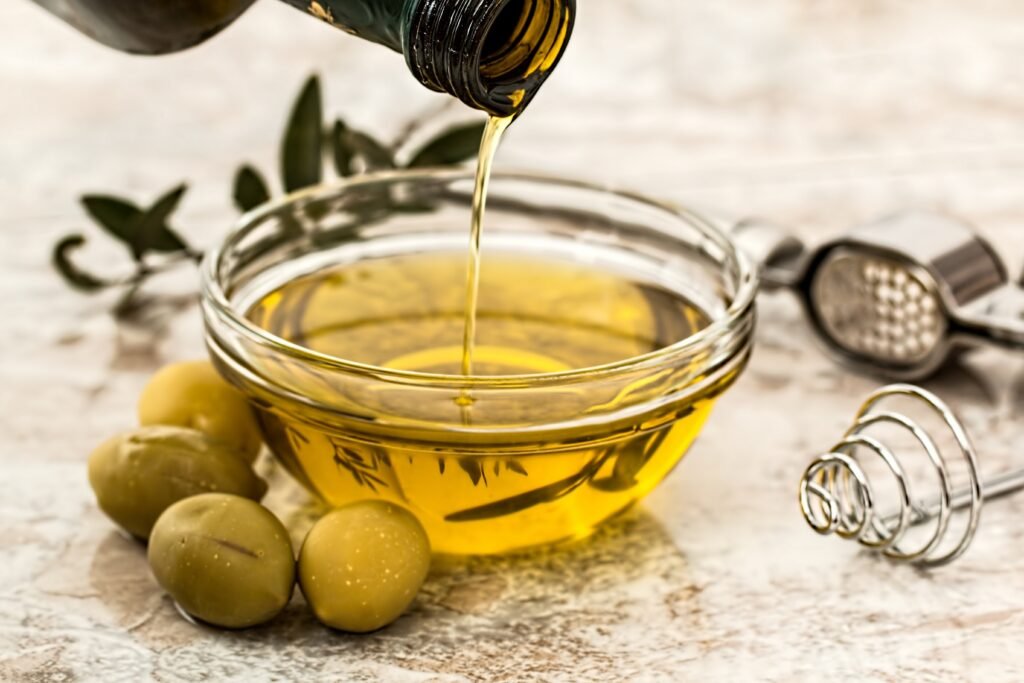
Olive oil is extracted from olives using pressing or crushing. Depending on the level of processing, different types of olive oil fall into one of two categories: refined or unrefined.
Refined oil undergoes the most processing, and the final product is bland in flavour with minimal aroma or colour. The processing also destroys the antioxidant and anti-inflammatory compounds in olive oil. You can find refined oils sold as “olive oil,” “pure olive oil,” or “light olive oil.”
Extra-virgin olive oil is unrefined and the purest olive oil you can purchase because it isn’t processed with temperature or chemicals. It has a rich flavour and a more green-ish colour. In this article, we’re talking about extra-virgin olive oil because that’s where most health benefits lie.
Virgin olive oil is also considered unrefined, but it doesn’t have the same high levels of beneficial compounds as extra-virgin olive oil.
Olive oil is well-known for its monounsaturated fatty acid content, a type of fat linked to several health benefits. But, it’s also an excellent source of antioxidants, polyphenols, vitamin E and vitamin K.
What Can Olive Oil Do for My Health?
Cardiovascular Health
For many years, reducing overall fat intake has been the guidance around reducing the risk of cardiovascular disease. However, it turns out that this recommendation may have been misguided.
In the most extensive study on the Mediterranean diet to date (known as the PREDIMED study), a Mediterranean diet supplemented with olive oil significantly decreased the incidence of cardiovascular disease events compared to a reduced fat diet. These results imply that total fat isn’t where we should be directing our attention, but rather the types of fat matter. In the case of olive oil, more may actually be better.
Another study tested whether or not the type of olive oil (refined or unrefined) made a difference in its effect on cardiovascular disease risk factors. This study found the most significant benefits from extra-virgin olive oil containing high polyphenols.
Anti-Inflammatory Potential
Chronic inflammation is considered the root of many chronic diseases that people are dealing with today. Olive oil is known to contain numerous anti-inflammatory compounds that may be able to help fight chronic inflammation.
One study analyzed all the available data on olive oil consumption and inflammatory markers. They found that higher olive oil intake decreased specific markers of inflammation better than other oils, such as sunflower oil.
Another study randomized participants to receive either high polyphenol or refined olive oil. They found a significant decrease in inflammatory markers amongst the high polyphenol group.
Diabetes
The prevalence of diabetes is rising rapidly due to a combination of dietary, lifestyle and environmental factors. In the PREDIMED study, researchers looked at the incidence of diabetes and the need for insulin-lowering medications in people diagnosed with diabetes. The Mediterranean diet supplemented with olive oil led to significantly lower rates of diabetes and fewer people requiring medication.
Cognition and Neuroprotection
Olive oil consumption may also benefit neurodegenerative diseases such as Alzheimer’s and Parkinson’s disease. Specific polyphenols in olive oil are thought to counteract oxidative stress in brain tissue, a pathway involved in neurodegenerative diseases. Another way olive oil can aid neurodegenerative diseases is its effect on preventing dysfunctional protein synthesis.
In the PREDIMED study, the Mediterranean diet plus olive oil led to significantly higher cognition markers than a low-fat diet. Another study showed that supplementing with extra-virgin olive oil improved depression symptoms in patients with severe depression.
Mortality
Higher olive oil consumption is associated with a decreased chance of dying from cardiovascular disease, cancer, neurodegenerative disease and respiratory disease. This effect seems particularly pronounced when olive oil replaces an equivalent amount of butter, margarine, mayonnaise or dairy fat.
Gut Microbiome
Worldwide, researchers are exploring the gut microbiome as the master controller of our overall health. Early research in humans suggests that consuming polyphenol-rich extra-virgin olive oil can alter the gut microbiome in a way that stimulates the immune system.
Other hypotheses around the effects of olive oil consumption on the gut microbiome come from animal research. Researchers propose that polyphenol compounds in olive oil help beneficially influence short-chain fatty acid production. The implications of this include activating cholesterol metabolism, the immune system and satiety (fullness) pathways.
But Can I Cook With It?!
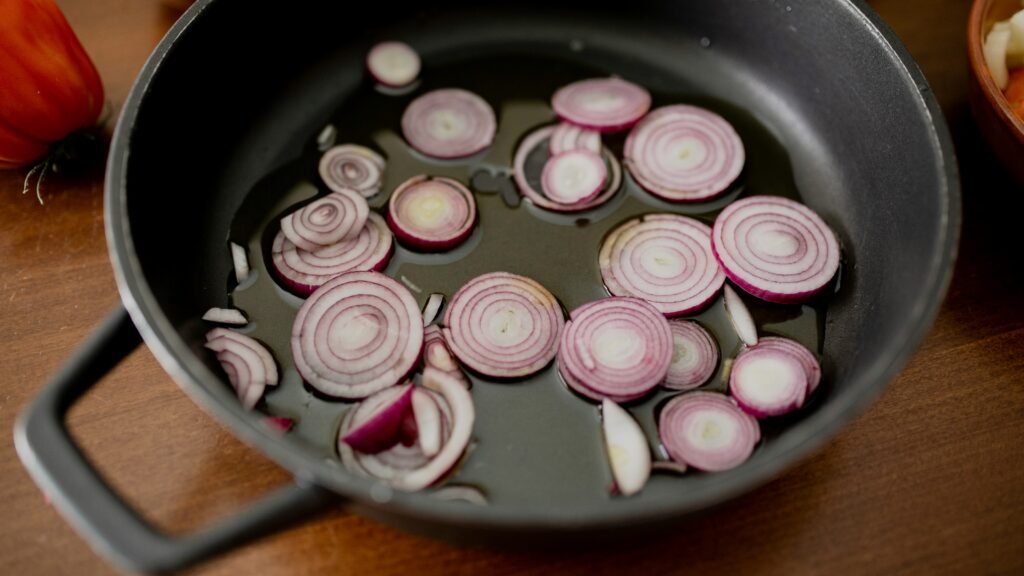
You’ve probably heard that extra-virgin olive oil is only suitable for salads or dressings because it has a low smoke point. While we don’t recommend extra-virgin olive oil for deep-frying, it’s actually an excellent all-around cooking oil.
High monounsaturated fatty acid and antioxidant levels keep olive oil stable when heated. That means you can use extra-virgin olive oil for sauteeing, baking, roasting, or whatever else you need it for.
That said, if using extra-virgin olive oil for all of your cooking isn’t within your budget, save it for the drizzles and dressings when the flavour can shine.
Takeaway
Extra-virgin olive oil is flavourful, versatile, and full of health benefits. If you aren’t a regular olive oil eater, it’s time to make olive oil your kitchen staple.