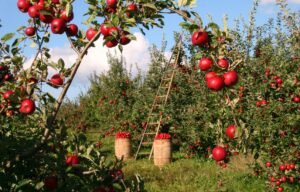
Sustainability is a hot topic these days, but it can be hard to know what’s what when you’re seeing so many different food claims and messages on almost everything you purchase. In this article, we’ll go through what some popular sustainability-related food claims mean, which ones are regulated (and which ones aren’t!) and how to tell if a claim may be misleading.
What Are Sustainability-Related Food Claims?
Sustainability-related food claims are statements you see on food packaging or labels that tend to fall into one of three categories: social, environmental or economic. These claims may give you information about how a plant was grown, how an animal was raised, how a food was harvested, or how food workers were treated or compensated. All of these factors contribute to the overall sustainability of a food.
Some claims are tightly regulated, so you can be more sure that what you’re buying does indeed abide by the rules of that claim. However, many claims do not have regulations, or they have very loose regulations, so it’s essential to be a critical thinker (more on that later!).
There are many different food claims out there, and they differ from country to country, so this article isn’t an exhaustive list, but you’ll learn about some of the claims you’re likely to see most often at the grocery store.
Fruits & Vegetables
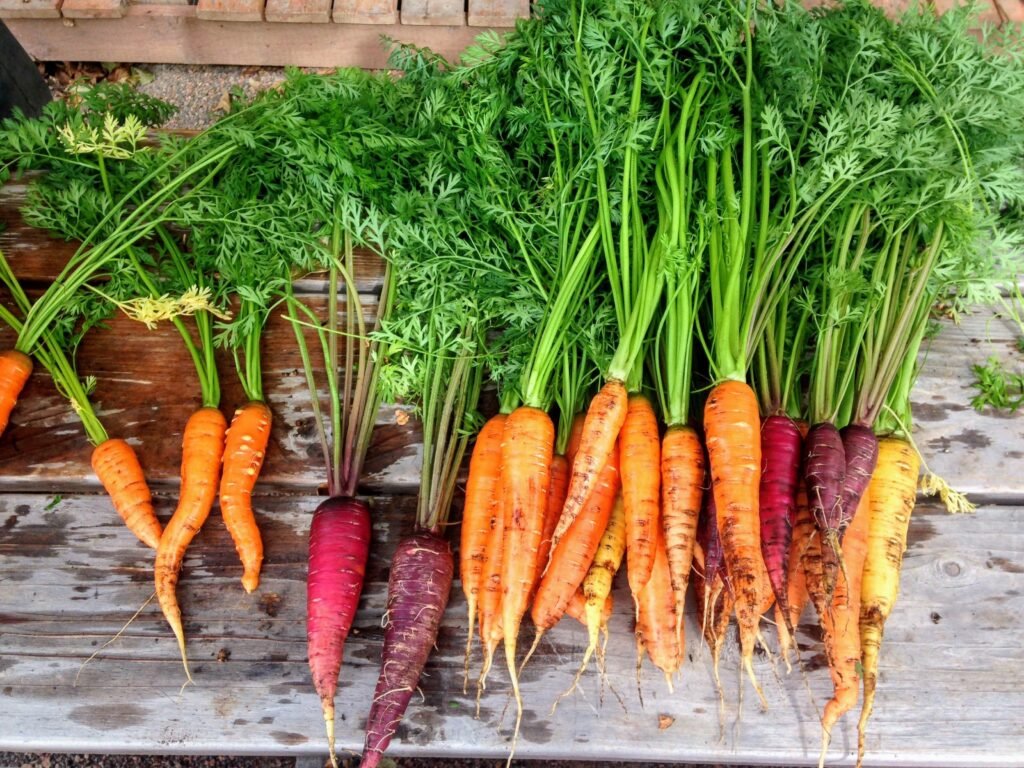
The main claim you’ll see on fruits and vegetables is Certified Organic. Certified Organic is a tightly regulated claim that requires producers to follow strict rules and regulations. In most countries, it is either a governmental or third-party certification, meaning that any producers who are Certified Organic are subject to oversight and monitoring for compliance from an outside source.
There are several regulations to follow to produce Certified Organic fruits and vegetables. Some key rules are that the food is not genetically modified and is grown without synthetic herbicides, pesticides, or chemical fertilizers. However, organic does not mean the produce is pesticide-free because approved natural pesticides are allowed in organic farming.
Meat, Poultry and Eggs
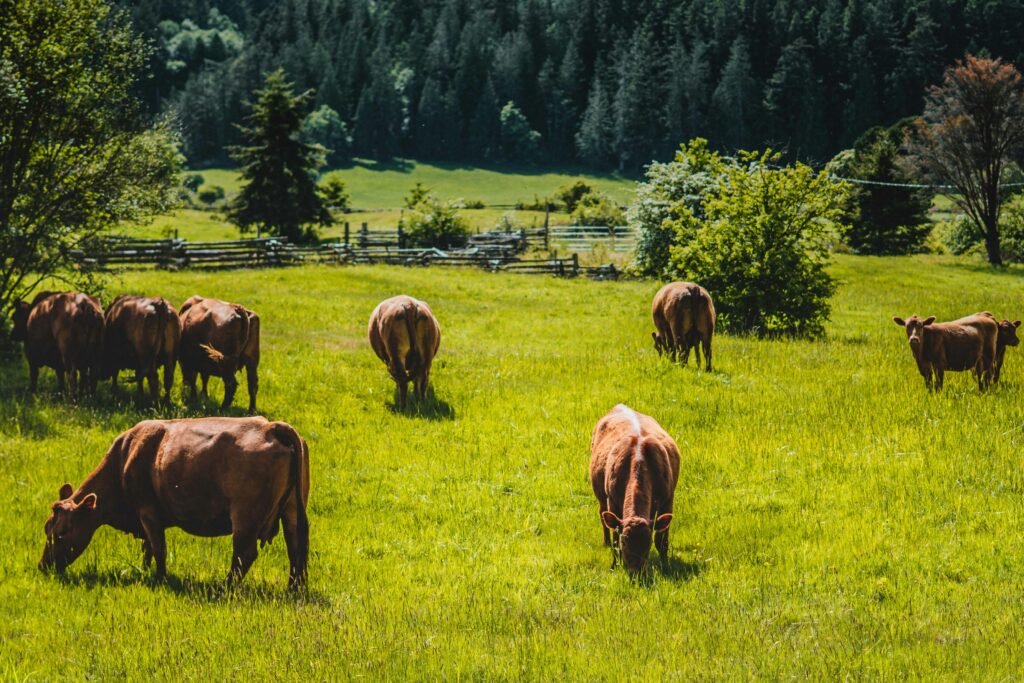
More and more claims are being added to animal products that give consumers information about how animals were fed, raised and slaughtered. Like produce, animal products can also be Certified Organic – in this case, it means producers feed the animals 100% organic, non-GMO feed and forage. Hormones and antibiotics are not allowed, and animals are raised in living conditions to accommodate their natural behaviours.
Other claims you may see on animal foods include:
- Certified Humane: Animals are treated with dignity throughout the care and slaughter process, and producers must follow rules such as ensuring animals spend a minimum amount of time outside. An independent non-profit organization regulates this claim.
- Hormone-Free, No Hormones Added or Raised Without Hormones: This is a regulated claim that applies to beef, pork and lamb. Animals are raised without the use of synthetic hormones.
- Antibiotic-Free or No Antibiotics: This is a regulated claim that applies to beef, pork, lamb and poultry. Animals are raised without the use of any antibiotics. In some cases, labels may include caveats that animals were raised without antibiotics, except for illness.
- Pasture-Raised: This is not currently a regulated term, but it is used to indicate that animals have access to pasture some or all of the time. Because there is no legal definition, it is difficult to decipher the legitimacy of this claim.
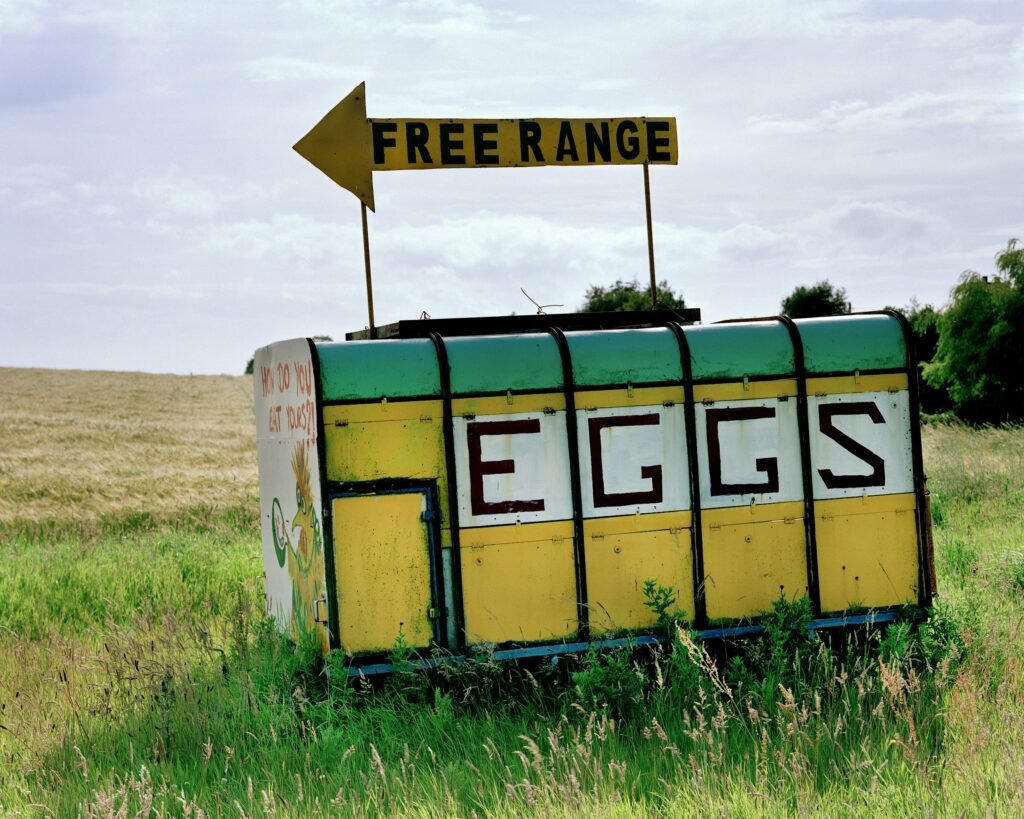
- Free-Range or Free-Roaming: This is a loosely regulated term that indicates chickens or turkeys have continuous access to the outdoors. However, it does not clearly define “access” or provide any assurances that the animals ever actually went outside.
- Cage-Free: This is a regulated claim that applies to poultry and eggs, and indicates they are raised without cages. However, it provides no information about living conditions, feeding or antibiotic use.
You may also see some claims about feeding practices, such as:
- 100% Grass-Fed: This is a regulated term that applies to cattle and indicates that the cows were solely grass fed from weaning onwards. The word “grass,” in this case, means grass from pastures, hay, silage and crop residue without grain. Animals must also have continuous access to pasture during the growing season until slaughter. Some cattle may not be partially grass fed, in which case the label may provide a percentage, such as 90% grass-fed and 10% corn-fed.
- Vegetarian-Fed: This term applies to poultry, but it is not regulated. If not misused, it should indicate that animal fed contains no animal byproducts. However, without a legal definition, it is difficult to assess the legitimacy of this claim.
Seafood
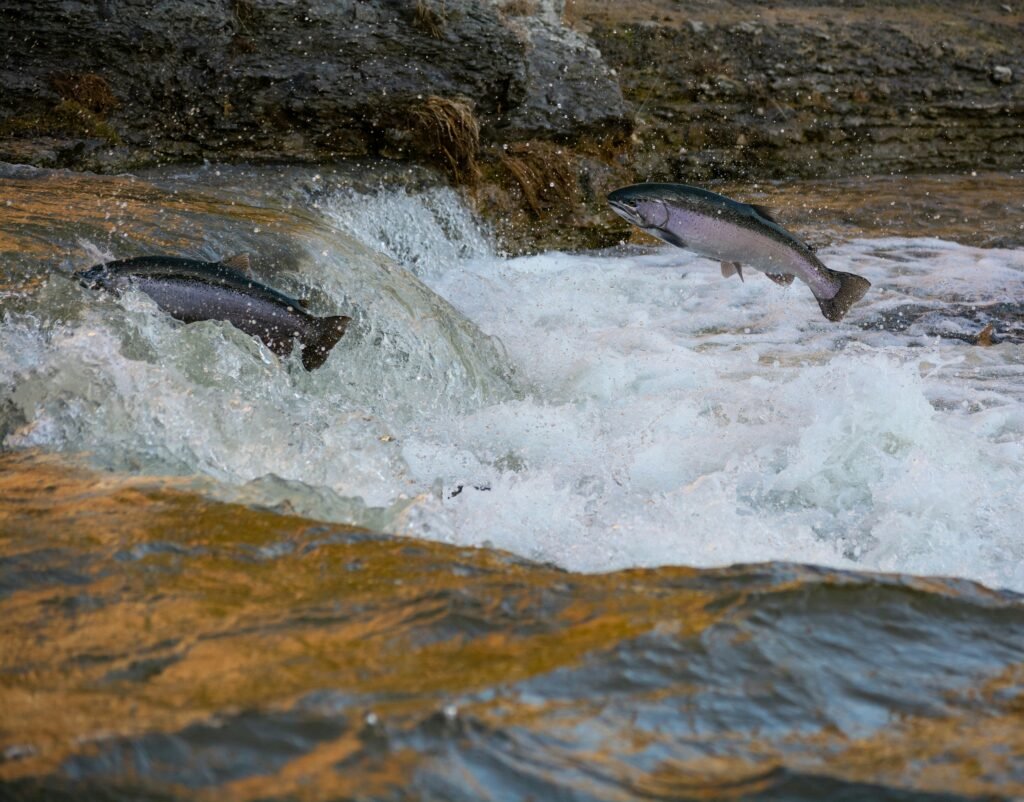
The health benefits of consuming seafood are widespread, but many consumers are concerned about the ongoing sustainability of fisheries. Some of the claims below can help you make informed decisions about the types and sources of seafood that you buy. You can also research specific species to determine if they have a healthy population that is able to tolerate fishing and harvesting, or if they are an endangered population.
Here are some claims you may see on fish and shellfish products:
- Sustainably-Harvested or Sustainably-Caught: This is a third-party-regulated claim. Seafood must be caught or harvested using methods that consider the long-term vitality of the species, the well-being of surrounding habitats and ecosystems, and the livelihood of fishing-dependent communities.
- Wild: Fish have been caught in their natural habitats, have eaten their natural diets, and have not consumed antibiotics. However, this does not give any information about the sustainability of the fishing or harvesting practices that were used.
- Responsibly-Farmed: This is a third-party-regulated claim that indicates the seafood was raised in an enclosed tank or pen, but that the farm has taken considerations to minimize environmental impact. Farms with this certification also monitor fish health, water quality and restrict antibiotic use.
Be a Savvy Consumer
Sustainability-related food claims seem like a great idea to help consumers choose the products that align with their values. Unfortunately, the food industry has taken advantage of the public’s increased interest in eating more sustainable foods. Many non-regulated claims, like “clean,” “eco-friendly” and “sustainable,” are being used by food manufacturers to give the illusion of sustainability without having the evidence to back up their claims.
The practice of adding misleading or unsubstantiated claims to food packaging or labels is often called “greenwashing.” Regulated sustainability-related food claims can help you make decisions about which foods and products you buy, but If you want to buy products that truly align with your values, then doing some of your own research is crucial. Look up the companies and producers you prefer to buy from – those that are actually taking steps to provide more sustainable food will have information and data readily available to back up their claims.
Takeaway
Consider what’s important to you, and use your own values as a guide to determine which sustainability-related food claims might be the most important for you. Put more emphasis on food claims that have oversight or regulations and always be a critical thinker. Aim to make choices within your budget that you feel good about.