Have you ever thought about what food you choose to eat first from your plate? Most of us probably don’t give it much thought, and we likely swap back and forth between different foods throughout the meal. However, food order is an interesting strategy that researchers are investigating for how it can affect blood sugar and satiety.
What Is Food Order?
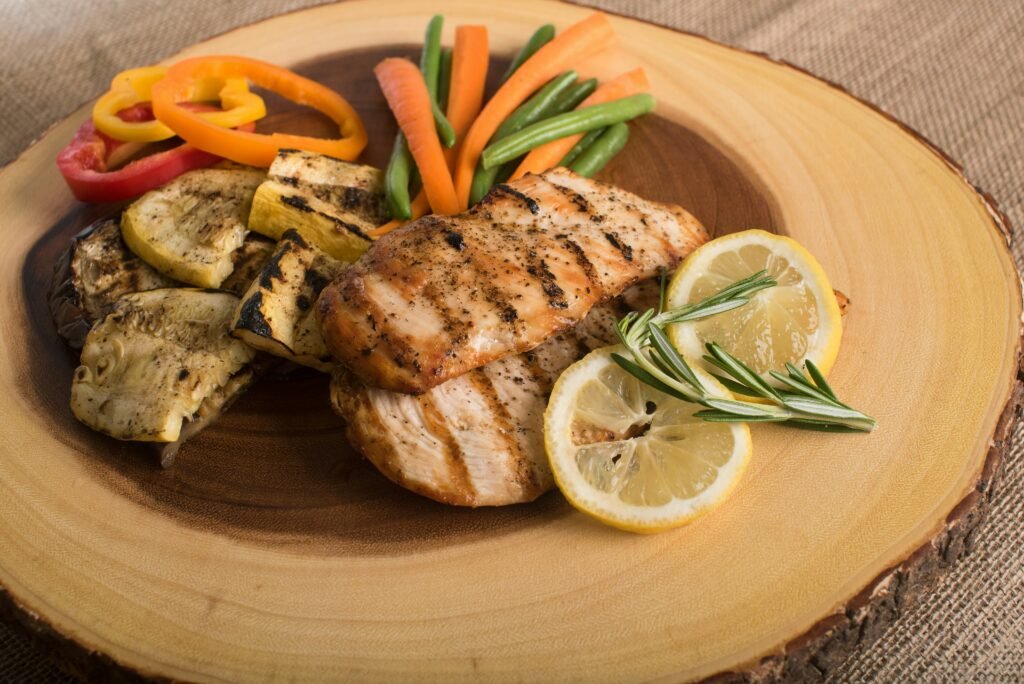
Food order, also called food sequencing, is simply the order in which you choose to eat the foods at your meal, based on their macronutrient content. For example, eating protein first and carbohydrate last versus eating carbohydrate first and protein last.
Researchers want to know if the order you eat macronutrients impacts your body’s overall response to your meal. More specifically, studies have mainly focused on blood sugar control in people with prediabetes and diabetes. Because of the focus on diabetes, studies aim to determine if there is an optimal order to consume carbohydrates.
Adding other macronutrients (especially protein) to carbohydrate foods creates a more favourable blood sugar response. This isn’t new information – we’ve known for a long time that carbohydrate-only meals lead to a larger and more abrupt blood sugar response than mixed macronutrient, fiber-containing meals. Now, researchers are taking it one step further to determine if the order of those foods can further improve the overall blood sugar response to a meal.
What’s the Mechanism for How This Might Work?
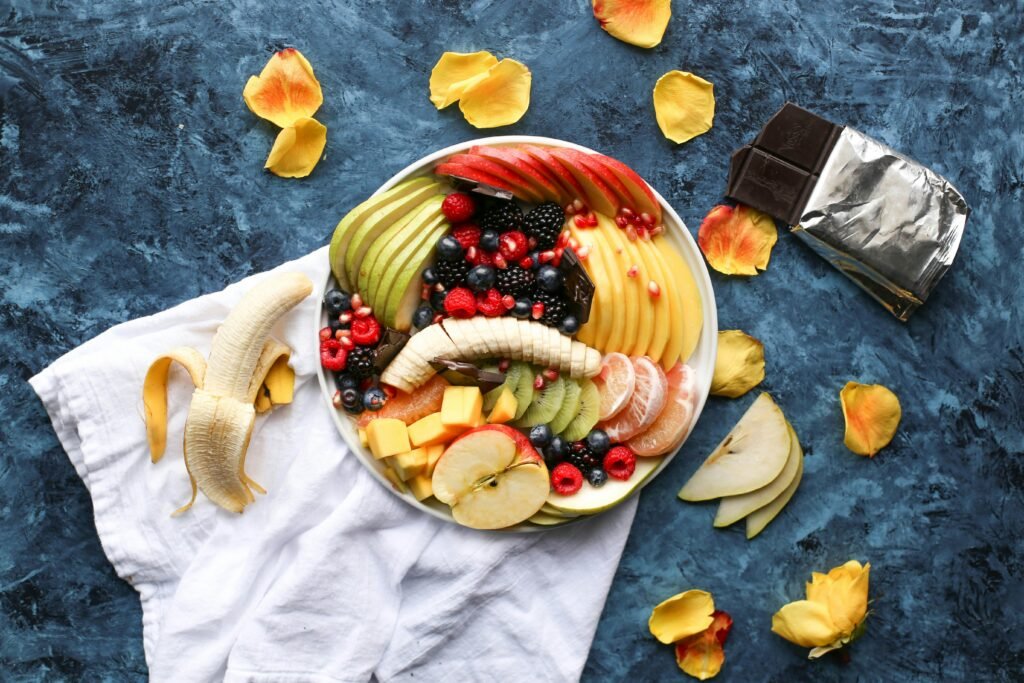
The idea is that eating protein before carbohydrates slows down the rate that the body releases glucose into the bloodstream. This means that your body will experience less of a spike in blood sugar. Overall better blood sugar control is essential for your risk of chronic diseases like diabetes and for keeping your weight in check.
How food order specifically impacts your body’s blood sugar may come down to a hormone called glucagon-like peptide-1 (GLP-1). GLP-1 is a hormone secreted in the body in response to eating – when the gut senses that there are nutrients present, it secretes this hormone. GLP-1 is particularly stimulated by protein.
GLP-1 communicates with your pancreas, telling it to start releasing insulin and stop releasing glucagon.
- Insulin is the hormone that moves glucose from your bloodstream into your cells. Therefore, when you eat carbohydrates, you want to make sure there’s enough insulin around to get the glucose out of your blood and into your cells, where it can be used as energy.
- Glucagon is the hormone that senses when glucose levels are low (such as between meals), and tells your body to break down the storage form of glucose to increase blood sugar levels.
Increasing insulin and decreasing glycogen give your body a better overall glucose response to a meal. GLP-1 also delays digested food leaving your stomach, which keeps you feeling fuller for longer and allows for slower absorption of nutrients from your gut into your bloodstream.
What Does the Research Say?

There isn’t a robust body of literature on food order yet, and more high-quality, large trials are needed. But there is preliminary evidence from some small studies that food order may be an effective strategy for managing blood sugars. Keep in mind that while most of the research is from populations that don’t have optimal blood sugar control, we can assume that some of the findings around blood sugar responses will also translate to people without diabetes.
In one small study of 15 people, participants consumed the same meals over three days in random order: carbohydrates first, protein and vegetables first, or vegetables first. When participants consumed protein and vegetables or vegetables first, the glucose peak was more than 40% lower than when they consumed carbohydrates first.
Another small study of 31 people found similar results when they tested the effects of carbohydrate first/protein last versus protein first/carbohydrate last. Eating carbohydrates last led to lower post-meal glucose levels than eating carbohydrates first.
A larger study of 138 people examined data from 5 years of follow-up of a dietitian-led intervention program on food sequencing. Eating vegetables before carbohydrates significantly decreased HbA1c levels (a measure of overall blood sugar control over time).
One study looked at the effects of food order on ghrelin levels (remember that ghrelin is the hunger hormone that tells your body to eat). Participants who ate carbohydrates last had suppressed ghrelin levels three hours after their meal, meaning they were probably still feeling full and satisfied. In contrast, the carbohydrates first meal pattern showed that ghrelin levels had rebounded to pre-meal levels at three hours, so these participants were probably looking for a snack or another meal.
Keep It Practical

Food order is one strategy you may choose to implement in certain situations. But it’s important to recognize that it won’t always make sense (depending on what you’re eating). For example, if you’re eating a mixed meal like a stew, there’s no need to try to implement this strategy – just enjoy your stew! However, if you’re having a more classic plate of protein with vegetables and some carbs, then it may be something you want to experiment with.
Try out the following tips and pay attention to how you feel after your meal.
- Eat your protein foods before carbohydrates. Early research shows that protein before carbs helps to improve your body’s blood sugar response to the meal, likely by stimulating GLP-1. Prioritize having your protein foods before your carbohydrate foods.
- Also eat salads and low-starch veggies at the beginning of your meal. By eating your veggies early on in your meal, you’re getting a healthy dose of fiber, which is important for your blood sugar response. You’re also eating loads of antioxidants, which may affect how a meal impacts your body.
- Eat your carbs last. A carbohydrate-last strategy seems to be the best way to create a favourable blood sugar response in your body.
If you tend to eat a lower-carb diet, using food order can be a great strategy when you’re in situations where you likely won’t be sticking to your regular macronutrient breakdowns, such as during the holidays or at a celebration. Utilizing this strategy will help you maintain better control over your blood sugar, while still enjoying a meal with family and friends.
Takeaway
Eating carbohydrates last at your meals can lead to a better glucose response than eating carbohydrates first. It’s one strategy you can use to help make sure your body’s blood sugar levels stay as stable as possible.