If you want to lose weight, you’re probably thinking about increasing your intake of vegetables. One of the ways you’ll probably do that is by eating more fresh, raw salads. It’s an excellent idea and can be a great way to help you meet your weight loss goals.
Unfortunately, salad dressings can be a sneaky source of hidden calories without giving you much extra nutrition. But, it doesn’t have to be like that – you can choose dressings that give you additional nutrients and help you absorb some of the nutrients in your salad. Read on to discover the best salad dressings for weight loss.
Vinaigrette Versus Creamy
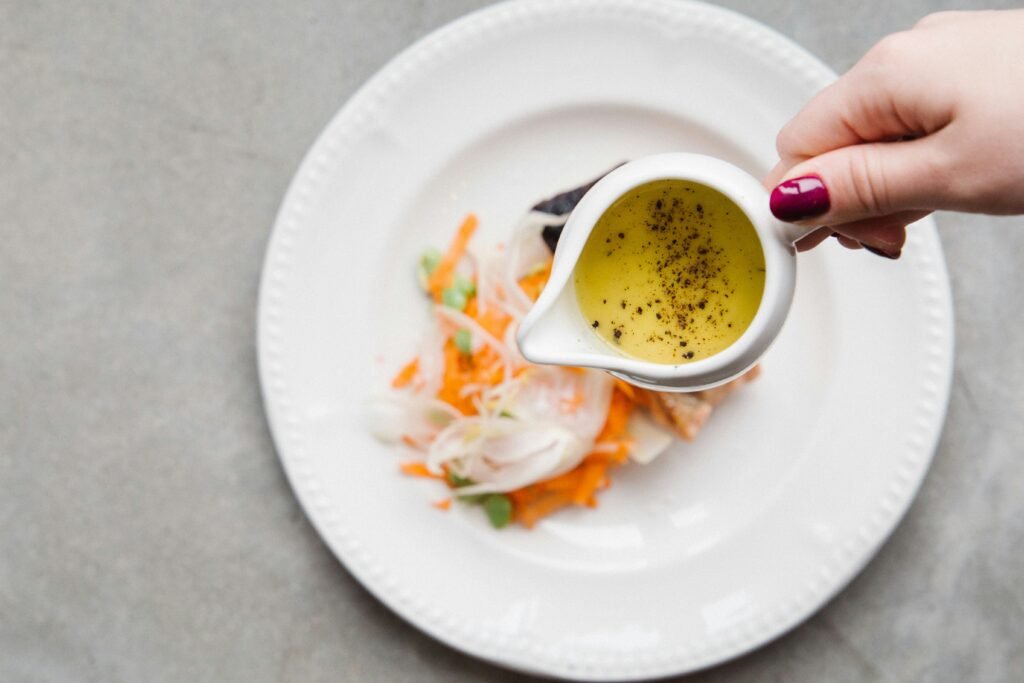
First, let’s look at the two most common types of dressings: vinaigrette and creamy. Most salad dressings have the same basic structure: a fat, something acidic, an emulsifier and herbs or other flavourings. Vinaigrette dressings use an oil (like olive oil) as the fat, whereas creamy dressings usually use mayonnaise or sour cream.
As a general rule, vinaigrette dressings are a better choice than creamy dressings, especially if you’re opting for a store-bought option (more on that later!). Creamy dressings tend to be higher in saturated fat, calories, sodium and added sugars.
Should I Buy or Make Fat-Free Dressings?
Fat-free salad dressings remove the most crucial ingredient in a salad dressing (the fat!), so they’re something you’ll want to avoid. Even though they have significantly fewer calories, a fat-free dressing doesn’t do you any favours.
Your salad needs a source of fat to absorb all of the fat-soluble nutrients in your salad (like beta-carotene). Plus, fat-free dressings usually make up for their lack of fat with extra sugars (which don’t do anything to complement the nutrients in your salad).
Homemade Versus Storebought
You can absolutely buy a healthy salad dressing, but salad dressings are also quick and easy to make at home. A store-bought dressing may give you more convenience and a longer shelf-life, but if you give homemade dressings a try, you’ll likely find they fit seamlessly into your meal prep.
Store-Bought Salad Dressings
There are a lot of options in the grocery store for dressings. Keep the following points in mind while you’re shopping for a salad dressing:
- Check the ingredient list. You’re looking for as few ingredients as possible (remember: all salad dressings really need are fat, acid and an emulsifier). Try to choose an option that doesn’t contain artificial preservatives or flavourings.
- Check the nutrient facts. In a 2-tablespoon serving, your dressing should have less than 250 mg sodium, less than 2-3 grams of added sugars and less than 2 grams of saturated fat.
- Skip the fat-free. Salad dressings should contain fat, so they’ll usually make up for it with unnecessary ingredients.
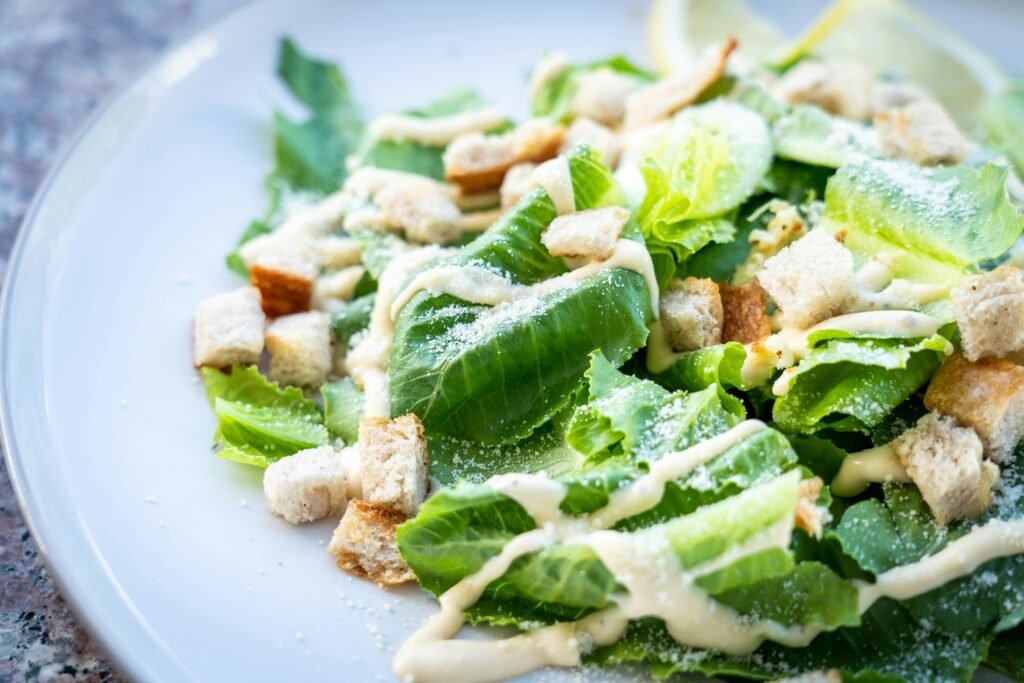
- Choose vinaigrettes over creamy dressings. Dressings like caesar, thousand island and blue cheese tend to be the highest in calories, saturated fat, sodium and added sugars.
- Check out the refrigerated section for dressings, where you might find a better selection of healthier options.
If you love a creamy dressing once in a while, choose a yogurt-based option instead of a sour cream- or mayonnaise-based option. Yogurt-based dressings are lower in calories, sodium and saturated fat, but still check the label and ingredients list!
Homemade Salad Dressings
Making your salad dressings at home is the best way to know you’re making choices that will support your weight loss goals. Lucky for you, homemade salad dressings are quick, easy and cheap. The most common emulsifier used in homemade dressings is dijon mustard, which keeps the oil and vinegar mixed together.
Here’s a basic recipe for a homemade salad dressing:
- ½ cup extra-virgin olive oil
- 3 tablespoons balsamic vinegar
- 1 tablespoon Dijon mustard
- 1 teaspoon honey or maple syrup
- ¼ teaspoon salt
- Black pepper to taste
This recipe makes approximately ¾ cup of dressing, but you can scale it up as much as you like. Homemade dressing keeps in the fridge for around two weeks, so it’s an excellent option for making a larger batch and having a jar ready for your fresh salads.
Takeaway
Homemade salad dressings are the best choice for meeting your weight loss goals. If you buy storebought, go for vinaigrette-style dressings with minimal ingredients and skip the fat-free options.