Nature is good for you. Period. Our understanding of nature’s effects on human health has evolved from a nice-to-have to a need-to-have, and an expanding body of literature supports the impressive health benefits of spending time outside.
You might assume that outdoor exercise is the key to these health benefits, but many fascinating studies on a practice called forest bathing suggest otherwise. The idea that simply being outside in natural spaces can be good for your health is a fascinating topic to uncover. And it’s entirely true!
What Is Forest Bathing?
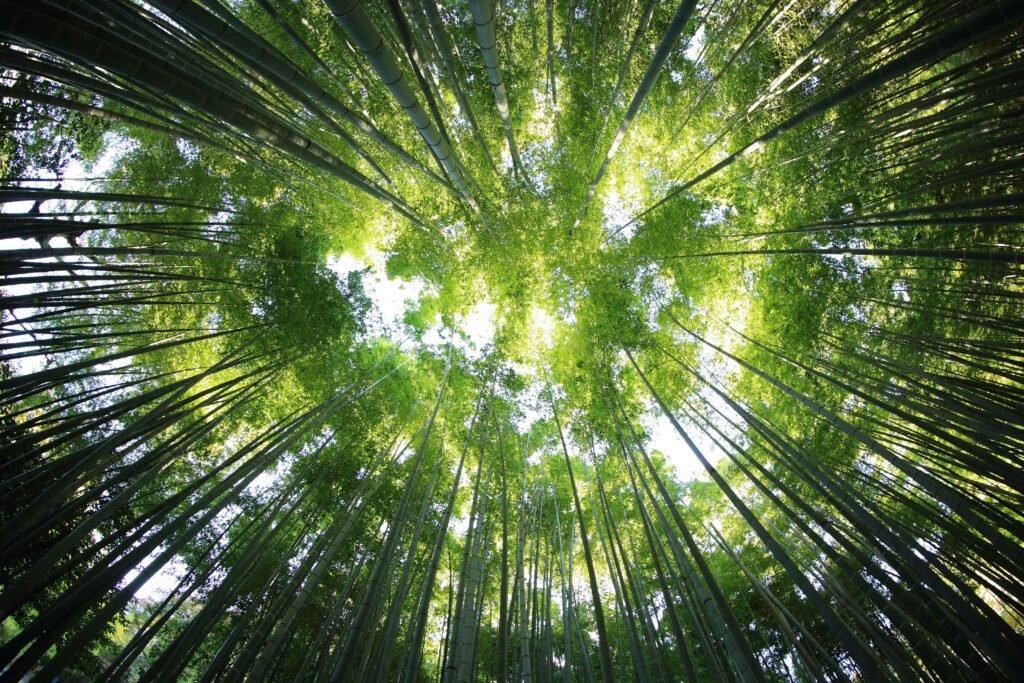
Forest bathing is a practice originating in Japan. It’s extremely simple, yet it seems highly impactful: you exist in a forest and pay attention to your surroundings with all of your senses. You could be walking or sitting, but your goal is to feel fully present in the natural world around you.
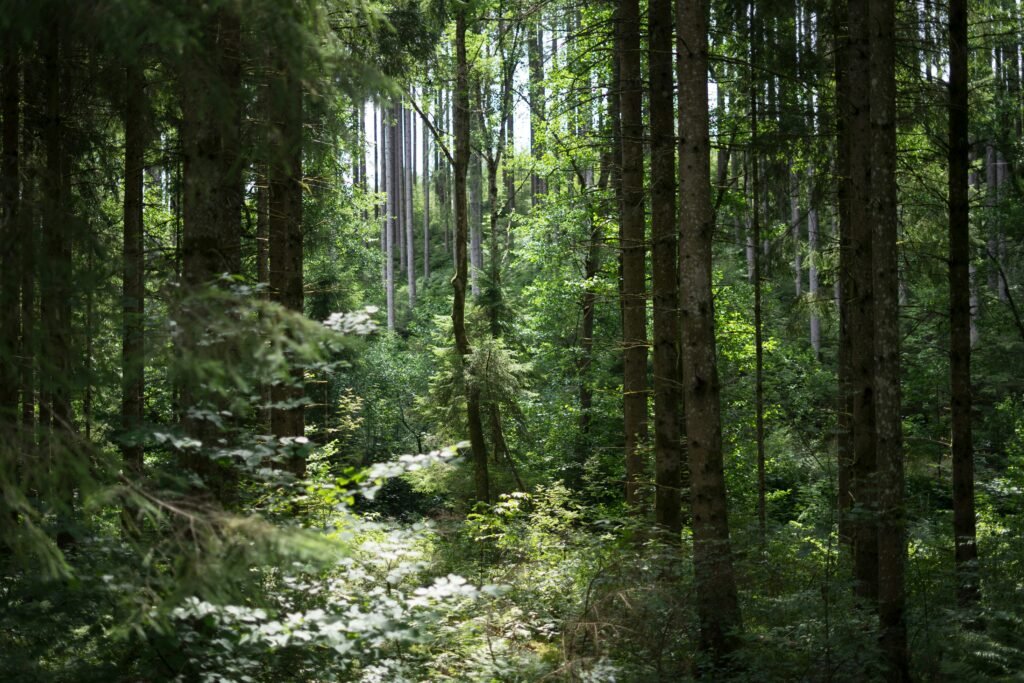
You can partake in forest bathing in any outdoor green space, whether it’s a trail in the woods or a park in the city, as long as you’re working on being present where you are. All too often, we go about our day-to-day lives without truly being present. And this lack of presence has likely negatively impacted our physical and emotional well-being.
Forest bathing differs from outdoor nature-based activities like walking or hiking mainly because of the goal. On a walk or a hike, the goal is typically to improve cardiovascular health through exercise or to reach a viewpoint or vista. With forest bathing, however, the goal is simply to be present in nature.
Both forest bathing and other outdoor activities are good for your health (and you’re already familiar with the health benefits of walking and regular exercise!). Throughout this article, we’ll focus on the benefits of forest bathing because it’s incredible what sitting down in a forest and paying attention can do for you.
Support Your Mental Health

Your mental health affects your overall quality of life. In a world that is constantly on the go, prioritizing your mental and emotional well-being is all the more important.
A 2020 systematic review and meta-analysis showed that forest bathing can reduce mental health symptoms, especially anxiety, in the short term. While the long-term effects of forest bathing are unknown, even short-term impacts on mental health can be hugely impactful.
Your sense of hearing may play a role in the relationship between nature and mental health. One study showed that participants experienced more mental restoration when there was a diverse birdsong chorus in the forest compared to a quiet forest. The more you pay attention, the more you will hear.
Interacting with nature is also beneficial for children and teenagers. A 2018 systematic review showed positive benefits such as improved emotional well-being, decreased ADHD symptoms, reduced stress and increased resilience.
Improve Your Sleep
Just like mental health, sleep significantly affects your overall quality of life. You may be concerned with the hours of sleep you get each night, but sleep quality is even more critical to reap all the benefits of deep, restorative sleep.
Research shows that nature-based interventions may improve sleep quality. In one study, participants completed a 7-day intervention by taking a daily 35-minute walk. One group completed this walk in a nature setting, while the other group completed the walk in a busy urban environment. Both groups experienced benefits, but the nature group showed more improvements in sleep quality and mood.
In another study, participants went for a weekly 2-hour forest walk for 8 weeks. The forest walks improved overall sleep, including actual sleep time, self-rated depth of sleep and sleep quality.
Boost Your Immune System
Spending time outside is a potent way you can up your immune system’s defenses (something you’re probably aspiring to, especially these days).
A 2021 systematic review showed that forest bathing trips can decrease pro-inflammatory compounds while increasing anti-inflammatory compounds. It also found an overall positive effect of forest bathing on increasing the number and activity of natural killer cells, a type of immune cell that contains enzymes that fight infection.
A group of Japanese researchers studied people who underwent nature-based interventions with a 3-day, 2-night trip to forest areas. They found that the nature-based intervention increased levels of natural killer cells, and people maintained these increased levels 30 days after the forest trip. This suggests that spending time in nature has a lasting effect.
Lower Your Stress
Stress allows you to be hyper-focused while facing a deadline, but prolonged stress can create a heightened state of awareness that can no longer switch off (also known as chronic stress). Cortisol is the primary stress hormone that regulates these physiological processes.
Chronically elevated cortisol levels can be related to adverse health outcomes such as high blood pressure, type 2 diabetes and other chronic diseases. High cortisol is also commonly associated with weight gain, and may make it extra challenging to lose weight.
In a 2019 systematic review and meta-analysis, authors found that forest bathing can decrease cortisol levels, suggesting a more gentle stress response in participants. A 2020 systematic review showed that nature exposure can decrease several stress markers, including cortisol levels, blood pressure, heart rate variability and muscle tension.
Increase Your Lifespan
Nature is powerful; so powerful that spending more time in it could affect your lifespan. In a study that followed over 100,000 women, those with the highest “average greenness” (meaning the highest exposure to green space) within 250 meters of their home had a 12% decreased mortality rate. Nearby access to green space makes getting outside accessible, allowing for outdoor physical activity, lower particulate matter in the air, and improved mental health.
Another study showed that people who live in communities with more access to green space tend to have lower all-cause and cardiovascular disease mortality. A study of European cities supports these findings: modelling indicates that green space interventions could prevent over 40,000 premature deaths each year.
How Much Time Should You Spend Outside?
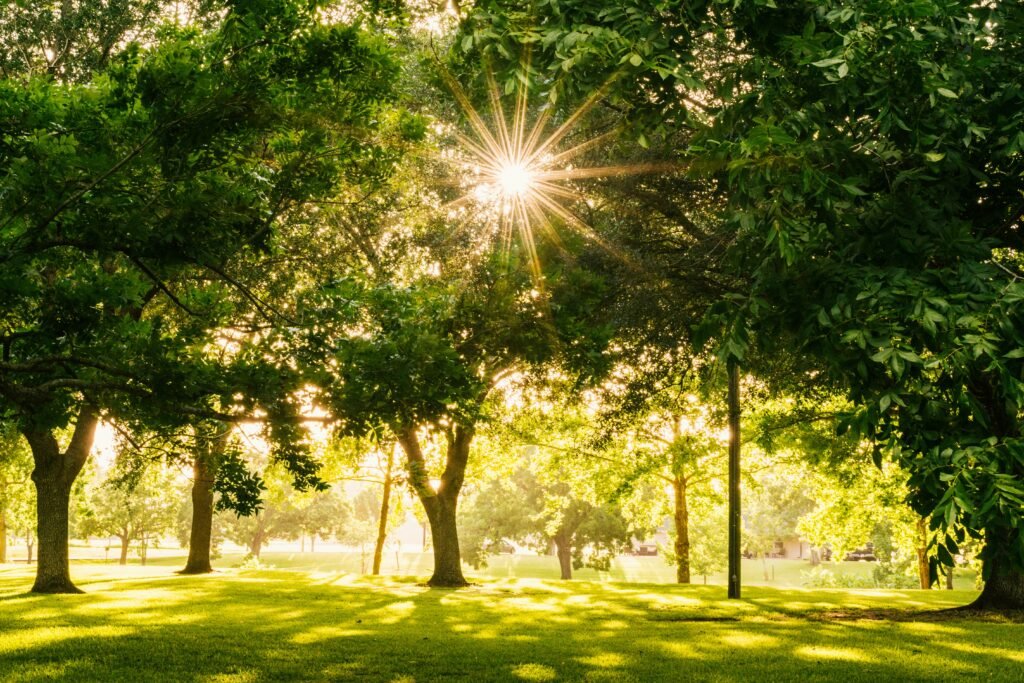
There’s no golden rule for how much time to spend outside, but you can’t really overdo nature. Studies on the effects of nature use varying levels of time outside, everything from 30 minutes a week to multi-day immersive nature experiences. However, one study points to the idea that 2 hours per week might be the magic number. Interestingly, it didn’t matter if people achieved the 2 hours through a single session or multiple smaller sessions.
Spending time outside daily is a great practice to cultivate, even if it’s just five minutes. Small bursts of time outside will be good for you, but to truly be present for a forest bathing experience, you’ll need to dedicate a bit more time. Try starting with just 15-30 minutes per week of dedicated “being outside” time. This time is separate from your other outdoor activities and is an opportunity for you to slow down, pay attention and be present.
Think of forest bathing a bit like a meditation, where you’re targeting presence and awareness in the natural world.
Takeaway
You can’t go wrong with spending more time outside. As a bonus, you can reap impressive health benefits from the simple practice of forest bathing. If you already get outside regularly, try to incorporate more stillness and presence into some of your outdoor experiences. If getting outside is new to you, find your nearest park, get comfortable and observe nature at work around you.