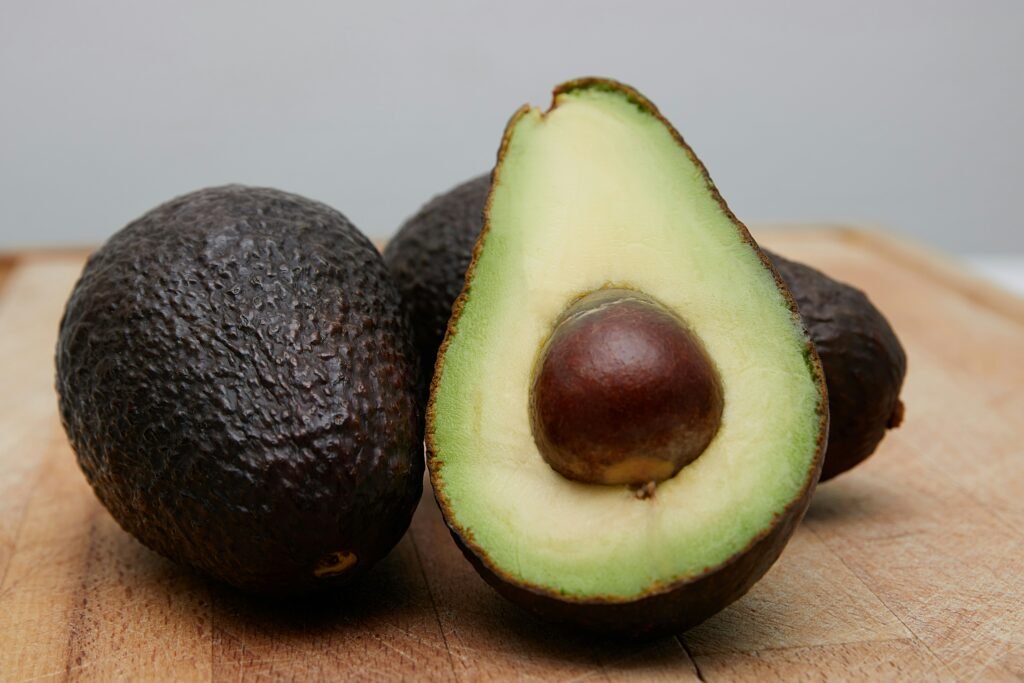
Avocado is a nutritional powerhouse, full of micronutrients and a unique combination of fat and fiber. While it can sometimes be hard to find the perfect avocado, the health benefits are well worth it. These versatile fruits (yes, avocados are a fruit!) make a fantastic addition to your day-to-day diet. Read on to learn about some of avocados’ most exciting health benefits.
A Note About Avocado Research
There is a lot of fascinating research on the health benefits of avocados, and we’ll discuss several randomized controlled trials in this article. However, it’s crucial to be aware of the role of funding in research, especially in the case of a food like avocados.
The Avocado Board is hugely active in funding research on the health benefits of avocados, and they have funded most of the studies we’ll discuss in this article. This isn’t necessarily bad, but it can increase the risk of bias, as the funders have a vested interest in finding a positive result. We also don’t know what research hasn’t been published; for example, if a study found a negative result, the paper may not have been published.
Keep these points in mind as you learn about avocados in this article. At the end of the day, avocados are unequivocally healthy, so there’s no need to fret about whether or not you should include them in your diet. But, the health benefits may not be as impressive as some study findings suggest.
Enhance Your Gut Health

You’re probably becoming increasingly aware of your gut health and its impact on your overall health as research uncovers more and more benefits of a healthy microbiome. One avocado gives you a whopping 14 grams of fiber, which is around half your daily recommended intake. Fiber intake is related to having a flourishing microbiome, which is essential for overall health.
One trial showed that regular consumption of avocado increases the abundance of bacteria in the gut capable of fermentation, which may be related to improved glucose tolerance. Avocado consumption also increases the amounts of short-chain fatty acids (SCFAs), compounds in the gut that are associated with metabolic health.
Decrease Your Risk of Cardiovascular Disease
You’ve probably heard the term “risk factor” in the context of cardiovascular disease. Risk factors are frequently discussed in health care, especially as the focus turns more and more toward prevention. Several risk factors are associated with a higher chance of getting cardiovascular disease.
So, anything you can do to reduce your risk of cardiovascular disease is probably worth your while. One of the most common risk factors for cardiovascular disease is the characteristics (size, shape and type) of your lipoproteins. Lipoproteins are a group of proteins that transport fats, such as cholesterol, around your body. Types of lipoproteins include:
- Low-density lipoprotein (LDL)
- High-density lipoprotein (HDL)
- Very-low-density lipoprotein (VLDL)
One randomized trial showed that avocado consumption decreases the total number of LDL particles and the number of smaller, denser LDL particles. The number and size of LDL particles are both associated with cardiovascular health. Another randomized trial showed decreased levels of oxidized LDL cholesterol (the type that tends to be most highly associated with adverse health outcomes) from daily avocado consumption.
Improve Your Glycemic Control

Glycemic control refers to how well your body manages your blood sugar levels. Having steady blood sugar control is crucial for your overall health and everyday things like mood and energy levels. Poor glycemic control is associated with several adverse health outcomes, such as diabetes.
One randomized trial showed that avocado consumption is associated with a trend towards improved glycemic control, including improved fasting insulin levels and decreased levels of a blood test called glycated hemoglobin, which measures your blood sugar control over time. However, other key measures of glycemic control, such as insulin sensitivity and fasting blood sugar, were not affected by avocado consumption in this study.
Help Control Your Weight

There’s no magic bullet for weight loss, but avocados seem to have something special. The specialness might have something to do with their unique combination of fat and fiber and their anti-inflammatory and antioxidant properties. Together, these properties likely contribute to the findings that avocado intake increases satiety (fullness) after a meal compared to carbohydrate intake. You can see how this could relate to body weight, given that people who feel more full and satisfied after a meal are less likely to overeat between meals or at their next meal.
Two studies (from 2019 and 2021) found that consuming one avocado daily for three months led to decreased abdominal adiposity compared to a meal with the same number of calories but no avocado. Another study looked at changes in body composition over time compared to avocado intake. They found that higher avocado consumption was associated with a trend for decreased weight gain as an adult.
However, when researchers tested the avocado-weight gain hypothesis in a large (1000 participants), multi-center randomized trial, they found that avocado consumption did not lead to a significant difference in abdominal adiposity. So, the jury is still out on whether or not avocados can help with weight loss, but it seems clear that they are unlikely to lead toexcess weight gain, despite being a calorically-dense food.
Boost Your Cognitive Function
Can eating avocado make you smarter? It’s not that simple, but there is some interesting research on avocado intake and cognitive function. Avocado is an excellent source of a nutrient called lutein, which is crucial for cognition and eye health.
A recent trial showed that daily avocado consumption increases serum lutein concentrations and improves accuracy in certain cognitive performance tests (but not others). A 2021 meta-analysis (combining data from multiple randomized trials) found that dietary lutein intake was associated with small improvements in attention, executive function and memory. How these effects translate into real-life improved cognition is unknown, but these are intriguing findings to consider.
How Often Should You Eat Avocados?

Many people are afraid of avocados’ fat content, which makes them a calorie-dense food. While it’s true that avocados are relatively high in calories (one avocado has approximately 320 calories), there’s no need to be afraid of the caloric density in this case!
Most of the calories in avocados come from fat, but the majority of the fat is monounsaturated, which is considered protective for your cardiovascular health. The quantity of fat you eat isn’t a very useful metric if we don’t look at the type of fat. In the case of avocado, you’re getting a relatively high quantity of heart-healthy fats, which don’t seem to affect the body in the same way as high intakes of saturated and trans fats.
Generally, you can eat up to one avocado per day. Almost all of the trials discussed in this article used the consumption of one avocado per day as their intervention. However, you likely don’t have to eat one avocado per day to see benefits (we recommend aiming for at least 2-3 times per week!). Plus, avocados are a seasonal fruit, so you may increase your intake while they are in season and decrease your intake while they’re not in season.
Takeaway
Avocados are creamy and delicious and pack a nutritional punch. We need to account for the limitations in industry-funded avocado research, but they are nevertheless an addition to your diet that you really can’t go wrong with.