The low-fat diet craze changed how people ate in a big, big way. But was it for the better? Did people adopt healthier eating habits? Did they have a lower risk of chronic diseases? You probably already know these answers, but let’s explore where our obsession with low fat came from, why it didn’t work, and what we learned from it.
What Was The Low-Fat Diet Based On?
The low-fat diet was born from research in the mid-1900s on fat intake and heart disease. The general rhetoric was that fat intake (especially saturated fat and cholesterol) contributed to rising heart disease rates.
The first-ever US dietary guidelines were published in 1977: The Dietary Goals for the United States. These guidelines were meant to tackle rising obesity, cardiovascular disease, diabetes and cancer rates. They were based on the evidence researchers and policymakers had available to them at the time. Still, they weren’t without controversy, and many clinicians and researchers disagreed with the overarching messaging in the guidelines.
If you ask most critics about this guideline, they’ll probably tell you that the entire guideline targeted fat intake. However, this is a widespread misconception. The guideline included seven goals, which addressed overall calories, complex carbohydrates, refined and processed sugars, total fat, saturated fat, cholesterol, and salt.
But it was fat intake that made it prominently into the public eye. Why? It likely wasn’t the fault of the researchers and policymakers, as many people think. Rather, the guideline created favourable circumstances for the food industry…
What Actually Happened During The Low-Fat Diet Craze?

Even though the dietary guidelines addressed much more than fat intake, the messaging to decrease fat and cholesterol took hold in the public eye. Why? A very clever move from the food industry, who saw an opportunity in the dietary guidelines.
Manufacturing of low-fat products skyrocketed in the 1980s in the wake of the dietary guidelines. The products were cleverly marketed and led to the long-held belief that low-fat and fat-free were synonymous with healthy.
Unfortunately for the public, the low-fat products typically contained the same number of calories as their fat-containing counterparts… just without the fat. But, fat makes things taste good, so to make up for not having any fat, most products included extra sugar or other refined carbohydrates.
The message was loud and clear: fat is bad, carbs are good. Messaging around different types of fats was also lost in translation, and most people took away the idea that all fats are bad. Cholesterol took an especially big hit, creating an entire generation of people who religiously ate eggs without the yolk.
Despite the complexity of diet and nutrition, the general public understood this: fat is the only nutrient you need to care about, and if you eat less fat, you will be healthy. But what did we miss out on? Fiber, antioxidants, high-quality proteins, nutrient-dense animal foods (like eggs, with the yolk!), and, of course, the essential fats our bodies need to thrive.
So Why Didn’t It Work?

Well, as it turns out, low fat isn’t everything it cracked up to be. And, it wasn’t all that good for us. Essentially, people replaced naturally fat-containing foods with highly-processed, low-fat or fat-free alternatives high in sugars and refined grains. This inadvertent rise in consumption of highly-processed foods had its own consequences, influencing chronic disease risk through several pathways, including promoting high energy intake, gut dysbiosis and inflammation.
On top of that, the low-fat diet didn’t differentiate between types of fat (and fat is actually an essential nutrient!). We all need fat to function, but all fats aren’t created equal:
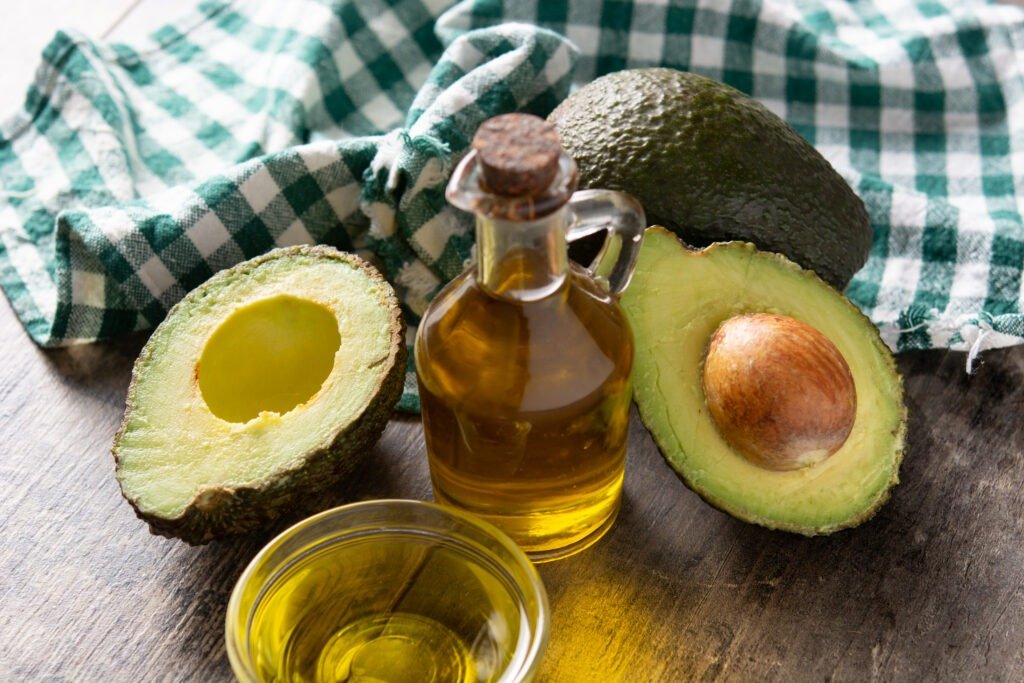
- Unsaturated fats include polyunsaturated fatty acids (PUFA) and monounsaturated fatty acids (MUFA). These fats have a chemical structure that makes them liquid at room temperature, and they are typically found in plant foods (e.g., olive oil, avocado, nuts, seeds and fish). Unsaturated fats are generally considered heart-healthy fats due to the associations seen in research between intake of unsaturated fats and decreased risk of cardiovascular disease. Unsaturated fats are involved in numerous crucial processes in the body, including supporting brain health, nerve function, cell signalling and the immune system.
- Saturated fats have a chemical structure that makes them solid at room temperature. They are typically found in animal foods and tropical oils (e.g., palm oil and coconut oil). The overall health effects of saturated fats are somewhat controversial; however, it seems clear that high intakes of saturated fat are likely detrimental to heart health.
- Trans fats exist in two forms: naturally occurring and artificial. Naturally-occurring trans fats are found in some animal foods and are not harmful to your health. Artificial trans fats, however, have established health consequences, including an increased risk of cardiovascular disease, diabetes and inflammatory diseases.
The low-fat diet craze paved the way to decrease fat intake through any means necessary, including pumping more artificial trans fats into the food supply and encouraging people to limit their intake of essential fats like PUFAs and MUFAs. Trans fats allowed people to continue to enjoy foods high in “bad” fats (like butter) as “heart-healthy” alternatives (like margarine).
The detrimental health effects of trans fat are possibly one of the only nutrition topics that comes without controversy. Evidence is unequivocal, and trans fats are now banned or severely limited in several countries around the world, including the US.
Research also evolved, as it does. We learned that dietary cholesterol wasn’t to blame for rising rates of heart disease, and removing the egg yolk for all those years was really just causing people to miss out on important nutrients. Interestingly, the cholesterol controversy existed even back in 1977 – the forward to the dietary guidelines contains a fascinating discussion of differing opinions on cholesterol and highlights the doubts amongst many researchers at the time.
So, to sum up: overall fat intake went way down, but consumption of trans fats, sugars and refined grains skyrocketed.
What Did We Learn?
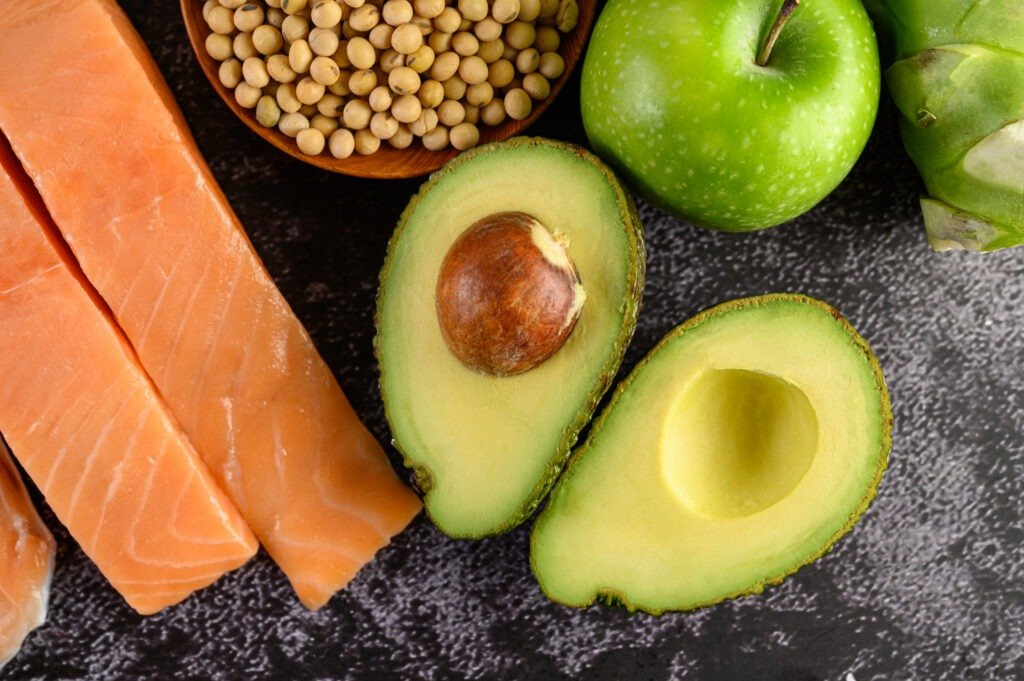
The low-fat diet is a prime example of a concept in nutrition called reductionism. Reductionism cherry-picks one single thing and makes an entire ideology out of it, which is exactly what happened in the 1980s. Being healthy was reduced to the overly simplified concept of not eating very much fat. But, this blatantly ignores the complexities of how and why we eat and the complexity of food itself.
Unfortunately, the diet industry continues to thrive on this practice of reductionism, where specific nutrients get labelled as “good” or “bad” (even though the low-fat diet craze clearly demonstrated this practice doesn’t end well!). As dieting’s hold on the general public slowly loosens, we’re hopeful that we’ll find ourselves moving away from single nutrients and into a way of eating that is intuitive, nourishing and based on whole foods instead of single nutrients.
Takeaway
The low-fat diet, fueled by the food industry, was heavily adopted in the late 1900s in an effort to reduce chronic disease rates. Instead, it led to a considerable increase in the consumption of highly-processed foods, including trans fats, sugar and refined grains. The low-fat diet craze was flawed for many reasons, but it leaves us with numerous lessons we can apply to how we approach nutrition today. The ultimate takeaway: we eat foods, not single nutrients.