Macronutrients usually get the spotlight when people talk about weight loss. Eat more of this macronutrient; eat less of that one (which one fits where depends entirely on who you’re listening to!). But talking about macronutrients often gets overly simplified and misses two other crucial concepts: energy density and satiety. Both energy density and satiety are linked to overall energy intake and, therefore, your weight.
What Are Macronutrients?

Before getting into energy density and satiety, let’s get clear on macronutrients. You probably already know this, but it’s important to establish these definitions before delving into more complex topics.
There are three main macronutrients: protein, carbohydrate and fat. Macronutrients are called “macro” because we need them in relatively large quantities. This is in contrast to micronutrients, which we need only in very small quantities.
The macronutrients you eat in food provide the energy you need to live and thrive in your day-to-day life. Manipulating macronutrients in some way is a common weight loss practice, but there’s more to the story. By the end of this article, you’ll understand how energy density differs between macronutrients, how this relates to your satiety, and why we mustn’t lose sight of the actual food that we eat.
What Is Energy Density?
Energy density is the energy in a specific amount of food, expressed in calories per gram. Each macronutrient has an average energy density.
- Fat: 9 calories per gram
- Protein: 4 calories per gram
- Carbohydrate: 4 calories per gram
As you can see, fat is the most energy-dense macronutrient, and protein and carbohydrates are approximately half as energy-dense. For example, 30 grams of pure fat has about 270 calories, whereas 30 grams of pure protein has about 120 calories.
It’s also important to know how fiber and water contribute to energy density, even though they are not technically considered macronutrients.
- Fiber: 1.5-2.5 kcal/g
- Water: 0 kcal/g
Manipulating a meal’s water and fiber content is one strategy for lowering energy density, which we’ll discuss later.
In reality, most foods contain a mixture of macronutrients, including fiber and water, so calculating energy density takes into account the proportion of each of these nutrients the food contains.
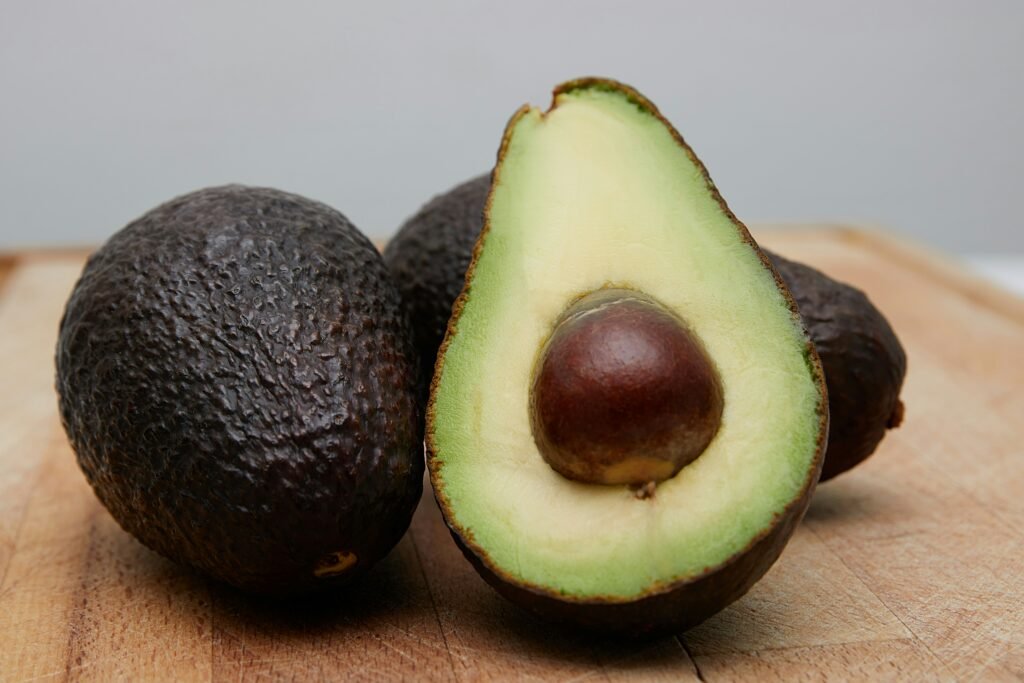
High energy density means you get a larger amount of calories in a smaller amount of food. Low energy density means you get a smaller amount of calories in a larger amount of food. While high energy density might sound inherently unhealthy, that’s not always the case – superfoods like nuts, seeds, extra-virgin olive oil and avocado are all high energy density foods. You can (and should!) incorporate these foods into a healthy diet to complement the lower energy density foods that make up the bulk of your intake.
The high energy density foods we’re more concerned with limiting are foods like deep-fried foods, sweets, creamy sauces and cheese. These foods generally promote over-eating due to the effects of different energy densities and their palatability on satiety.
What Is Satiety?
Satiety is a biological process that suppresses hunger after eating; it’s part of the body’s appetite control system. You can think of it as the feeling of fullness you get after a meal. This feeling of fullness and satisfaction typically prevents you from eating again immediately after a meal.
The definitions are simple, but the actual process is a complex interaction between physiological signals and psychological, environmental and social influences. Here’s a basic description of the cascade of factors that affect satiety:
- The first influences on satiety come from sensory and cognitive factors, such as smell, appearance and expectations about the food or meal.
- Once food reaches the stomach, signals travel to the brain to tell it that the body received energy. Stomach distension is one of the main factors influencing satiety in this stage.
- Once digested food reaches the intestines and nutrient absorption starts, the gut releases hormonal signals, communicating with the brain that the body is receiving nutrients.
- All these signals are integrated within the brain, leading to an eventual message that says, “you are full; stop eating.”
We have a highly effective physiological mechanism for controlling our food intake; however, we all know it’s not that straightforward because our environment, habits and routines can all overpower our appetite control system.
Factors that affect satiety include:
- The presence of others while you eat (including how much other people eat)
- Eating environment
- Distractions while eating
- Appearance and smell of food
- Portion size
- Palatability and appeal of food
- Availability of foods and drinks
After reading all the factors that can affect your satiety, it should be no surprise that the satiety response is highly variable from person to person. It should also make sense why satiety is particularly important for weight loss, with many researchers seeking ways to enhance the satiety response.
What’s the Connection Between Energy Density and Satiety?
We’ve established that many external factors can influence satiety, but when it comes to the food itself, the most important characteristic is the food’s energy density.
Recall that fat is the most energy-dense nutrient with an estimated 9 calories per gram, but it is the least satiating. That means that consuming fat gives you the most calories with the least feelings of fullness. Protein is less energy-dense, but it is the most satiating. Carbohydrate has the same energy density as protein, and its satiating effect falls somewhere between protein and fat.
So, fat- and carbohydrate-containing meals are generally less satiating than higher-protein meals. This means you are more likely to overeat fat and carbohydrates than protein.
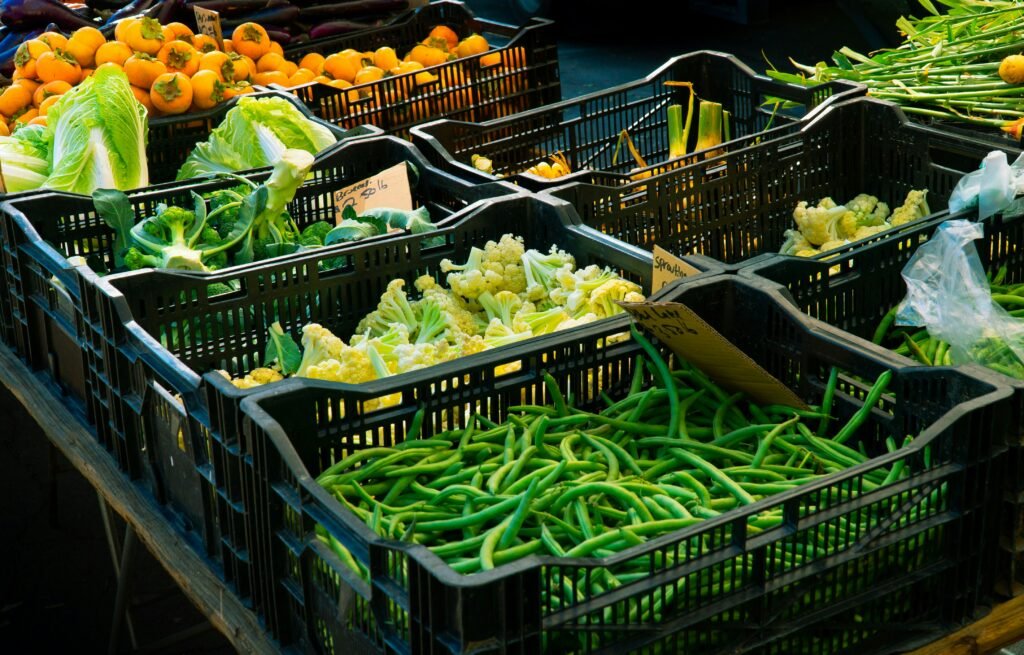
Remember that we also discussed water and fiber being low energy density food components. Both water and fiber content are highly satiating because they add bulk to a food without adding many (or any) calories.
Energy density also affects how fast you can eat a food or a meal. Quickly devouring food doesn’t give your body time to register its fullness and send and integrate all those signals you learned about in the previous section. Many foods with low energy density simply aren’t conducive to eating quickly, forcing you to slow down, enjoy your food and actually feel your fullness.
To sum up: lower energy density generally means you feel more full because you’ve eaten a larger amount of food more slowly. Higher energy density foods don’t fill you up as quickly and are easier to overeat.
Why Do We Care About Energy Density and Satiety for Weight Loss?

We often focus on macronutrients for weight loss: eat more protein, eat less fat and carbohydrates, or any combination of these nutrients, depending on your specific diet. However, looking at the macronutrients alone ignores several essential parts of the picture and you now know that energy density can affect how much you eat, how quickly you eat, and how full you feel after your meal.
Some research suggests that consuming a low energy density food at the beginning of your meal (in research, this is called a “pre-load”) reduces overall energy intake at that meal. Another study showed that the combination of fast eating rate plus high energy density foods led to the highest energy intake compared to slower eating with lower energy density foods.
Many high energy density foods are also highly palatable and often packaged in ways that make them easy to eat quickly, in large quantities. These foods usually combine fat and carbohydrates with minimal protein, fiber or water. This creates the ultimate opportunity to overeat and explains why limiting highly palatable convenience foods is probably the only thing that different diets can agree on.
Understanding how different foods can help promote feelings of fullness and prevent overeating is a helpful tool to have if you are looking to lose weight.
Bringing It Back to Food
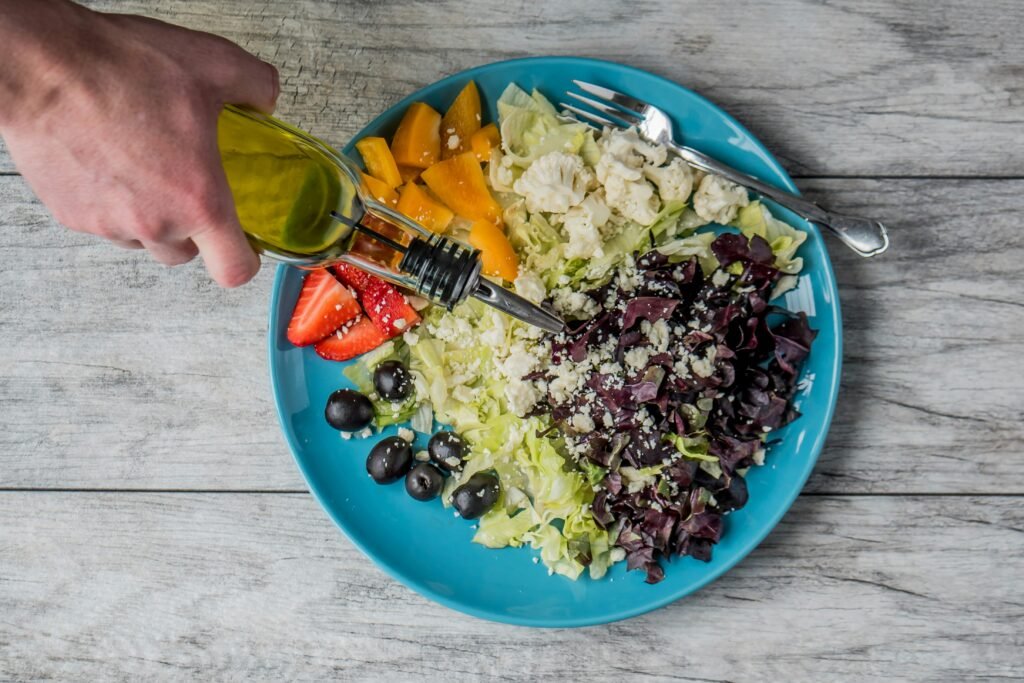
You don’t eat macronutrients; you eat food. So how do macronutrients, energy density and satiety all relate back to food? The idea is to learn to build a highly nutritious meal that uses a base of low-energy-dense foods with some healthy energy-dense foods as add-ons.
Here’s what you’ll want to focus on when you plan your meals:
- Include protein foods at each meal. Protein is the most satiating of the three main macronutrients, so don’t skip it.
- Up the fiber content of your meals with fruits and vegetables.
- Include foods with higher water content in your meals, such as fruits, vegetables and stock-based soups.
- Add in smaller amounts of healthy, higher energy density superfoods to create a balanced meal, such as extra-virgin olive oil, avocado, nuts and seeds.
Here are some practical examples of how this could look:
- Eat apple, pear, orange or melon slices before a meal.
- Have a stock-based soup before a meal. This is an especially useful strategy when eating out, as you’ll be less likely to overeat at your meal.
- Eat your salad first. Salad has high water and fiber content, so it’s a great way to up your vegetable intake (major superfood bonus points) and reduce your overall energy intake.
Beyond that, take the time to be mindful when you eat. Try to eat without distractions, pay attention to your food, and actually enjoy your meals. Doing this lets you understand how you feel when you’re starting to get full and helps you listen to your body’s signals.
Takeaway
Thinking beyond macronutrients and considering the energy density and satiating effects of the foods you eat can help you make progress with weight loss. Plan your meals around lower energy density foods with healthy, more energy-dense add-ons to create balanced and highly nutritious meals.