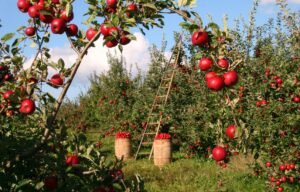
A healthy diet includes a variety of fruits and vegetables. That’s possibly the only statement that the nutrition world (mostly) agrees on. Science has shown time and time again that diets higher in fruits and vegetables have health benefits, especially when it comes to decreasing the risk of chronic disease.
But how many times have you stocked up on produce only to find sad, wilted spinach in the back of the crisper two weeks later? Learning how to store your produce correctly will help you eat more fruits and vegetables, decrease food waste and save money.
Produce Storage Basics
The fridge is the most common go-to storage location for produce, but unfortunately, it’s not that simple, and some produce won’t be happy in the fridge. Different fruits and vegetables have different temperature, moisture and airflow preferences that best suit their freshness. So, learning the ideal storage environment for your favourite fruits and vegetables can be a game-changer.
Certain produce, especially fruits, give off something called ethylene gas as they ripen. This gas is why you may have heard the trick of storing unripe avocados next to ripening bananas. So, this gas can be handy when you want to ripen something quickly, but it can also lead to quicker spoilage of more delicate vegetables like leafy greens. That’s why fruits and vegetables are often stored separately (more on that later!).
In general, you should store produce unwashed. Even though it’s possible to wash your produce as soon as you bring it home, any moisture left on the produce from washing will immediately contribute to it going bad faster. Instead, we recommend washing your produce with running water right before use.
Another tip: learn to pick the freshest produce at the time of purchase. Check for signs that produce is old, such as wilting leaves, brown spots, wrinkles or signs of dehydration. These foods simply won’t last as long because they’ve already had a head start on going bad. If you notice some signs of spoilage once you’ve got your produce home, remove those pieces before storage (you’ve probably seen what happens when a rogue mouldy berry quickly contaminates your whole container!).
Storage and Nutritional Value
Fruits and vegetables contain crucial nutrients, including antioxidants and other bioactive plant compounds. However, the content and bioactivity of these nutrients decline over time. Paying attention to how you store your fresh produce ensures that it stays as fresh and full of beneficial plant compounds as long as possible.
Here are some examples of how storage conditions affect nutritional value:
- Strawberries maintain a higher level of antioxidant activity and higher levels of beneficial bioactive compounds in a fridge temperature of 40°F (5°C) versus higher temperatures.
- For lettuce and other delicate leafy greens, total antioxidant activity, vitamin C levels and phenolic compound levels are better preserved when stored between 32-36°F (0-2°C) for up to 6 days.
- In tomatoes, lycopene (a powerful antioxidant) content is 1.8 times higher in tomatoes stored between 59-77°F (15-25°C) versus 45°F (7°C).
Produce That Likes to Live in the Fridge
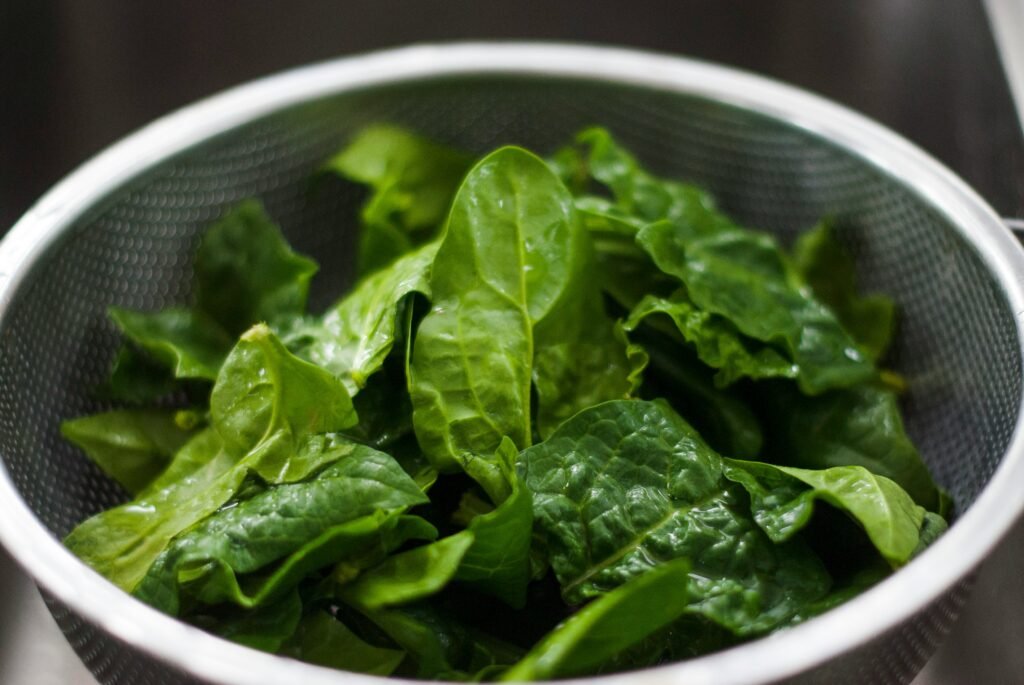
Your fridge has a drawer (or drawers) specifically designed to store fruits and vegetables. But, most of us don’t pay much attention to properly using this drawer. Whether you’ve crammed your crisper with a mixture of fruits and vegetables or it’s become a storage drawer for something else entirely, learning to use your crisper properly can significantly impact how long your produce stays fresh.
Firstly, don’t overfill your crisper; aim to keep it around two-thirds full. If a crisper is too full, the produce won’t be able to breathe, and it will spoil faster.
Crispers have vents that allow airflow and help control the humidity. Many crispers have adjustable vents, so you can decide how much humidity you want. Less airflow (closed vents) means more humidity; more airflow (open vents) means less humidity. If you have two side-by-side drawers, you can set one at high humidity and one at low humidity.
Generally, fruits produce ethylene (except for some berries), and vegetables are sensitive to ethylene; therefore, storing fruits and vegetables separately is a good rule of thumb. Store ethylene-producing fruits and vegetables (such as apples, apricots, honeydew melons and peaches) in the low-humidity drawer. The crisper helps to trap the ethylene gas and prevents it from reaching your other ethylene-sensitive produce. The high-humidity drawer is perfect for leafy and thin-skinned vegetables (such as lettuce, asparagus, fresh herbs and summer squash) that need a bit more moisture to stay hydrated and fresh.
If you only have one produce drawer, it will be a high humidity drawer by default, so it’s a home for your vegetables. You can store fruit elsewhere in the fridge in breathable containers or produce bags.
Here’s a list of produce that wants to live in your fridge:
- Apples
- Asparagus
- Berries
- Broccoli
- Carrots
- Cauliflower
- Cherries
- Fresh herbs
- Grapes
- Leeks
- Lettuce and other leafy greens
- Melons (once sliced)
- Peas
- Pomegranate
- Summer squash
Produce That Loves Your Countertop
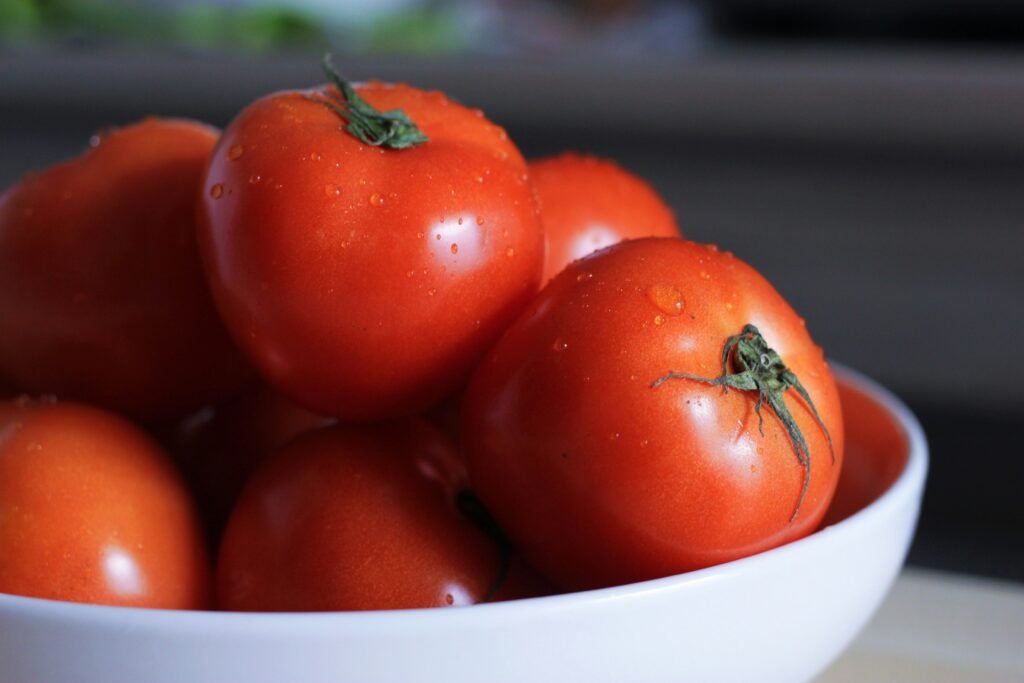
Your countertop is reserved mainly for ripening fruits. Fruits ripen with a sweeter flavour at a warmer temperature, so you’ll want to ripen them on your countertop and not in the fridge. Once your fruit is ripe, you can move them to the fridge if you aren’t going to eat them right away. Once ripe, the fridge will help maintain freshness and slow spoilage.
Here’s a list of produce that loves your countertop:
- Avocado
- Bananas
- Lemons
- Limes
- Mango
- Melons (before slicing)
- Pineapple
- Stone fruits (i.e., nectarine, peach, apricot, plum)
- Tomatoes
Produce That Wants a Cool, Dark Place
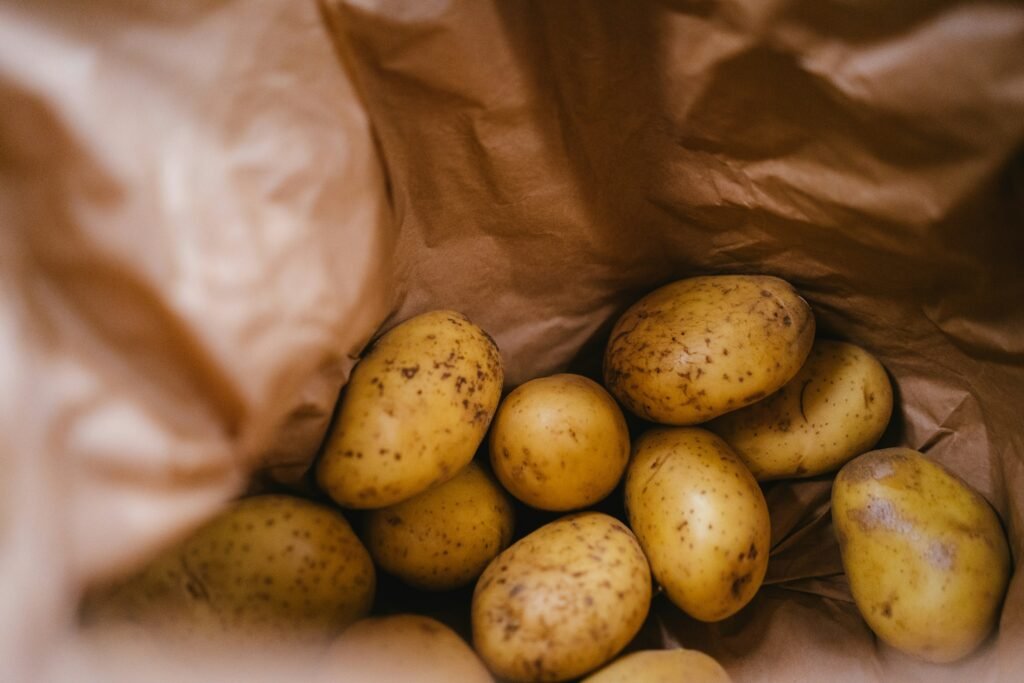
A cool, dark place is the perfect environment for long-term storage produce. Low temperature and low light prevent damage to the produce that can cause early spoilage.
These foods also don’t like humidity, so avoid storing in plastic bags or containers that don’t have airflow. Instead, use a basket, cardboard box, paper bag or mesh bag. If you notice anything going mouldy, it’s a sign that you’ve got too much humidity in your storage spot, so you’ll want to try out some other areas.
Here’s a list of produce that wants a cool, dark place:
- Garlic
- Onions
- Potatoes
- Pumpkin
- Sweet potatoes
- Winter squash
Not Going to Eat All Your Produce? Use the Freezer!
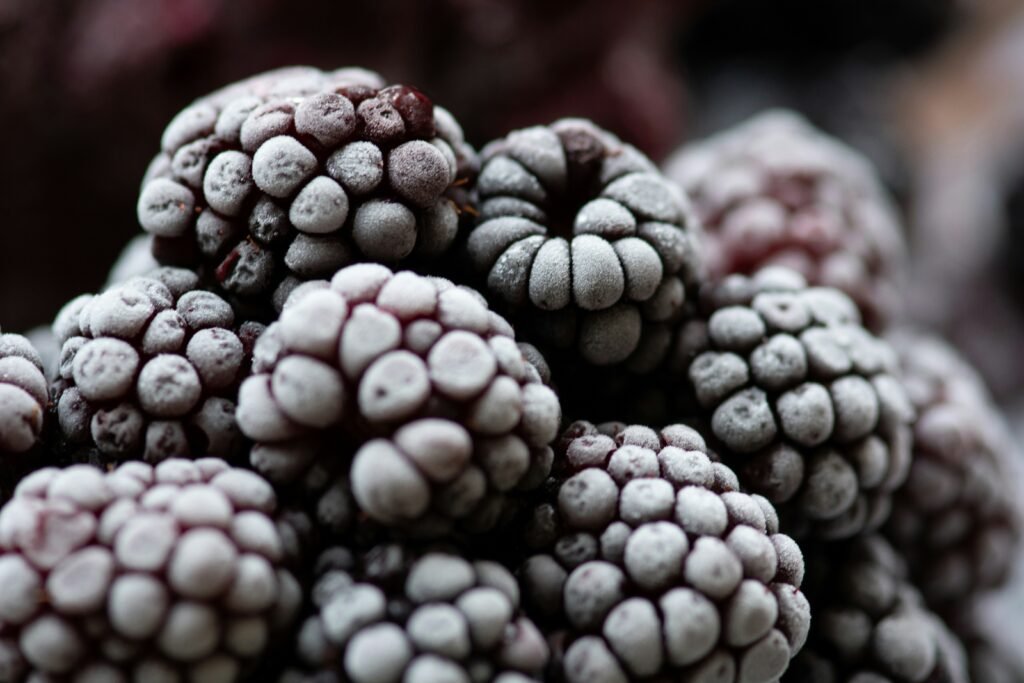
You may not have considered freezing your own produce, but this is absolutely an option. Frozen fruit is fantastic for smoothies, and frozen vegetables are great to have on hand for a quick stir-fry or side dish. Buying and freezing in-season produce can also save you money and give you access to high-quality produce even when something is out of season.
To freeze fruit:
- Chop the fruit into pieces of your desired size.
- Place in a single layer on a baking tray and freeze until solid.
- Transfer to freezer-safe containers or bags.
To freeze vegetables:
- Chop the vegetables into pieces of your desired size.
- Bring a large pot of water to a boil and blanch the vegetable pieces. Most vegetables need only 1-3 minutes of blanching.
- Transfer the vegetables to a large bowl of ice water for rapid cooling.
- Drain well and pat dry.
- Place in a single layer on a baking tray and freeze until solid.
- Transfer to freezer-safe containers or bags.
Takeaway
All produce isn’t created equal when it comes to storage conditions – some like the fridge, some want to ripen on the counter, and others want to live in a cool, dark place. Learning to store your produce correctly reduces food waste, saves money, and lets you eat the healthiest produce possible.