There are thousands of supposed “tips and tricks” for weight loss out there, but you don’t often hear about specific (and science-backed!) strategies you can use at meals to help you achieve your weight loss goals. As it turns out, there are ways to use certain foods and the order you eat your food to impact your hunger, fullness and blood sugar response to your meal.
Eat Eggs for Breakfast a Few Times per Week
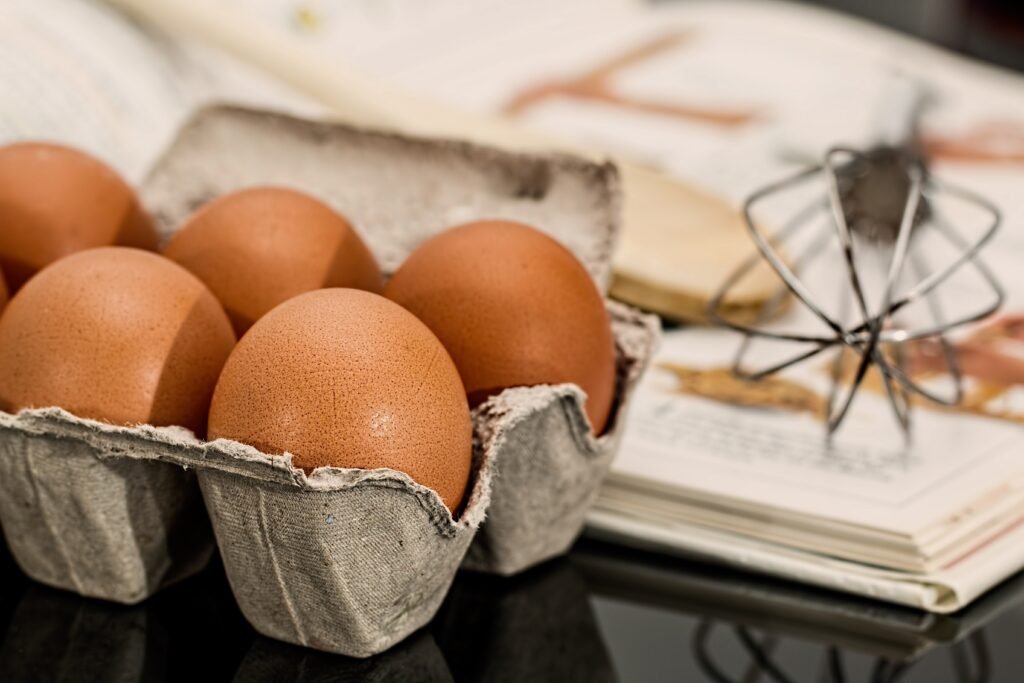
Eggs make a delicious breakfast, but did you know they’ve also got calorie-reducing benefits? Eating eggs at breakfast increases satiety, which is how full you feel after your meal. Setting yourself up to feel full and satisfied after breakfast affects your intake for the rest of the day.
One study found that participants who ate eggs for breakfast consumed 110 fewer calories at lunch than those who ate bagels. This effect persisted over the next 24 hours – the bagel group ate 400 more calories than the egg group. Another study replicated these findings – participants ate 180 calories less following an egg breakfast than a cereal breakfast.
How can eating eggs influence your food intake like this? Well, one proposed theory is that certain foods, including eggs, can affect the body’s production and secretion of a hormone called GLP-1. This hormone is responsible for several critical processes, including regulating blood glucose levels, ghrelin production (the hunger hormone), and, therefore, appetite and food intake.
Have a Smart Starter Before Your Home-Cooked Meals
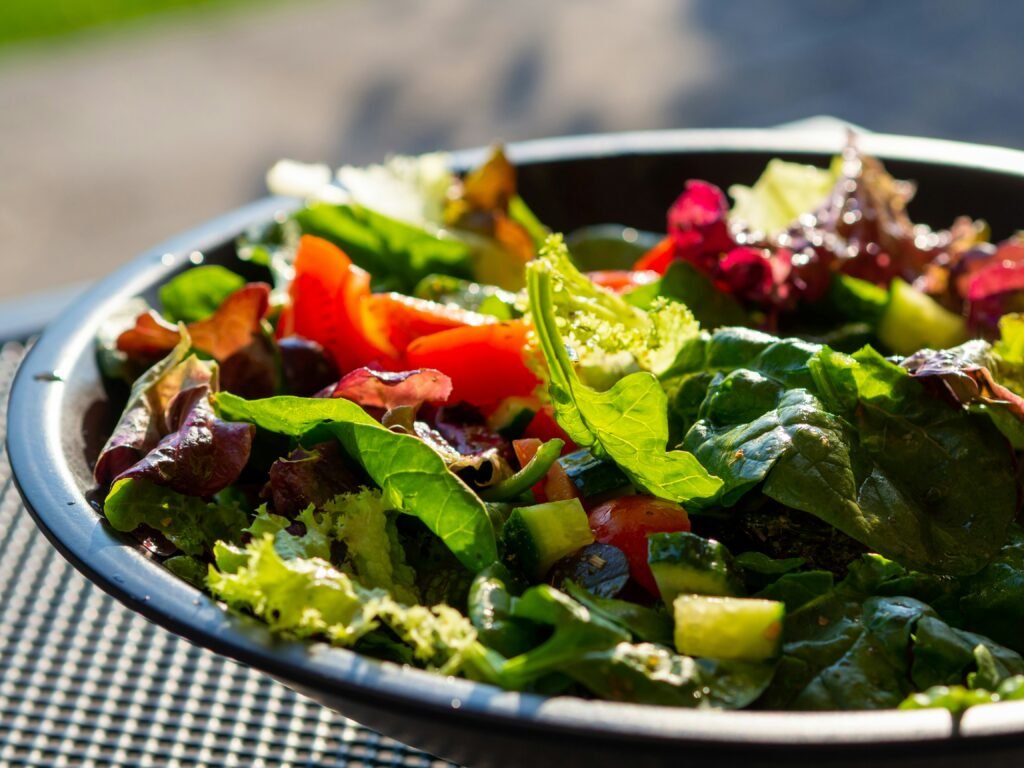
You might think of starters as foods that add extra calories to your meals, but choosing a smart starter can decrease your energy intake at your meal. In nutrition science, this is called a “preload.”
A preload meal that contains high water and fiber content decreases energy intake at mealtime. Low-energy-density soups and vegetables are the most effective preload foods.
Here is an example of how a low-energy-density vegetable dish, such as a salad, can impact your weight loss:
- Increase feelings of fullness, leading to decreased caloric intake at subsequent meals.
- Increase the body’s antioxidant capacity, which can help to reduce inflammation.
- Decrease the glycemic impact of the next meal, which can help improve blood sugar control (more on how this affects weight later!).
Don’t Drown Your Salads
We just mentioned that salads are a great starter option to help decrease your calories, but the keyword from above was low-energy-density. Salad dressing can quickly take a healthy salad to a calorie-packed meal without you even realizing it.
A salad dressing should enhance the flavours of your salad, not drown it. Unfortunately, we often see salads swimming in dressing, which can significantly contribute to your calorie intake.
Choose oil-based dressings more often than creamy ones (usually made with mayonnaise, buttermilk or sour cream). For a standard salad, one to two tablespoons of dressing is typically all you need, provided that you’ve made a salad using fresh ingredients and interesting flavours.
At home, homemade dressings are the way to go. They are quick and easy and require only a couple of ingredients: extra-virgin olive oil and an acid, such as vinegar or lemon juice. When you are eating out, opt for the oil-based option and ask for the dressing on the side so you can control how much you add.
If you purchase a ready-made dressing, find an option with 100 calories or less for a two-tablespoon serving. Avoid the low-fat or non-fat dressings, as they often make up for the lower fat content with significantly more added sugar and sodium.
After Vegetables, Eat Your Protein

After your vegetable-based starter, eat your protein foods. Protein foods help you feel more full, so they are the best option to start your main meal. Eating protein foods first also helps to level out the blood sugar response you’ll get from your meal, contributing to better blood sugar control.
A recent study tested the impact of different orders of eating vegetables, protein and carbohydrates on blood sugar levels. The most favourable food sequence was vegetables, followed by protein and then carbohydrates. The effects were significant: the blood sugar peak was approximately three times lower than eating carbohydrates first, followed by protein and vegetables together.
Blood sugar levels are intimately related to insulin levels. When blood sugar goes up, insulin goes up. Insulin lets some of the sugar into cells to use as an energy source, but the excess sugar gets shuttled to fat cells for storage and, therefore, weight gain. Better blood sugar control also helps prevent mood swings, cravings, and overeating, so it’s definitely something you want to have on your radar.
Takeaway
There are simple but effective mealtime strategies that can impact weight loss. From choosing eggs for breakfast a few times per week to paying attention to the order you eat your foods, you can influence your feelings of hunger and fullness and achieve stable blood sugar control, setting you up to be successful with your weight loss goals.