
Probiotics are one of the ways you can support your gut microbiome. You may picture a pill or a sachet when you think of probiotics, but there are also food-based probiotic sources. Specifically, probiotics show up in fermented foods. And one of the easiest DIY fermented foods: sauerkraut!
What Is Sauerkraut?
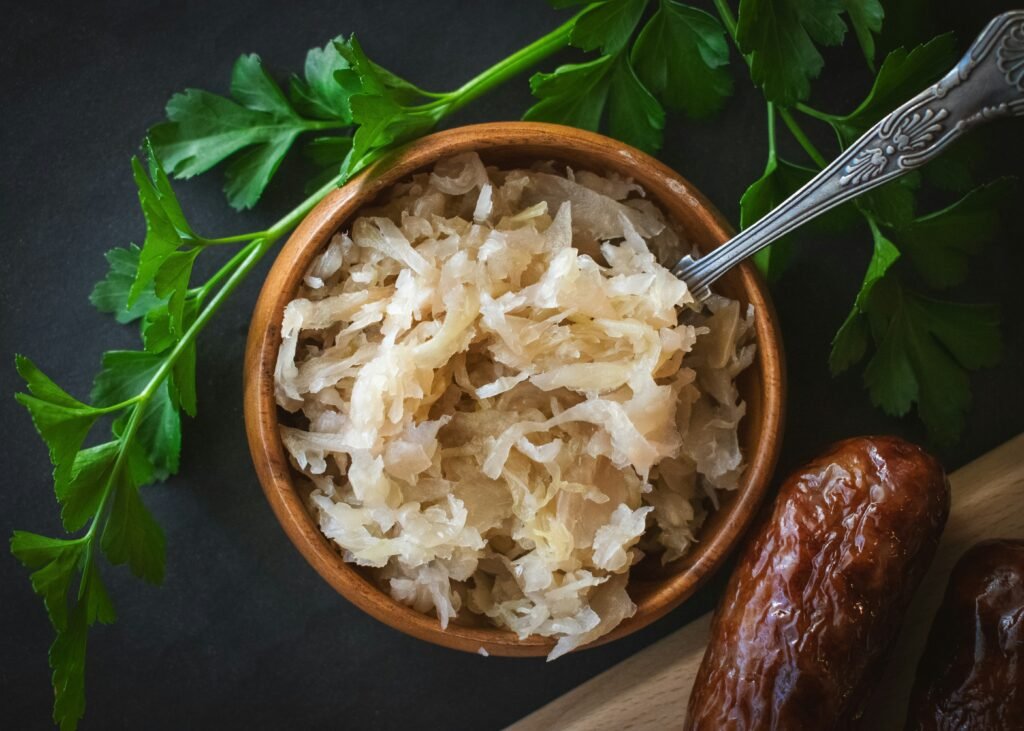
Sauerkraut is a type of fermented cabbage. It undergoes a process called lactic acid fermentation, which leads to the creation of probiotics. It’s usually associated with Germany, but it actually originated in China over 2000 years ago as a method to keep food from spoiling. The flavour of sauerkraut is tangy, and it has a crunchy texture.
Is Sauerkraut Nutritious?
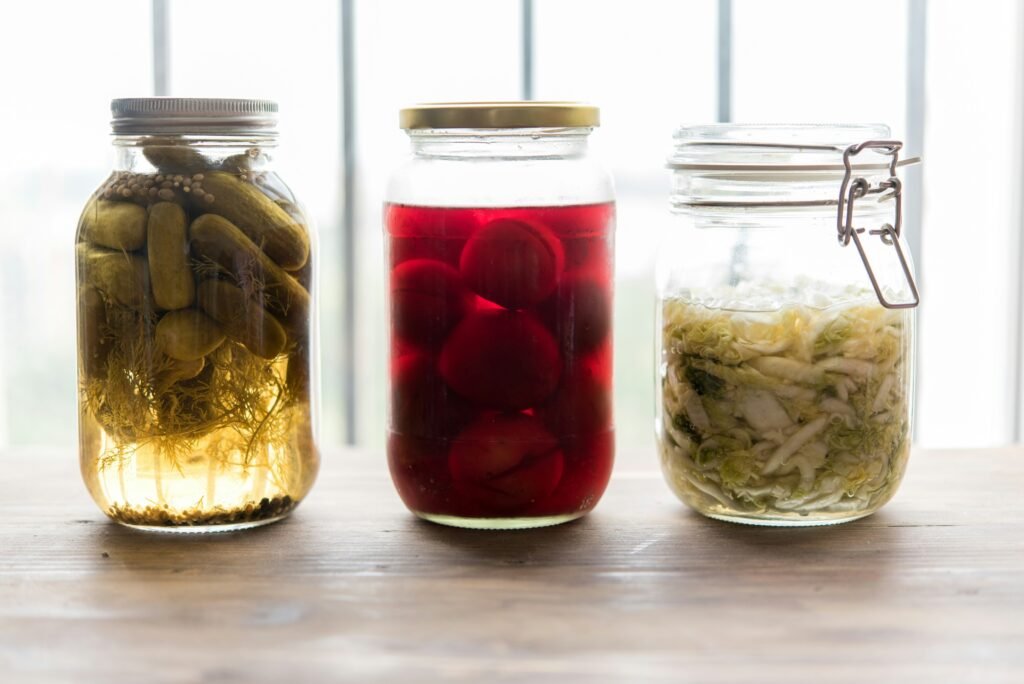
In addition to being an excellent source of probiotics, it’s also packed with nutrients. Sauerkraut is rich in vitamin A, vitamin K, vitamin C and B vitamins.
The main probiotics in sauerkraut are lactic acid bacteria, also known as LAB. In one study that analyzed sauerkraut products from three countries, the microbial count ranged from 1000 to one hundred million colony-forming units (or CFUs) per gram. You can compare this to most probiotic supplements that contain at least one billion CFUs per serving.
The take-home message here is that the probiotic content of sauerkraut varies widely between products. There’s no way to know the exact probiotic content of a homemade product, but you will be consuming gut-friendly compounds.
Are There Studies On Sauerkraut Consumption?
Only a few, so far.
A small, randomized trial in 2018 looked at whether sauerkraut could improve symptoms in people with irritable bowel syndrome. After 6 weeks, participants consuming sauerkraut had improved microbial diversity and decreased self-reported symptoms. Another small randomized trial in 2022 showed that consuming 100 grams of fermented vegetables per day may positively influence the microbiome.
An overall diet high in fermented foods has been shown to increase microbial diversity and decrease inflammation in the gut.
So, while we don’t necessarily have a lot of evidence specifically for sauerkraut just yet, it seems that eating more fermented foods is likely associated with more gut microbiome diversity.
DIY Sauerkraut Recipe
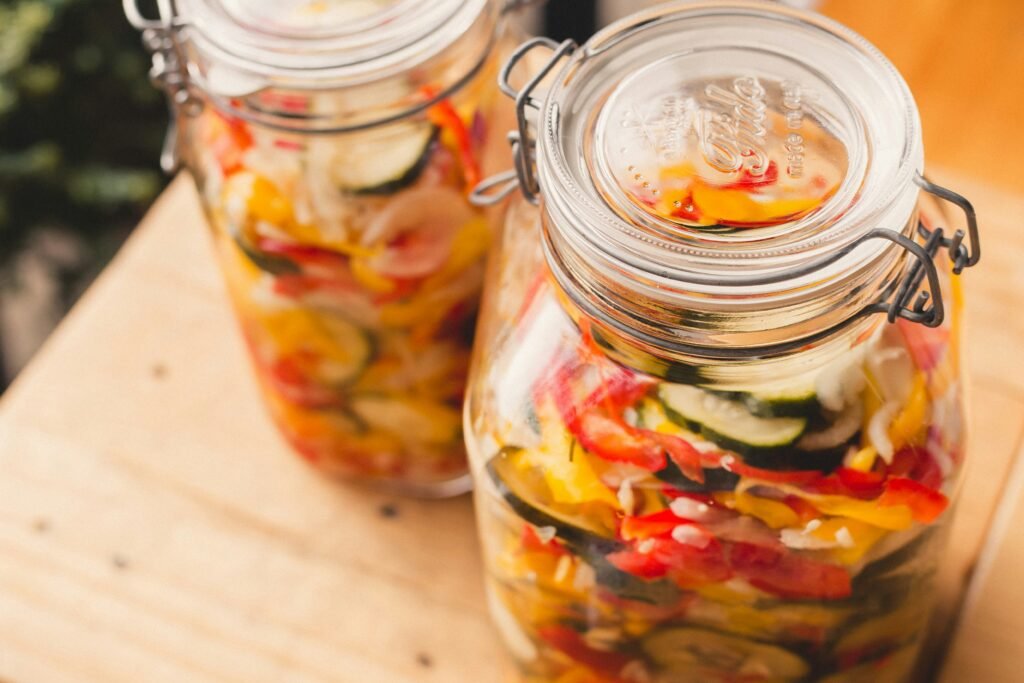
In its most basic form, sauerkraut only needs cabbage, salt and a container. But adding some extra colours and flavours to the mix is also fun!
Here’s what you’ll need:
- 1 medium-to-large head of red or green cabbage
- 1-2 tablespoons sea salt
- 1-2 large glass jars (2- to 4-litres, wide mouth if possible)
Optional extra vegetables and flavours:
- 1 small-to-medium beet
- 2-3 carrots
- 2-3 tablespoons freshly grated ginger
- 2-4 cloves of garlic, minced
- 1 tablespoon caraway seeds
First, sterilize your jars by pouring boiling water over the jars and lids. Let them dry completely and cool to room temperature before adding any ingredients.
Peel off the outermost layers of the cabbage, rinse well and set aside (keeping them whole). Next, finely chop or shred your cabbage, beets and carrots (if using). You can do this by hand, with a mandolin or in a food processor with a shredding attachment. Add all the shredded veggies to a large bowl and sprinkle with the salt (if you’ve added extra vegetables, add closer to 2 tablespoons of salt; if you’re sticking with just cabbage, try closer to 1 tablespoon).
Massage the salt into the vegetables until they start to release water and wilt. This can take up to 10 minutes, so be patient! Then add your other flavours, like ginger, garlic and caraway seeds, and massage again until well combined.
Transfer the cabbage into your glass jars and pack down with your hands, leaving at least 4 cm of space at the top of the jar. Pour any water that was released while massaging into the jars. Add extra water if you don’t have enough liquid to cover the vegetables completely.
Place the outer cabbage leaves on top of the vegetables and weigh everything down to stay fully submerged in liquid. Depending on the width of your jar opening, you could use a small plate, another jar filled with water or a fermentation weight.
Cover the jar with a cloth or tea towel, secured with an elastic band. Place it somewhere out of direct sunlight and let the fermentation magic happen! Depending on how warm your kitchen is, fermentation can take anywhere from a few days to a few weeks. After 4-5 days, start tasting the sauerkraut until you’re happy with the flavour. Once you like what you’ve created, seal the jar and refrigerate it to slow the fermentation process.
Bubbles are completely normal during the fermentation process, as is a bit of foam at the top. A white scum on the surface is also normal – you can skim this off as it appears.
Takeaway
Sauerkraut is an easy, DIY way to add more probiotics to your diet. Enjoy it as a garnish on meals, as part of salads or on an omelette. Incorporating fermented foods regularly into your diet can help increase the diversity of your microbiome, which can benefit your overall health.