How much food do you waste without even realizing it? Unfortunately, probably a lot more than you think. Some estimates indicate that we waste 30-40% of the food supply in the US each year. You can take many steps to reduce your food waste, one of them being how you deal with your food scraps. Utilizing your food scraps in creative ways saves you money and decreases your environmental footprint.
1. Compost
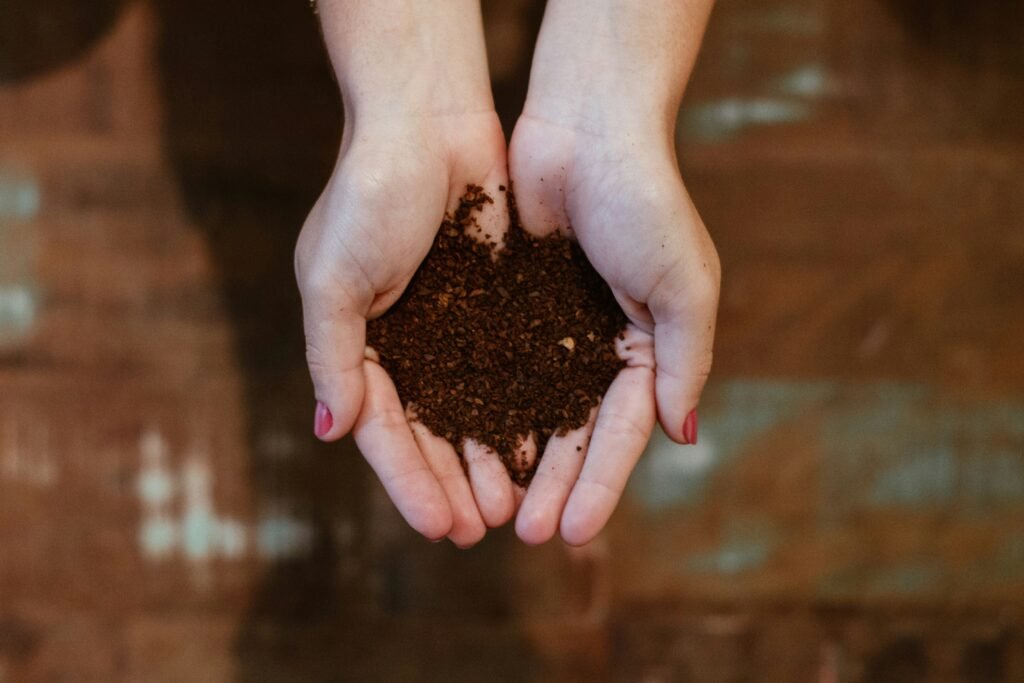
Composting uses your food scraps to create a nutrient-rich byproduct that you can use for any plants you have around the house or in the garden. Many people think of composting as something you’d only do if you have a big garden, but it’s an easy process that you can do even if you live in an apartment and just want to keep your houseplants happy. There’s another common misconception that compost stinks; however, it has only a mildly earthy smell when done correctly.
If you have a yard, you can create a compost bin to collect your food scraps; if not, you can use a kitchen composting set-up (some ideas include a worm composting bin or a bokashi composting method). Add fruit and vegetable trimmings, eggshells, coffee grounds, tea leaves, shredded paper and cardboard, and watch the magic happen.
2. Vegetable Stock
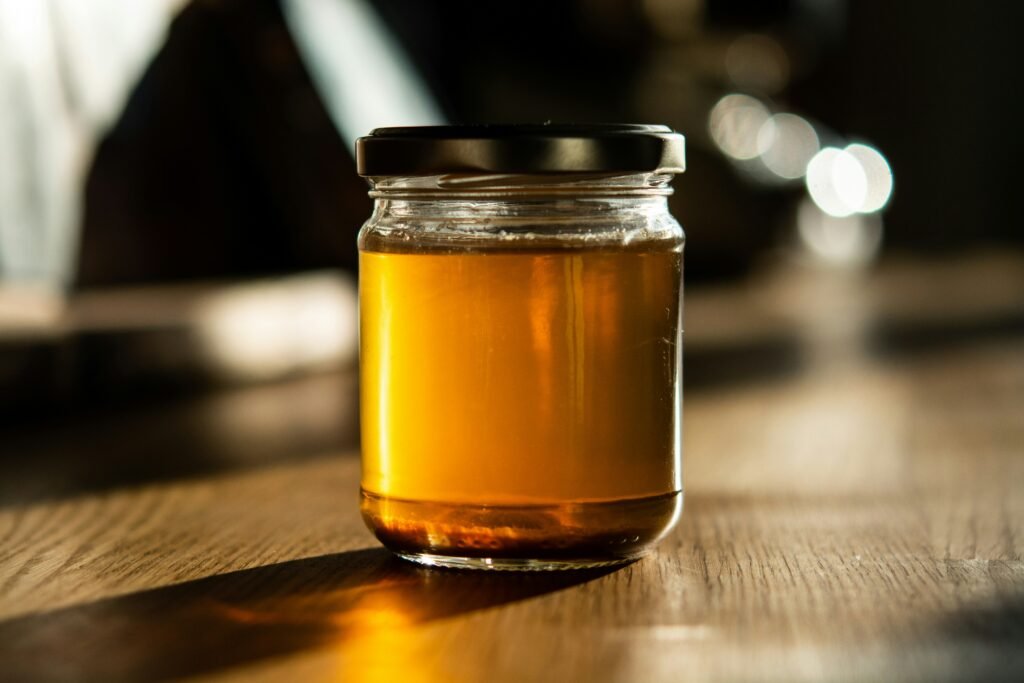
Leftover vegetable peels are perfect for making into a flavourful vegetable stock. Collect your vegetable peels in a bag or container in the freezer until you have enough to make stock, then get simmering! Start with a base of sauteed onions, garlic and spices, then add your peels and simmer for a few hours. Homemade vegetable stock can be stored in the fridge for 3-4 days or frozen for later use.
3. Re-Grow New Veggies From Stalks
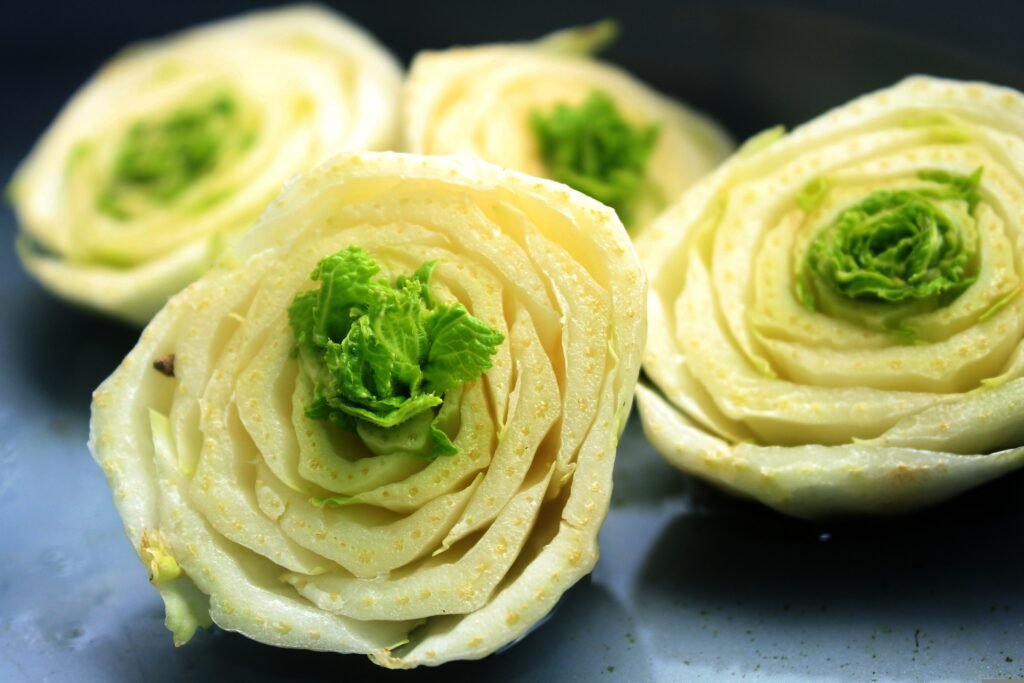
Some vegetables will keep producing new growth for you from their stalks. All you have to do is place the stalks in water, keep them on a sunny windowsill and wait until you get more vegetables to harvest. The best options for re-growing veggies are celery, green onions, leeks, cabbage, lettuce and bok choy.
Cut off about an inch of the plant’s base (the part you normally wouldn’t eat). Place the piece cut side up in a small bowl and fill with water, covering about half of the piece. Place on a sunny windowsill, change the water every 2-3 days and watch new growth appear.
4. Save The Stems From Leafy Greens
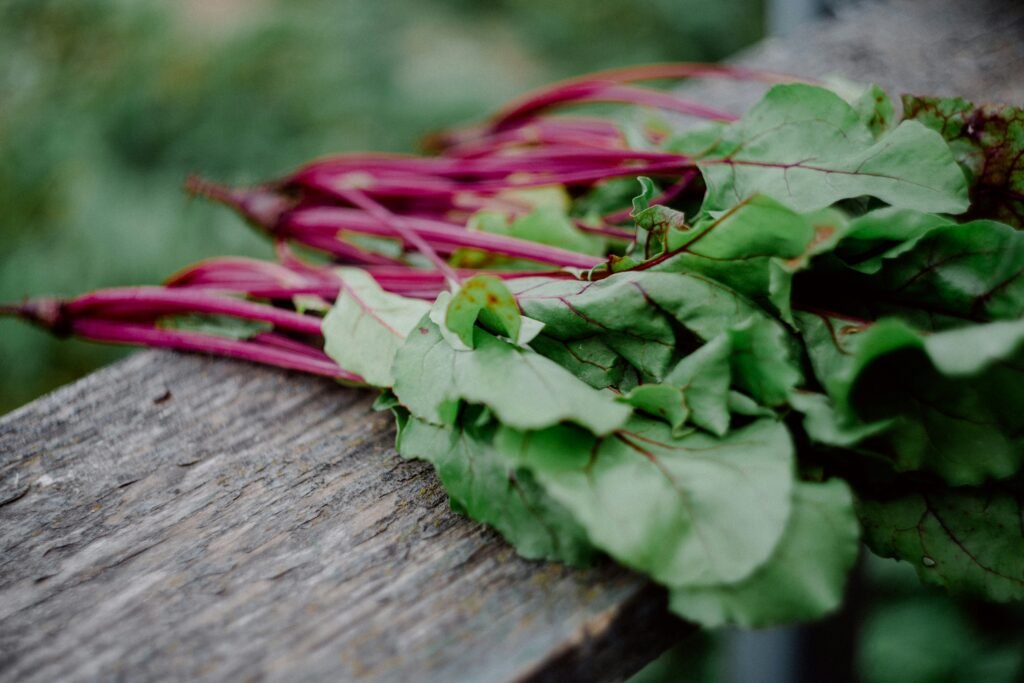
We often cut off and discard the stems of leafy greens because they tend to be more fibrous and difficult to eat. However, finely chopping them can turn them into a delicious and nutritious side dish. Saute chopped stems with onion, garlic and your favourite combinations of spices.
5. Don’t Bin Your Sad Veggies
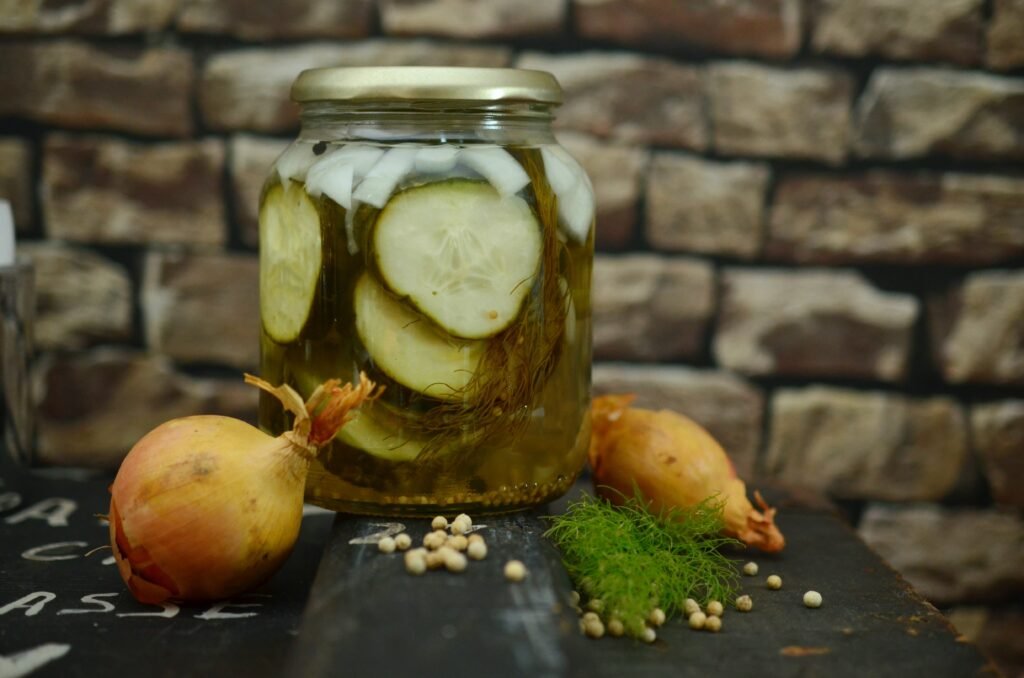
Finding sad veggies in the back of your crisper happens to all of us. While they might not look appetizing for a fresh, crunchy salad, there are many options to avoid throwing them away.
One of the easiest options is to pickle them. Pickling might seem daunting, but making refrigerator pickles is as simple as submerging them in a brine (salted water) and vinegar solution for around 24 hours. Carrots, watermelon rinds (yes, watermelon rinds!), asparagus, cucumbers and radishes make for excellent pickle options, but you can play around with pickling almost anything! Experiment with adding additional flavours, like garlic, dill, peppercorns, mustard seed and hot peppers.
If you have an empty jar of storebought pickles, you’ve already got your pickling liquid ready to go! Simply throw your veggies into the jar and restart the pickling process.
6. Save Citrus Peels For A Household Cleaner
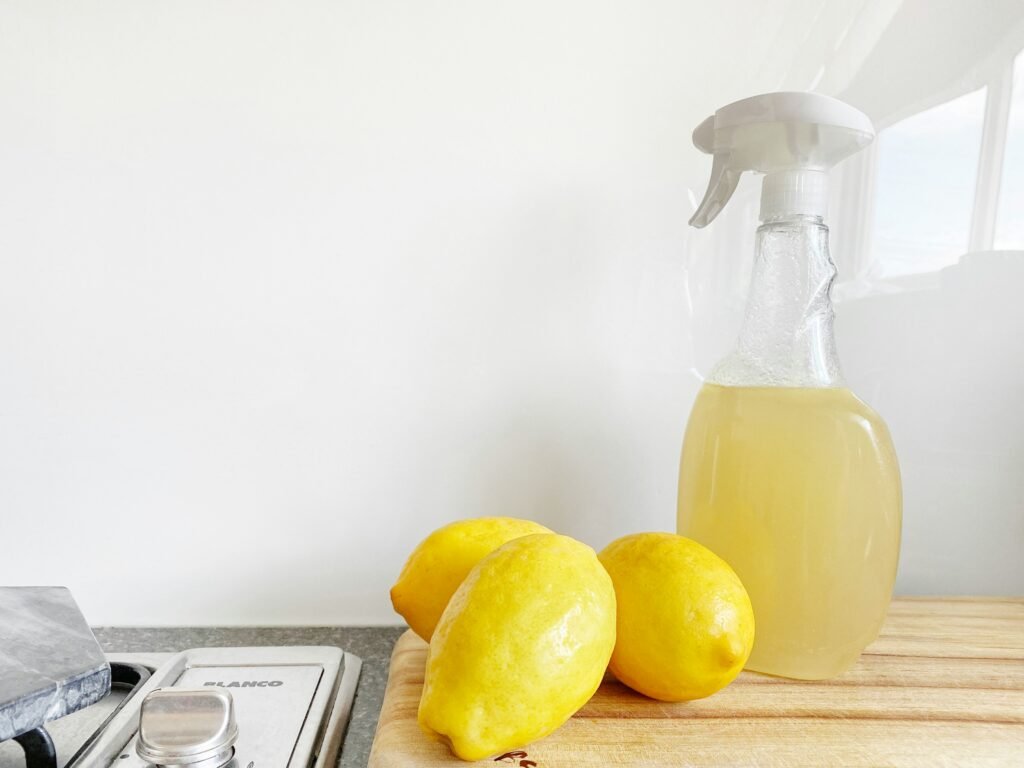
With this one, you not only reduce food waste but also make another useful product that’s better for your health and the environment and saves on plastic packaging. Collect a bowl full of citrus peels (lemons, oranges and grapefruits all work great!), cover with white vinegar and let sit for around 2-4 weeks. Transfer the mixture to spray bottles, filling them halfway. Top up with water, and your all-natural cleaner is ready to use!
7. Use The Leafy Tops Of Your Veggies
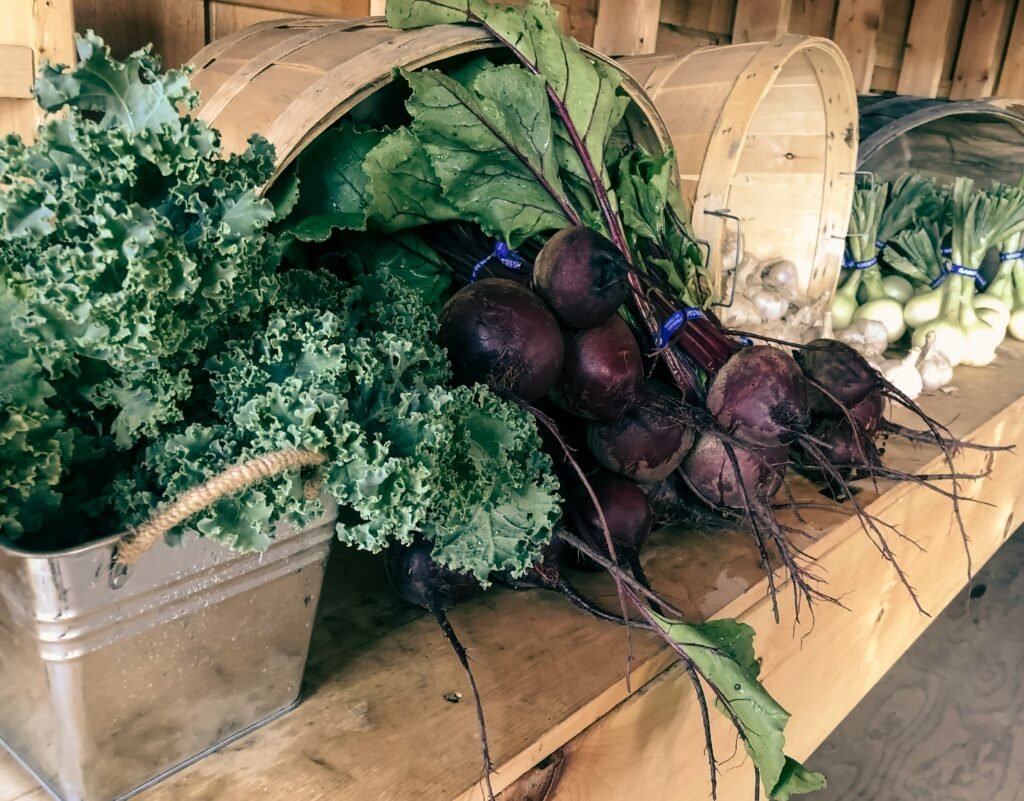
Many vegetables, such as beets, carrots, celery and turnips, have leafy tops that usually get discarded. But these greens are packed full of nutrients and flavour and can be used anywhere you would normally use collards or kale. Instead of throwing them away, saute the greens with onions, garlic and spices, or try something new, like carrot top pesto.
8. Freeze Extra Herbs Before They Go Bad
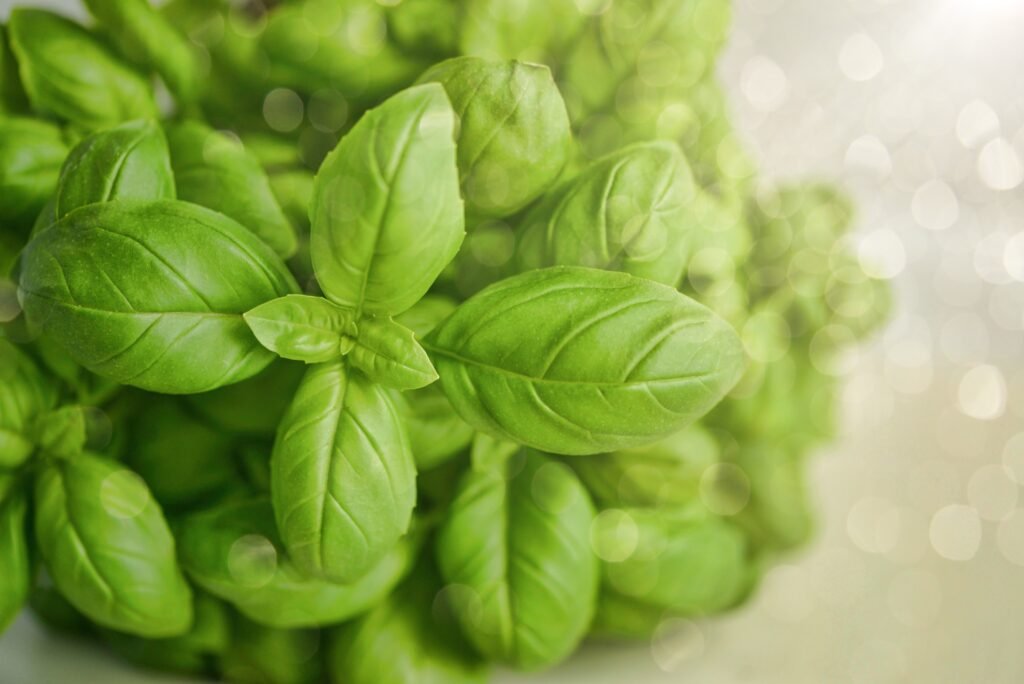
Fresh herbs are great to have on hand, but how often do you find a sad, mushy bundle in the back of your crisper? Prevent this by freezing extra fresh herbs to use later.
When you use frozen herbs in your cooking, they won’t have the same texture as fresh herbs, but the flavour addition is just as good! Some herbs that are good for freezing include mint, basil, chives, oregano and tarragon.
Wash and dry your herbs and remove any thick stems. Finely chop or pulse large bunches of herbs in a food processor to save time. Divide the fresh herbs into ice cube trays and then pour olive oil or water overtop to cover (pack the herbs tightly, so you don’t need to add much liquid). Once the cubes are frozen, you can transfer them to a freezer bag for long-term storage.
When you want to use your herbs, simply remove them from the freezer, place them in a small bowl and allow the liquid to melt. Drain off any excess liquid, and they’re ready to use!
9. Make Infusions With Your Scraps
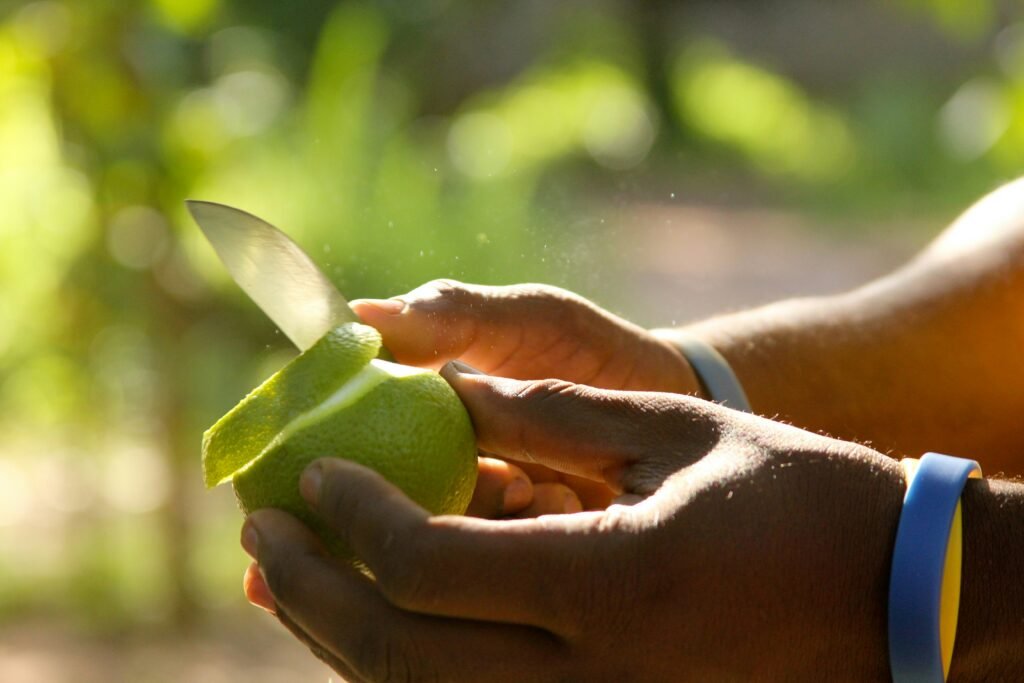
Fruit scraps, especially from citrus fruits, are fantastic for infusing into extra-virgin olive oil, vinegar or water. Infusions are a simple yet delicious way to enhance flavour. Try the following ideas:
- Infused water: Place citrus peels in a pitcher and cover with water. Refrigerate overnight for the best flavour. You can also add herbs like fresh mint or basil for additional flavour.
- Infused olive oil or vinegar: Fill a glass jar half full with citrus peels. Cover with olive oil or vinegar and place in a cool, dark place for approximately one month.
Takeaway
You can repurpose food scraps in lots of fun and creative ways – there’s really no need for any of your scraps to go in the bin (especially if you start a compost!). Save money, help reduce food waste and give yourself more chances to reap the health benefits of consuming more fruits and vegetables.