If weight loss is one of your health goals, you’re in it for the long run. The hard truth is that there are no magical tricks; there’s just consistency over time. Making small changes to your daily routines and sticking with them can go a long way to cultivating long-term, sustainable weight loss. Whether you’re just starting your weight loss journey or you’ve been at it for a while, learning or being reminded of these simple tips can help you achieve your goals.
Understand Your Snacking Behaviours
You don’t need to give up snacking if you’re trying to lose weight, but you do need to understand why you’re snacking. There’s a big difference between snacking because you’re hungry and snacking because you’re bored.
Check in with yourself when you’re considering having a snack – are you feeling hungry? If yes, then by all means, have (and enjoy!) your snack. But if boredom is driving your desire to eat, consider another activity such as getting outside, calling a friend or family member or doing something else you enjoy.
Choose Your Snacks Carefully
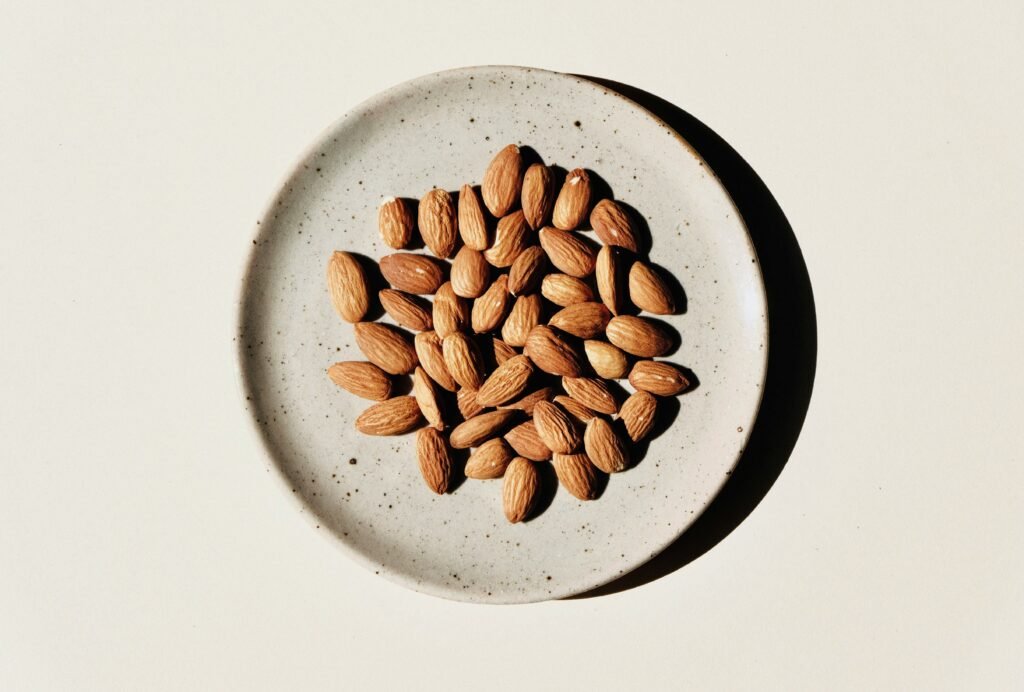
All snacks aren’t created equally, and convenience-type snacks often add lots of extra calories without much nutrition. Whether you’re a savoury or sweet snacker, there are healthy swaps to help keep you on track with your weight loss goals.
Try incorporating some of these options into your snack rotation:
- Air-popped popcorn
- Vegetable sticks with guacamole or hummus
- Olives
- Roasted nuts
- Grapefruit
- Grapes (try them frozen for an extra-satisfying sweet snack)
- Apple slices with nut butter
While choosing whole foods for your snacks is the best option whenever possible, there will likely still be times when you eat packaged snack foods. Don’t stress when this happens, but avoid eating straight from the bag or the box. It’s very tough to regulate how much you eat when you’re constantly dipping your hand in and out, and you’re almost guaranteed to overeat.
Check Your Coffee
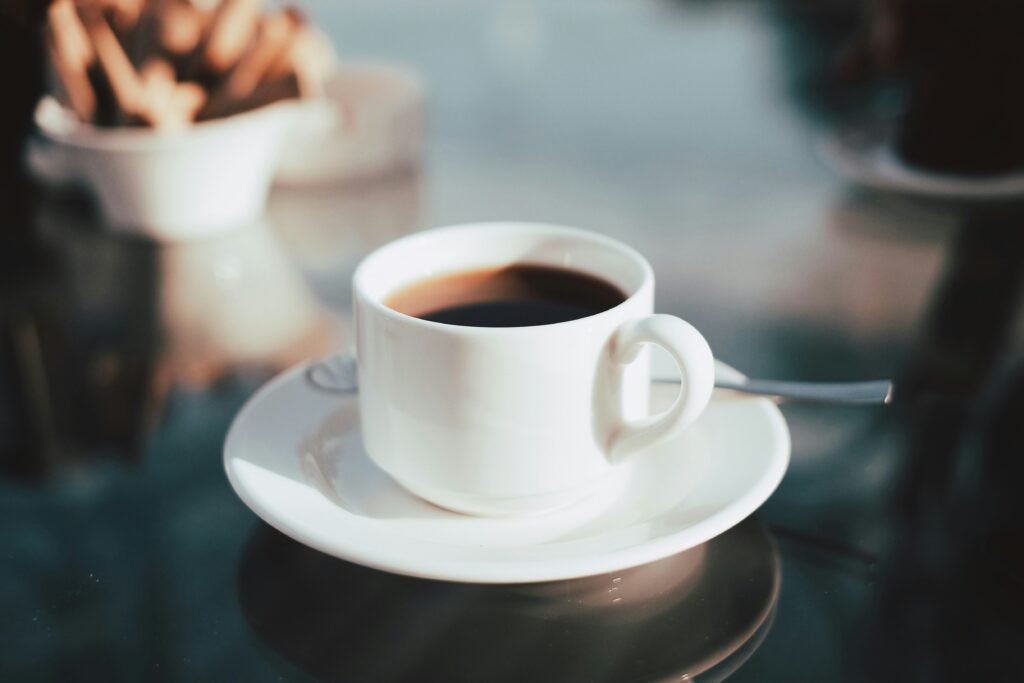
No, we’re not going to tell you to stop drinking coffee. But, how do you take your coffee? Do you have a large latte every morning? Do you drink filter coffee with creamers and sugar? Either way, your coffee intake could be significantly contributing to your daily calories.
Try black coffee with a splash of milk (if your black coffee tastes horrible, it might be time to invest in better quality coffee). If you absolutely love a latte, cappuccino or coffee with cream and sugar, make it a once or twice weekly drink instead of a daily one.
Unplug Before Your Meals

Scrolling social media, watching TV, sitting in front of your computer… we all do it, but could we do it less? Studies show that distractions during mealtimes increase your intake at that meal and at subsequent meals. Start by choosing just one meal per day and make it distraction-free. If you’re usually on the go or working over lunchtime, maybe start with your breakfast meal, and go from there.
Pay Attention
Removing distractions at mealtimes allows you to actually enjoy your food and pay attention to what you eat. You’ll likely find that it will be much easier to notice when you get full, which will help prevent you from overeating. Being mindful when you eat allows you to regulate your intake, learn how to listen to your hunger and fullness cues, and avoid those feelings of being over-stuffed.
Up Your Protein Intake
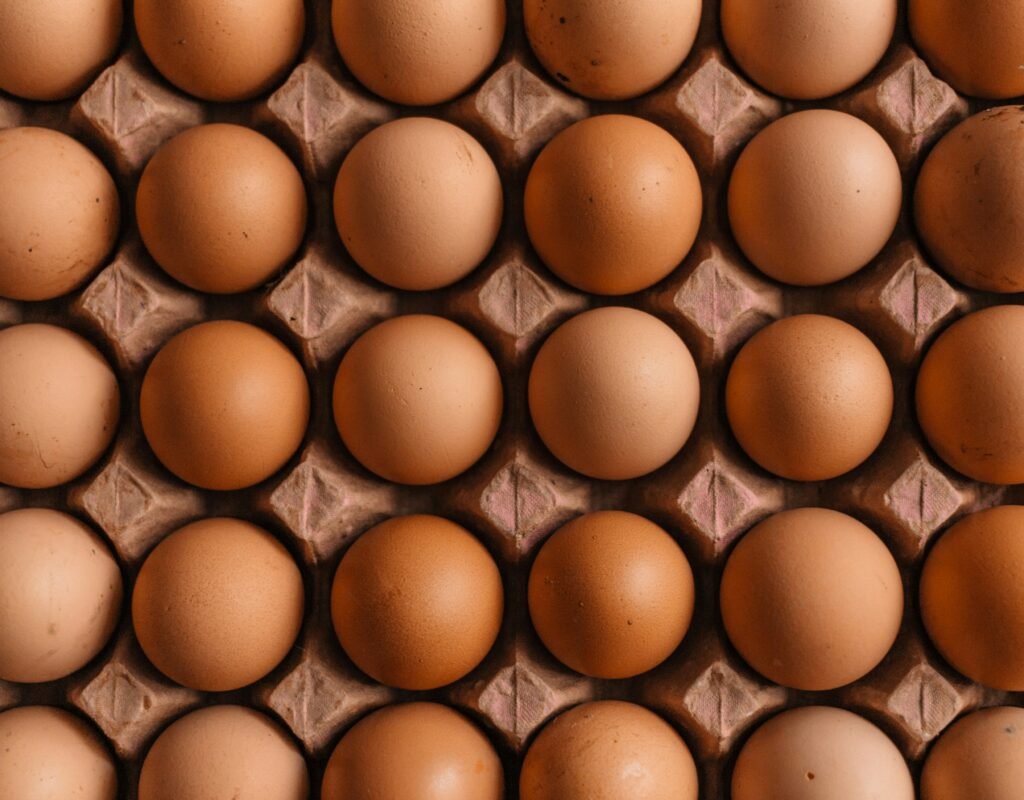
Protein is crucial for weight loss. You may have heard this before, but science backs this up. Protein is important for feelings of fullness and satiety, but it’s also critical to preserve your muscle mass.
If you’re reducing your calories for weight loss, studies show that maintaining adequate protein intake preserves muscle mass better than a lower protein intake. One randomized trial showed that a diet with 35% protein led to significantly better maintenance of lean body mass than a diet with 15% protein.
Practically, this looks like ensuring you have a high-protein food at every meal (including breakfast!).
Pass Up Soda (Even Diet!)

If you’re a regular or semi-regular soda drinker, it’s time to find an alternative. Unfortunately, diet soda isn’t the solution. Regular soda is laden with added sugars, quickly contributing extra calories and other unwanted health consequences.
On the other hand, diet soda contains artificial sweeteners. The research isn’t as clear yet on the health effects of artificial sweeteners, but animal models suggest they may not be a great alternative because they may have detrimental effects on the gut microbiome.
Find refreshing alternatives to soda, such as sparkling water with citrus and herbs, kombucha or coconut water.
Exercise, Without Trying to Exercise

Having an exercise routine you enjoy that includes cardio and resistance training is crucial for long-term weight loss. But, you might be surprised how many more opportunities there are to move during your day, in addition to your planned physical activity.
How often do you hop in the elevator instead of using the stairs? Even a couple flights of stairs a few times each day adds up in a meaningful way. You can also park at the back of the grocery store parking lot and carry your groceries instead of taking a cart. Take stretching or movement breaks when you’re at work, stay standing during your breaks, or incorporate a quick walk into your lunch hour.
Takeaway
Sustainable weight loss takes long-term effort, but if you don’t know where to start or you feel overwhelmed, these small but meaningful changes are for you. All of these changes add up, build confidence and will make other lifestyle changes you’re trying to implement seem more manageable.