Skipping meals is a common practice, whether it’s on purpose to decrease your overall caloric intake or because you just don’t seem to have enough time to eat. Either way, it’s a practice that usually backfires. Your body is smart, so it takes it upon itself to make physiological changes when it doesn’t get the necessary nutrient supply. Read on to learn why meal skipping isn’t the greatest idea to support your weight loss or any other health-related goals.
Your Blood Sugar Levels Drop

Your body needs an ongoing supply of glucose as fuel for your brain (glucose also fuels your daily activities, but your brain exclusively uses glucose, so it’s key here). Glucose comes from multiple pathways, the major one being food, which is why we usually eat regularly throughout our waking hours.
Another way your body receives glucose is by breaking down glycogen, the storage form of glucose. A hormone called glucagon triggers this process when it senses glucose levels are dropping too low. But glycogen stores only get you so far because they run out within 4 to 6 hours (or possibly sooner because this timeframe likely varies from person to person).
If you’ve ever felt the feeling that many refer to as “hangry” (irritable, confused, exhausted…), this is low blood sugar at work. As it turns out, the phenomenon of being “hangry” has even made it into the scientific literature. In a 2022 study, researchers found that higher levels of self-reported hunger were associated with increased anger and irritability and decreased pleasure. It’s unpleasant, but the good news is that you can quickly fix it with a meal or snack.
Your Cortisol Levels Go Up
Cortisol regulation closely links with blood sugar regulation: cortisol levels increase when blood sugar levels get too low (or too high!). Cortisol is also involved in some of those hangry feelings we discussed before.
When blood sugar is low, cortisol is another hormone that signals the body to make more glucose. Cortisol triggers gluconeogenesis, a process that produces glucose from non-carbohydrate sources, like amino acids, glycerol and lactate. Your brain will get the glucose it craves, but you’ll spike your cortisol levels to make that happen.
In one study, regular breakfast skippers had higher cortisol levels than those who consumed breakfast. Chronically elevated cortisol levels are associated with several undesirable health outcomes.
Your Mental Health Can Take A Hit
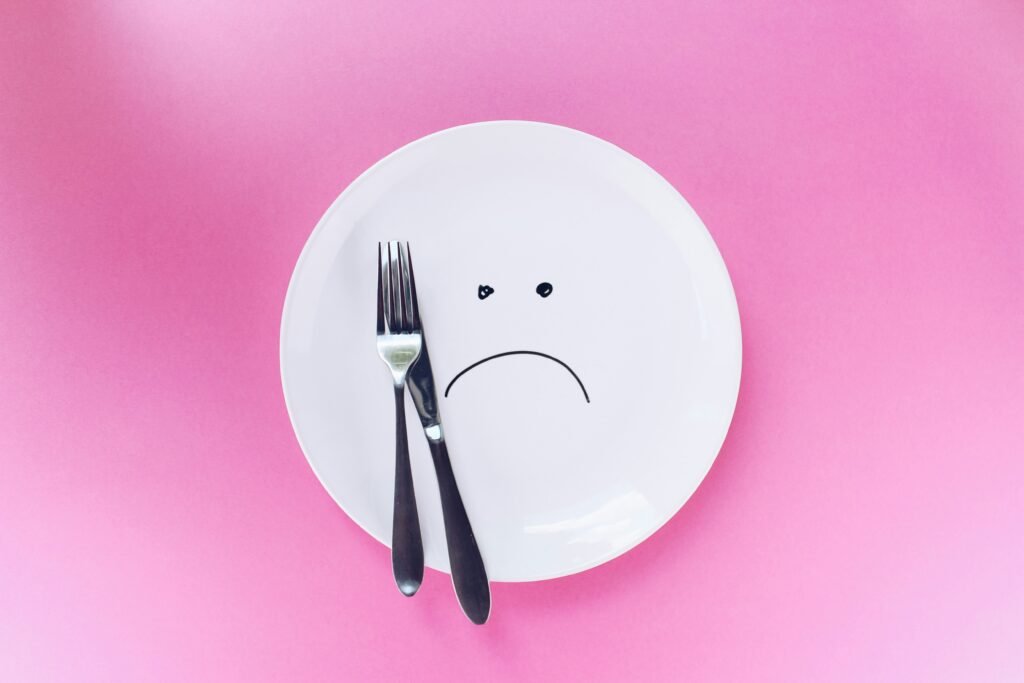
Low blood sugar and increased cortisol are a one-two punch for your mental health. Together, they lead to increased anxiety, moodiness and irritability. One study of adolescents found that those who ate a healthy breakfast had lower levels of stress and depression than those who skipped breakfast.
The cortisol and blood sugar cascade may also affect your cognition. One randomized trial showed that women who ate lunch had superior memory performance compared to those who skipped lunch.
You Throw Off Your Hunger Hormones
When you eat intuitively, you pay attention to your hunger and fullness cues, meaning that you eat when you are hungry and stop eating when you are full. However, if you constantly ignore your hunger cues by skipping meals, you throw your hunger hormones out of whack. When you feel hungry, the only way to decrease the feeling of hunger is to eat (that may be unfortunate to hear, but it’s true!).
When you regularly skip meals, your body produces more ghrelin (the hunger hormone). Remember: your body is smart and wants you to eat to fuel your brain. So, it sets off a physiological process to increase your hunger even more. At the same time, your body produces less leptin, the hormone that decreases appetite and tells you you’re full. It’s now harder to gauge when you are full, making it easier to overeat. You can see the vicious cycle fairly clearly here.
Your Cravings Actually Increase

Your food choices when you’re ravenous are usually not the healthiest options. One study looked at workplace meal choices of employees based on whether or not they skipped meals. They found that meal choices among those who skipped meals were less healthy, and overall diet quality was lower.
As it turns out, there may be a physiological explanation for this: since you’ve deprived your brain of glucose, your body is looking for an easy energy source. This would explain why you tend to reach for carbs or sweets when you’re at your hungriest, in an attempt to satisfy your brain’s demand for glucose.
The problem is that consuming carbs on their own will throw off your already frazzled blood sugar control even more. You’ll typically experience a blood sugar spike, followed by a crash, and you’ll be right back where you started.
You Confuse Your Digestion
The stress response your body undergoes when you skip meals can also affect your digestion. Your digestive system is susceptible to stress because of a well-established gut-brain connection.
Your digestive system also thrives on regularity, so skipping meals can cause confusion, leading to unwanted symptoms like bloating, nausea and constipation. This explains why you may have experienced a bloated belly and a tummy ache after eating when incredibly hungry. Eating a large amount of food after skipping meals catches your digestive system off guard, putting too much stress on digestion too quickly.
Chronic Meal Skipping May Have Serious Consequences

You’ve just learned six pretty serious things that can happen in your body when you regularly skip meals. Each effect on its own may not lead to lasting health effects over time, but the compounding nature of several of these effects may be significant in chronic meal skippers.
A fascinating study from 2022 of over 24,000 adults looked at the associations between meal skipping and all-cause and cardiovascular disease (CVD) mortality (meaning the risk of dying from any cause and the risk of dying from CVD). Researchers showed that consuming only one meal per day was associated with a 1.3 times higher risk of all-cause mortality and a 1.8 times higher risk of CVD mortality compared to people who ate three meals per day.
When researchers looked at skipping single meals, the detrimental effects remained: skipping breakfast increased the risk of CVD mortality by 1.4 times and skipping lunch or dinner increased the risk of all-cause mortality by 1.1 times.
This isn’t to say there’s a clear association here. But, the findings are interesting that energy supply could affect lifespan, possibly through the physiological changes discussed in this article.
How To Avoid Skipping Meals
The best strategy to avoid skipping meals is preparation. Meal skipping usually happens on hectic days when there seems to be no time to eat. Here are some tips to help keep your food intake regular, even on your busiest days:
- Always keep healthy snacks on hand. Whether they’re in your office, studio or kitchen cupboard, it’s crucial to have access to a healthy snack when you need it most.
- Choose snacks with fiber and protein, such as vegetable sticks with hummus or apple slices with peanut butter. These keep you full for longer than carbs alone, and help prevent the blood sugar rollercoaster.
- Dedicate a meal prep day and prepare some of your main meals for the week, or cook extras at dinner, so you’ve got a packed lunch ready to go the next day.
- Protect your lunchtime at work. Many people easily fall into the habit of working through their lunch break, but the truth is that you’ll probably get more done in the afternoon after a break and a meal.
- If you often find you blink and it’s 3 pm, set an alarm for lunchtime to remind yourself to have a meal.
Takeaway
Skipping meals is sometimes unavoidable, but it’s not something you want to make into a habit. Understanding the physiology behind why your body thrives on consistency can help you use regular, nutrient-dense meals to meet your weight loss and health goals.