Winter comes with shorter days and cooler weather, but what better reason to cozy up with a blanket, a book and a cup of tea? Warm beverages always help warm you up from the inside out, but it turns out that what’s in your drink can have additional health benefits.
What Are Warming Herbs and Spices?
Herbs have specific properties that can make them warming, cooling or more neutral. Spearmint, for example, is a classic example of a cooling herb.
Warming herbs increase your circulation, or blood flow, in some way. Many warming herbs also have immune-enhancing effects (which fit well with the season!) and may help to stimulate digestion. Warming herbs are used throughout Traditional Chinese Medicine and Ayurveda.
Warming Herbs and Spices to Try This Winter
Cinnamon
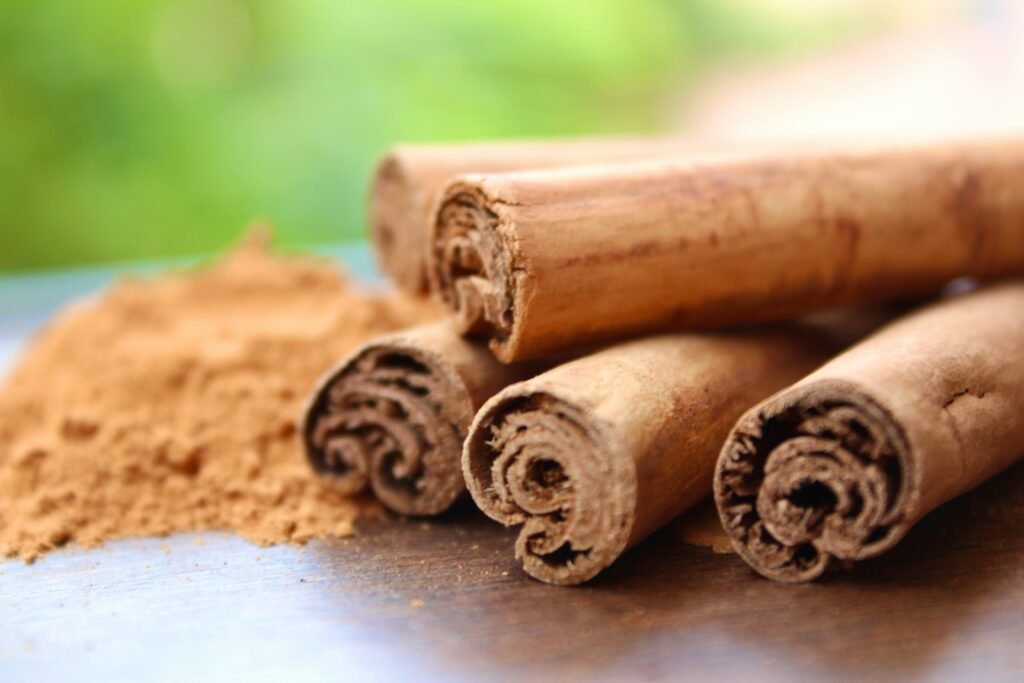
Cinnamon is loaded with bioactive compounds that have antibacterial, anti-inflammatory, and antioxidant effects. It’s also been investigated for its impact on blood sugar control. Some bioactive compounds in cinnamon are thought to act as insulin sensitizers, making insulin work more effectively when it reaches your cells. Some studies even suggest that cinnamon is neuroprotective (AKA brain-protecting) because it interferes with oxidative stress and pro-inflammatory pathways.
Black Pepper
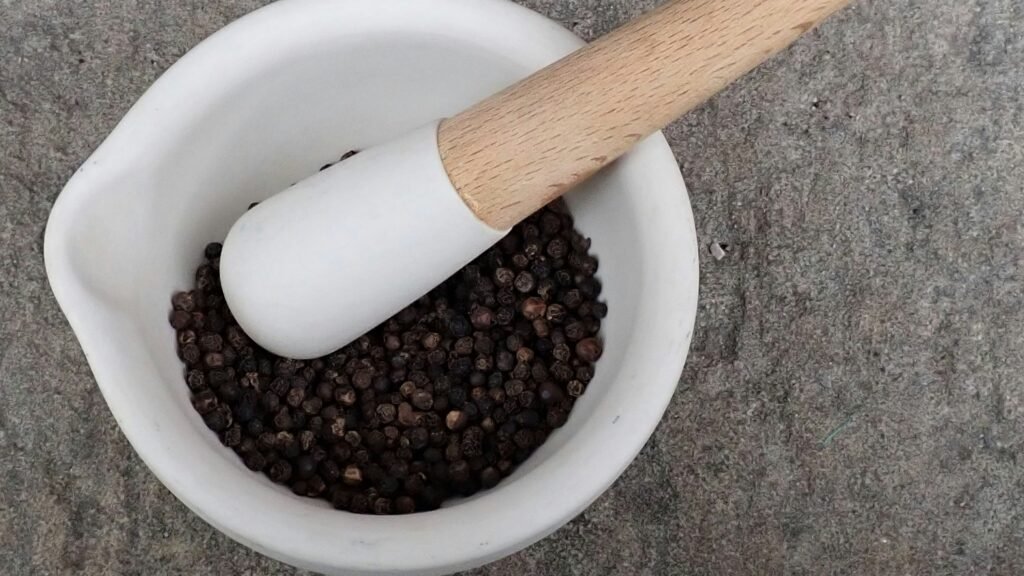
You’re probably no stranger to adding black pepper to your food, but it also makes an excellent tea. The main active compound in black pepper is called piperine. Piperine is a powerful antioxidant with high anti-inflammatory activity.
Researchers hypothesize that piperine works by inhibiting the actions of two enzymes involved in the pathways that cause inflammation, pain and fever. It may also help digestion by enhancing the activity of digestive enzymes, increasing gastric acid and bile secretion and decreasing food transit time. Plus, it increases the bioavailability of other nutrients (like curcumin, which is why black pepper and turmeric make a great pair!).
Ginger
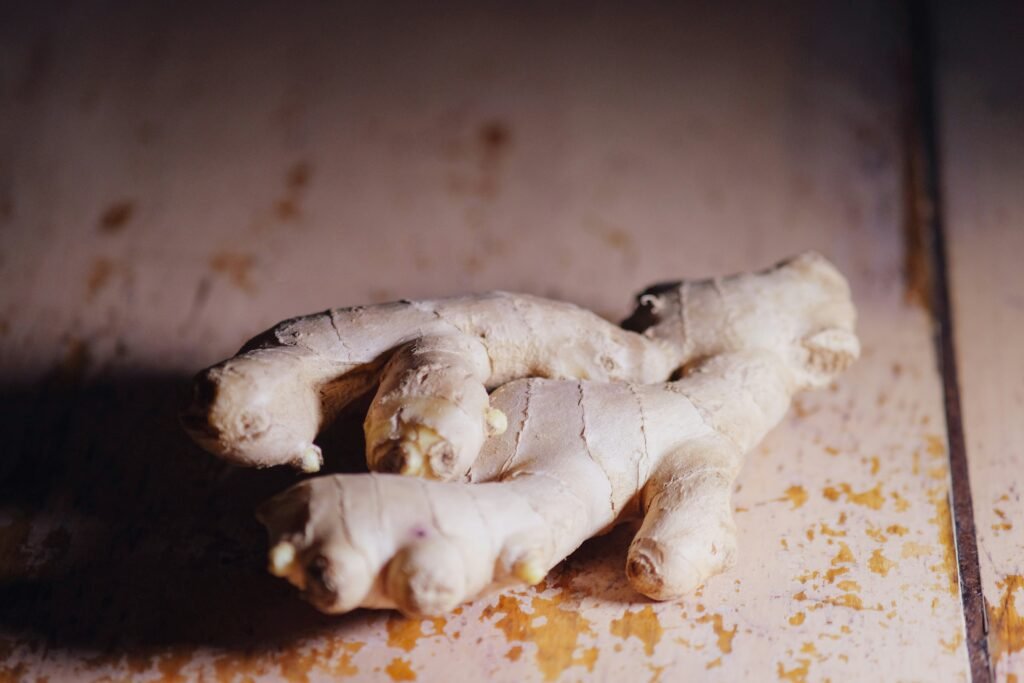
Ginger contains numerous bioactive compounds, such as a type of polyphenol called gingerols. It is known for its anti-nausea, antioxidant and anti-inflammatory properties, and also likely benefits cardiovascular health and joint and muscle health and function. The pathways that ginger works aren’t completely clear, but it may influence gene expression in a way that impacts inflammation.
Turmeric
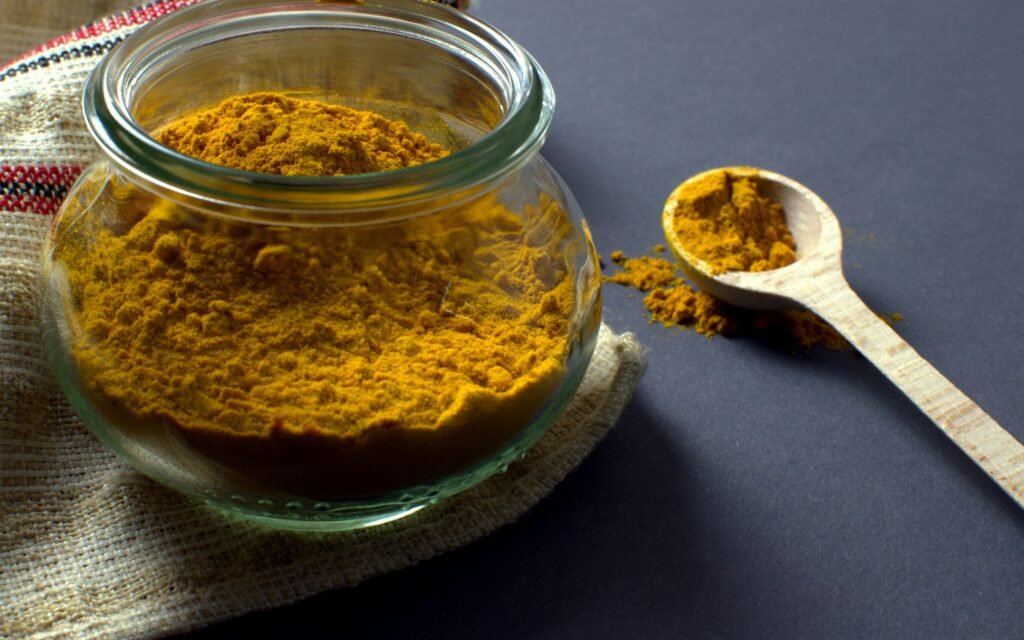
The major bioactive compounds in turmeric are curcumin and other curcuminoids, making it a well-known anti-inflammatory and antioxidant food. Turmeric may also impact cardiovascular health, gastrointestinal function, blood sugar control and joint and muscle health. It likely exerts some of its health benefits by inhibiting enzymes involved in inflammatory pathways.
Cloves
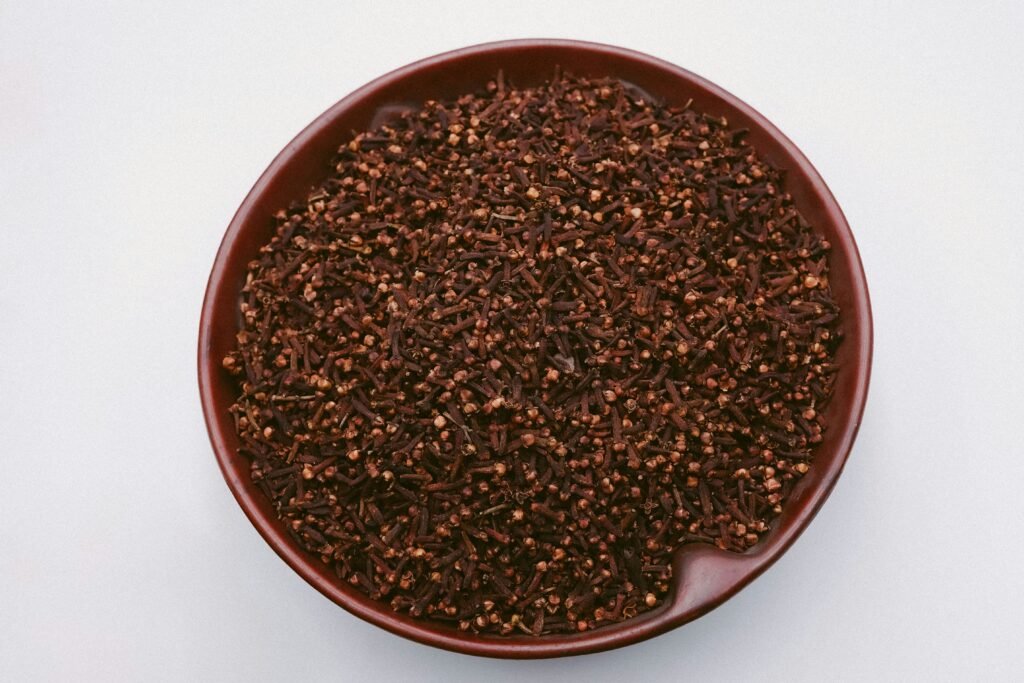
The main bioactive compound in cloves is called eugenol. Traditionally, cloves have been used to treat digestive disorders, dental pain, coughing and muscle spasms. They also have anti-inflammatory and antioxidant properties.
Warming Tea Blend Recipe
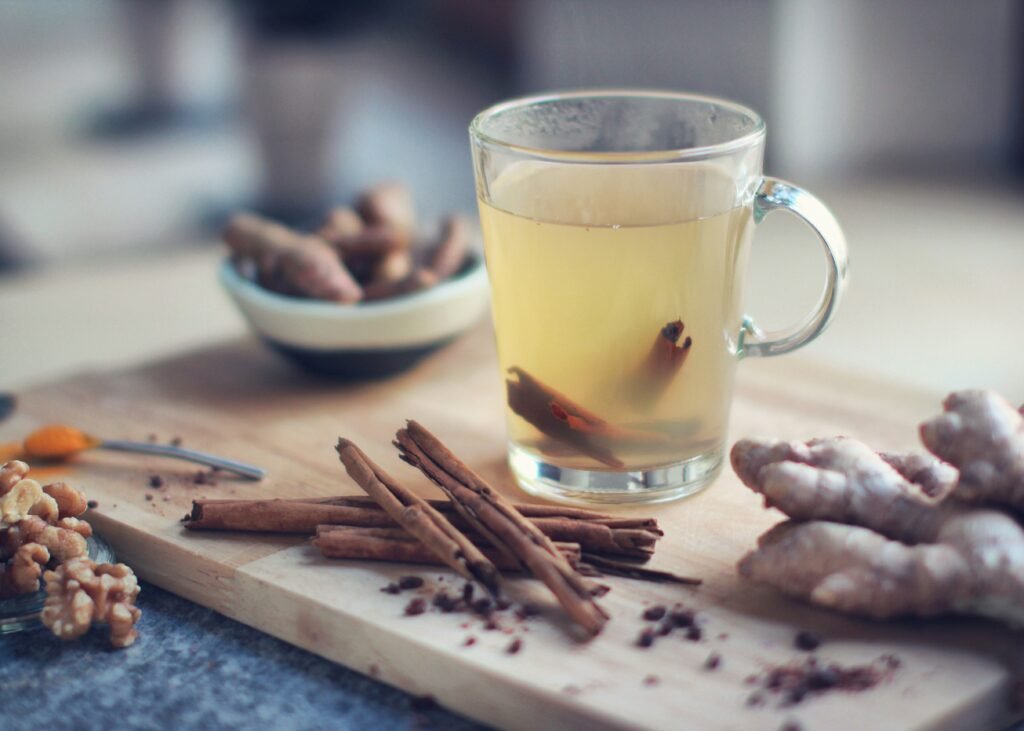
Here is a warming herbal tea blend you can mix up and store in your pantry, ready for a cool winter evening.
- 2 tablespoons cinnamon pieces
- 2 tablespoons ginger (powdered or grated, dried ginger)
- 2 teaspoons turmeric (powdered or grated, dried turmeric)
- 2 teaspoons whole cloves
- 2 teaspoons whole peppercorns
- 1 teaspoon dried orange peel
To brew, add approximately one tablespoon of herbal tea blend per cup of tea. Brew for 3-5 minutes, then strain and enjoy.
Takeaway
A regular herbal drink in the cooler months can boost your immune system, keep your inflammation in check, and simply make you feel warm and cozy from the inside out. Try out different blends to find what you like the most, and create a winter routine around your warm cup of tea.